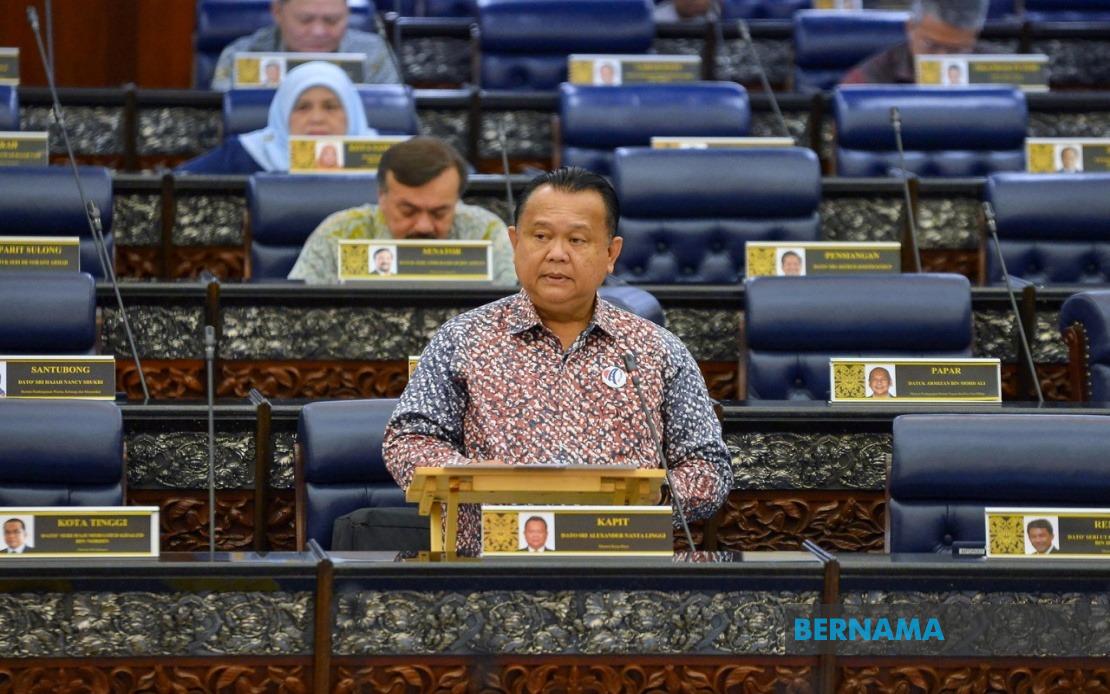
Malaysia's Smart Lane traffic management system has proven far more effective than initially expected, delivering congestion reductions of between 30 and 50 per cent across multiple sections of the North-South Expressway since its introduction in 2023. Works Minister Datuk Seri Alexander Nanta Linggi disclosed these findings during parliamentary questions this week, highlighting how the scheme has alleviated bottlenecks during traditionally problematic periods including peak commuting hours and festive travel seasons.
The initiative represents a significant step forward in Malaysia's efforts to modernise expressway operations and maximise existing infrastructure capacity without major capital expenditure on road expansion. By allowing dynamic lane designation and real-time traffic flow adjustments, the Smart Lane approach enables highways to respond to changing demand patterns throughout the day. Data compiled by the Malaysian Highway Authority (LLM) from implementation through to the present day indicates the system's operational efficiency extends beyond simple traffic volume management.
Safety considerations have been paramount in the system's design and ongoing refinement, particularly regarding motorcycle riders who share lanes with larger vehicles. Between January and May of this year alone, only 36 accident incidents occurred across 12 Smart Lane locations during weekdays, representing a remarkably low figure relative to overall traffic throughput. Comparative analysis demonstrates that accident rates within Smart Lane zones substantially trail those recorded on conventional highway sections, contradicting initial concerns that mandatory lane-sharing would heighten collision risks.
Riders themselves appear to exercise greater caution when utilising shared lane corridors, with motorcyclist involvement in Smart Lane accidents markedly lower than on traditional routes. This behavioural adaptation suggests that road users intuitively modify their riding patterns when navigating spaces designed for mixed-vehicle interaction, effectively self-regulating through heightened awareness. The data undermines arguments that expanding Smart Lane coverage would compromise two-wheeler safety, a concern raised during parliamentary questioning by Zakri Hassan of Kangar.
Investigation into incident causation reveals that human factors, rather than inherent system flaws, drive most Smart Lane accidents. Drivers and riders frequently breach safety protocols by improperly using emergency lanes adjacent to Smart Lane zones, executing sudden lane transitions without adequate warning, or stopping vehicles illegally within the corridors. These violations reflect user non-compliance with established guidelines rather than deficiencies in the lane management framework itself.
To strengthen oversight mechanisms, the Malaysian Highway Authority now requires concessionaires operating PLUS highways to engage independent road safety auditors for comprehensive stage 5 assessments every five years. These audits specifically evaluate Smart Lane safety performance and broader accident risk mitigation, with mandatory implementation of recommended improvements following each evaluation cycle. This systematic review process ensures continuous enhancement beyond initial rollout assessment.
Technological advancement forms another pillar supporting the Smart Lane expansion strategy. The concessionaire and LLM are progressively deploying closed-circuit television systems incorporating artificial intelligence capabilities to detect traffic density patterns in real time. These AI-enabled CCTV networks facilitate instantaneous coordination of traffic flow, enabling more responsive lane assignments based on actual road conditions rather than predetermined schedules. The integration of machine learning algorithms allows the system to anticipate congestion formation and preemptively adjust lane allocations.
For Malaysia's commuting public and commercial freight operators, Smart Lane deployment on the North-South Expressway offers tangible benefits that extend beyond mere travel time reduction. Consistent, predictable traffic flow reduces fuel consumption and vehicle wear while improving air quality through diminished idling periods. Businesses relying on time-sensitive deliveries benefit from enhanced schedule reliability, while individual travellers gain greater certainty in journey planning.
The system's success carries implications for wider Southeast Asian highway development, as regional governments increasingly seek efficiency improvements within existing infrastructure frameworks. As Thailand, Indonesia, and other regional neighbours grapple with urban congestion, Malaysia's Smart Lane data provides compelling evidence that intelligent traffic management can yield results comparable to costly expansion projects. The relatively modest investment required relative to major infrastructure construction makes this approach attractive for adoption across the region.
Looking ahead, the Smart Lane concept offers expansion potential beyond the North-South Expressway to other critical corridors including the East Coast Expressway and routes surrounding major metropolitan zones. While the current rollout demonstrates clear operational success, scaling implementation will require careful assessment of technical specifications and safety protocols tailored to each route's unique characteristics. Additional data accumulation across diverse highway environments will further refine understanding of optimal system configuration and usage patterns.

