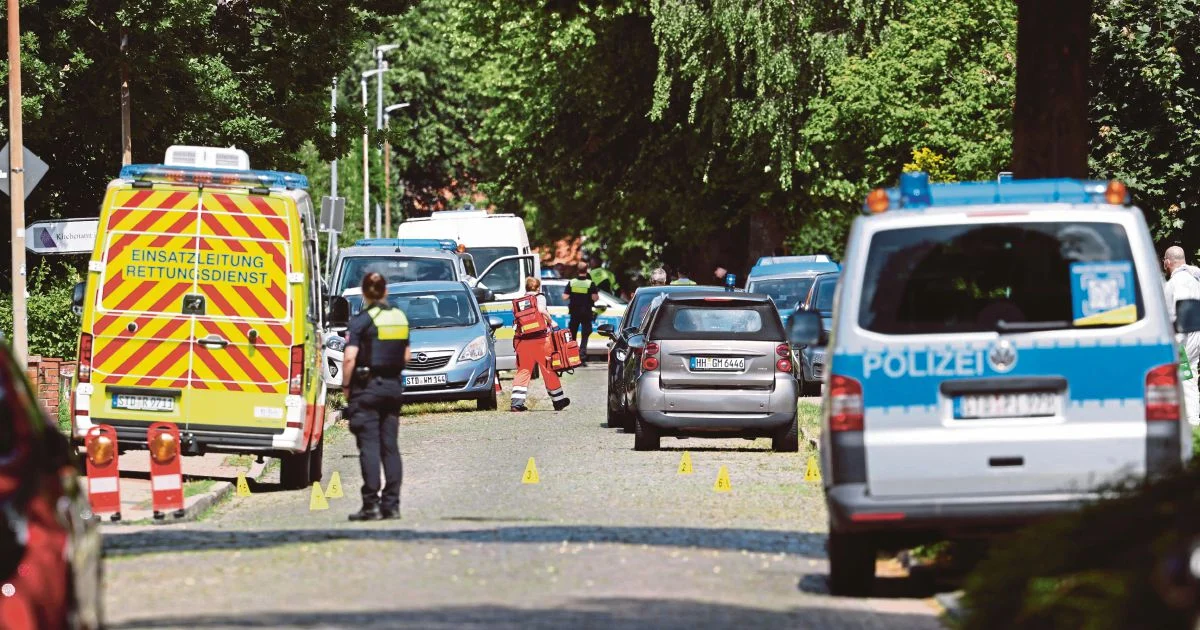
A shooting rampage at a German youth welfare facility claimed six lives on Monday, according to local police authorities. The incident occurred at a centre dedicated to supporting mothers and their children, marking yet another mass casualty event in a nation that has experienced several deadly shootings in recent years. Officers swiftly apprehended both a male gunman and a female associate in connection with the attack, bringing the immediate threat to an end.
Police investigators characterised the bloodshed as a probable "family tragedy," suggesting the violence may have stemmed from deeply personal disputes rather than ideological or random motivations. This classification carries significant weight in German law enforcement circles, where mass shootings are typically categorised according to their likely origins and circumstances. The designation implies that those involved may have had prior relationships or conflicts, though full details remained unclear in the immediate aftermath.
The youth welfare centre, which provides services to vulnerable mothers and their offspring, represents the type of civilian infrastructure that should theoretically operate far from violence. The targeting of such a facility underscores how domestic disputes can escalate into mass casualties when access to firearms combines with interpersonal crisis. For Malaysia, where strict firearm regulations mean mass shootings remain extraordinarily rare, the incident serves as a sobering reminder of how different regulatory environments produce vastly different outcomes.
Germany has grappled with a troubling pattern of gun violence over the past decade, despite maintaining relatively stringent weapons laws compared to some Western nations. Previous mass shootings in Hanau, Hamburg, and other cities have tested both police response capabilities and public confidence in safety measures. Each incident prompts renewed debate about whether existing regulations adequately address all vectors of violence, including domestic disputes that can rapidly transform into tragedies affecting innocent bystanders.
The arrest of both the primary suspect and his female companion suggests the investigation is moving swiftly, with authorities likely interviewing both individuals to establish the precise sequence of events and motivations. German police protocols in such situations typically prioritise securing detailed statements from those apprehended while forensic teams document the scene and gathering weapon-related intelligence. The involvement of a second party raises questions about whether the companion played an active role or served another function in the sequence of events.
For regional observers in Southeast Asia, the incident highlights how violence can strike ostensibly safe public institutions even in developed democracies with functioning security apparatus. Malaysian readers might note that despite tighter firearm restrictions here, the psychological factors underlying domestic violence and family breakdowns remain universal. The focus on welfare facilities suggests a particularly vulnerable demographic—impoverished mothers and children—were targeted, reflecting patterns seen elsewhere where crises intersect with socioeconomic hardship.
The preliminary framing as a family tragedy rather than terrorism or other motivated violence may influence how German society processes and responds to the shooting. Public discourse tends to differ markedly depending on whether mass violence is perceived as stemming from personal disputes versus ideological radicalism or mental health crises. This classification can shape policy discussions about everything from firearm regulations to mental health intervention programmes.
Responses from German government officials and community leaders would typically include pledges to examine what warning signs may have been missed and whether existing safeguarding mechanisms functioned effectively. Youth welfare facilities maintain detailed records and regular contact with at-risk families, creating potential opportunities for intervention if concerning behaviours become apparent. The investigation will likely scrutinise whether any warning indicators were present that authorities could have acted upon.
For the broader European context, Germany maintains a patchwork of gun regulations that vary somewhat by state, though federal frameworks establish baseline restrictions. The perpetrator's ability to obtain and deploy firearms despite these controls will undoubtedly feature prominently in subsequent analyses. Comparisons with other European nations' approaches to firearm licensing, storage requirements, and psychological evaluations will likely emerge as the investigation deepens.
The immediate impact extends beyond the obvious tragedy of six deaths to encompass profound effects on institutional confidence. Youth welfare centres across Germany may face heightened security protocols, staff anxiety, and reduced client engagement as families become concerned about safety. Such secondary effects of mass violence—the ripple damage to public institutions and social trust—are often underestimated in casualty counts but represent genuine harms nonetheless.
As more details emerge from ongoing police investigations, the full circumstances surrounding the shooting should clarify whether this represents an isolated incident or whether systemic vulnerabilities require attention. The classification as a family tragedy reflects current understandings, but investigations frequently reveal complexities that initial assessments fail to capture. For Malaysia and the wider region, monitoring how Germany's law enforcement and policy frameworks respond offers insights into how developed nations approach the intersection of domestic violence, mental health, and firearm access.

