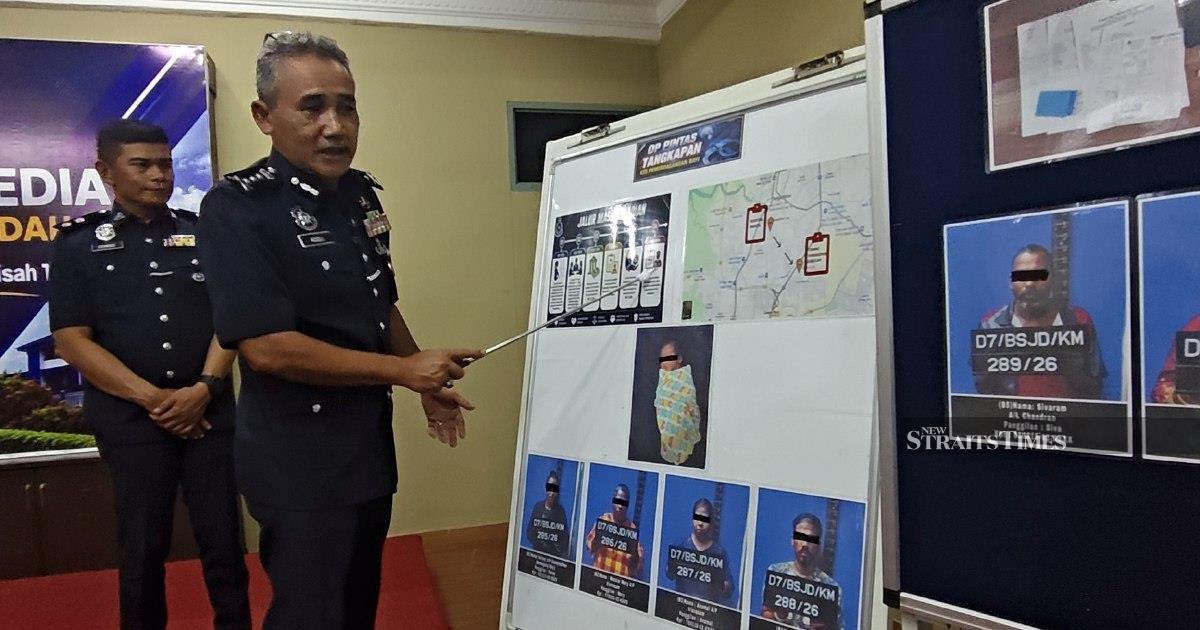
Police in Kuala Muda, Kedah have made six arrests in what appears to be a coordinated operation targeting an alleged baby trafficking network. Among those detained is a woman who had given birth merely five days before her arrest, raising serious questions about the circumstances surrounding the alleged trafficking operation and the vulnerability of mothers in the immediate postpartum period.
The arrest of a newly postpartum mother as a suspect in this case highlights the complex and often desperate circumstances that can lead individuals to become entangled in child trafficking schemes. In many baby trafficking cases across Southeast Asia, vulnerable mothers—particularly those facing severe economic hardship, lack of family support, or pressure from criminal networks—can become both victims and, unwittingly or otherwise, participants in illegal adoption and trafficking rings. The timing of this arrest suggests investigators believe the mother was either directly involved in facilitating the sale or transfer of infants, or was coerced into participation by more established criminal actors within the suspected network.
Baby trafficking remains one of Southeast Asia's most persistent and troubling criminal enterprises. The region's combination of poverty, weak regulatory oversight of adoption processes, and high demand for infants from childless couples creates fertile ground for exploitation. Criminal networks operate with relative impunity in many areas, capitalizing on the desperation of poor families and the desire of affluent individuals seeking to build families outside formal adoption channels. Malaysia has been identified by international observers as vulnerable to such exploitation, particularly in rural and economically marginalised areas where birth registration and monitoring of infant welfare may be inadequate.
The Kuala Muda district, located in the northern part of Kedah state, has experienced various criminal activities in recent years. The region's geography and proximity to urban centres make it a potential trafficking hotspot, where perpetrators can source vulnerable populations while remaining relatively close to buyer networks in larger cities. The arrest of multiple individuals suggests police have uncovered a network rather than isolated criminal activity, which indicates the trafficking ring may have been operational for some time before intervention.
Investigators will likely focus on establishing the full scope of the suspected operation: how many infants may have been involved, what networks the alleged traffickers used to connect with buyers, and whether any infants have already been placed with families who may not know the questionable origins of their adoption. These questions are crucial not only for criminal prosecution but also for child welfare authorities attempting to trace any children already caught up in the scheme. The involvement of multiple suspects strengthens the case that this was an organized operation with distinct roles—sourcing mothers, arranging payments, facilitating transfers, and placing infants with buyers.
The arrest of a postpartum mother raises particular concerns about informed consent and exploitation. If the woman was pressured or deceived into surrendering her newborn, she would herself be a victim deserving of support and protection rather than solely criminal culpability. Malaysian authorities will need to determine her role carefully, considering both criminal responsibility and the possibility of coercion. Postpartum women are in a period of significant physical vulnerability, emotional turbulence, and potential mental health challenges, making them susceptible to manipulation by more experienced criminal actors.
Child trafficking in Malaysia exists within a broader context of human trafficking that authorities have been working to combat through improved legislation and enforcement. The country has been rated in Tier 2 of the United States Trafficking in Persons Report, acknowledging ongoing efforts but also identifying persistent vulnerabilities. The baby trafficking segment is particularly difficult to address because it often intersects with adoption, which is a legitimate and necessary social service. Criminal networks exploit this ambiguity to operate with reduced scrutiny, sometimes presenting themselves as informal adoption facilitators rather than traffickers.
The economic dimension of baby trafficking cannot be overlooked. Poverty creates supply—mothers in dire financial circumstances may be persuaded that surrendering an infant is the best option for both child and family. Meanwhile, demand comes from couples unable to conceive and unwilling or unable to navigate formal adoption processes, which can be expensive and lengthy. Criminal networks position themselves between these two groups, extracting significant profits while providing neither proper legal protection nor genuine support to either party.
Legal consequences for those convicted in baby trafficking cases typically include lengthy prison sentences and substantial fines under Malaysia's Anti-Trafficking in Persons and Anti-Smuggling of Migrants Act 2007. However, the criminal justice response must be accompanied by preventive measures: strengthening birth registration systems, improving support for vulnerable mothers, enhancing oversight of adoption processes, and conducting public awareness campaigns about the dangers of informal adoption arrangements. International cooperation is also essential, as trafficking networks often operate across borders, moving infants between countries to complicate investigation and prosecution.
The investigation's outcome will likely have implications for child protection policy across Malaysia and potentially the broader region. If the network operated beyond Kuala Muda—which is common in such cases—authorities may need to coordinate with police in other states or countries. The case will test whether existing inter-agency coordination between police, the Department of Social Welfare, and immigration authorities can effectively dismantle trafficking operations and protect vulnerable children.
For Malaysian readers, this case underscores the reality that child exploitation can occur close to home, even in what might appear to be routine maternal and child welfare situations. Awareness of signs of trafficking—unusual adoption arrangements, financial inducements offered to pregnant women, or individuals acting as intermediaries in informal adoptions—can help community members report suspicious activity. Ultimately, addressing baby trafficking requires not just law enforcement action against criminal networks but also systemic improvements in supporting vulnerable families and regulating adoption to ensure every child's safety and legal rights.

