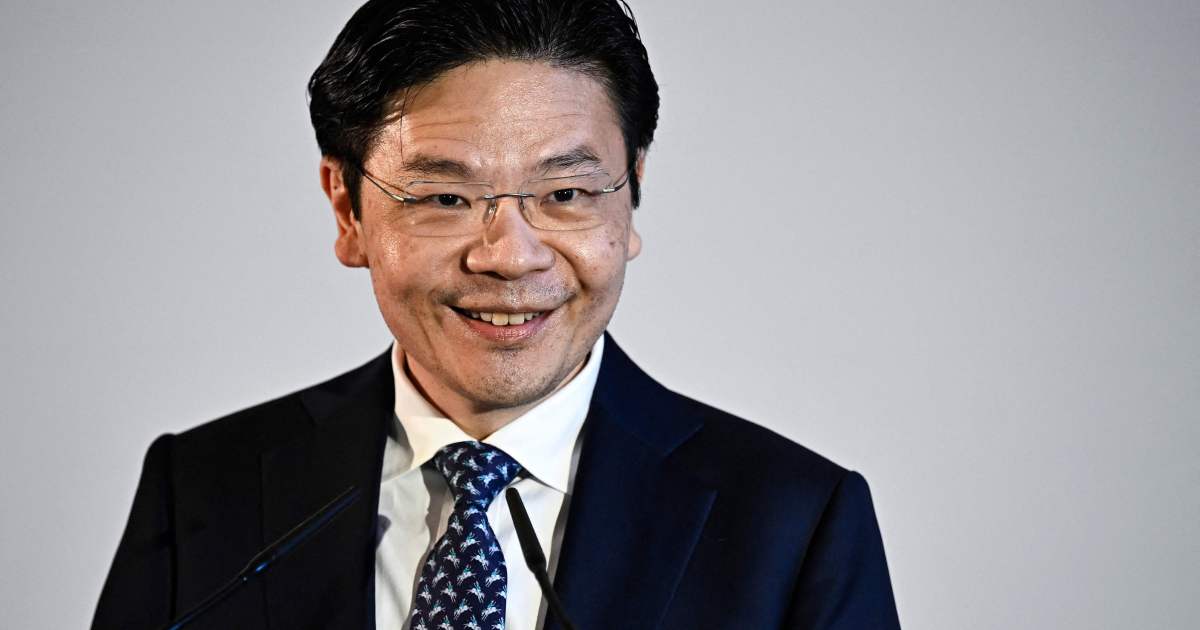
Singapore Prime Minister Lawrence Wong on Wednesday announced a significant realignment of his Cabinet, signalling an important phase in the government's leadership restructuring following the departure of several high-ranking political figures in recent months. The reshuffle represents Wong's effort to consolidate power and establish a governing team that reflects his strategic vision for the city-state as it navigates complex regional and global challenges.
The Cabinet changes underscore the natural evolution that occurs when new leadership assumes the top office of a government. Wong, who took over the premiership earlier this year, has now had sufficient time to assess his administration's needs and make deliberate adjustments to ministerial portfolios and responsibilities. Such reshuffles are common in Westminster-style democracies and serve to reinvigorate administrations while allowing leaders to reward allies and position capable administrators in strategically important roles.
For Malaysian and Southeast Asian observers, Singapore's political manoeuvres carry particular relevance given the city-state's outsized influence on regional economic, diplomatic, and security matters. Singapore's stability and coherent governance have long served as anchors for regional confidence, particularly in trade and investment flows. Any significant shifts in Singapore's political leadership structure warrant close attention from neighbouring capitals, as changes in ministerial portfolios can signal evolving priorities in bilateral relations, regional engagement strategies, and economic policies that affect the broader Southeast Asian ecosystem.
The recent resignations that preceded this reshuffle reflect the ordinary dynamics of political life in Singapore, where ministers occasionally step down due to age, health, or personal circumstances. Such departures had created gaps within the government's ranks that needed filling with capable replacements. Wong's appointment decisions will reveal much about how he intends to balance experience with fresh perspectives, and whether he plans to accelerate younger leaders into prominent positions or retain established figures in key posts.
Cabinet reshuffles also serve an important signalling function in Singapore's political system, which places considerable emphasis on meritocratic advancement and institutional stability. By strategically repositioning ministers, Wong sends messages to the civil service, the business community, and the broader public about which policy areas he considers priorities and which individuals he trusts to execute his government's agenda. The particular portfolios affected by the reshuffle—whether economic development, foreign affairs, finance, or social policy—indicate the administration's near-term focus.
From a regional perspective, Singapore's Cabinet structure carries implications for how the country will engage with its neighbours. Ministers responsible for foreign affairs, defence, and economic development shape bilateral relationships and Singapore's stance within ASEAN. The reshuffle may therefore affect the tenor and direction of Singapore's engagement with Malaysia, Indonesia, Thailand, and other regional partners on matters ranging from trade negotiations to maritime security and environmental cooperation.
Wong's approach to ministerial appointments also reflects the succession planning processes that Singapore has refined over decades. The city-state has developed systematic methods for identifying and nurturing future leaders, ensuring continuity while managing generational transitions. This reshuffle allows Wong to test potential candidates for future advancement and consolidate a team aligned with his leadership style and policy priorities.
The Cabinet changes come at a time when Singapore faces multifaceted challenges including managing its post-pandemic economic recovery, maintaining its competitive edge in the regional marketplace, navigating great power competition between the United States and China, and addressing long-term demographic concerns. The composition and focus of Wong's Cabinet will therefore reflect calculations about how to position Singapore advantageously amid these interconnected pressures.
For business communities in Malaysia and across Southeast Asia with significant interests in Singapore, the reshuffle represents an opportunity to recalibrate relationships with key government officials and understand any shifts in policy direction. Singapore's regulatory environment, tax policies, and trade priorities influence investment decisions throughout the region, making it important for corporate strategists and government representatives to track such administrative changes closely.
Wong's willingness to conduct a reshuffle relatively early in his tenure suggests confidence in his political position and a desire to establish his imprint on government operations. Rather than inheriting his predecessor's entire Cabinet intact, he has chosen to make adjustments that likely reflect both personal preferences and responses to performance assessments of existing ministers. This approach allows him to build institutional ownership of major policies and ensure his team understands his expectations and priorities.
The reshuffle also carries symbolic significance for Singapore's governance narrative. By demonstrating that the system remains dynamic, responsive to performance, and capable of refreshing itself through deliberate leadership choices, Wong reinforces confidence in Singapore's institutional stability—a quality that has underpinned the city-state's success as a global financial centre and a lynchpin of regional stability. The Cabinet changes therefore extend beyond mere administrative shuffling to represent broader affirmations about Singapore's continued commitment to meritocratic governance and institutional excellence that have defined the nation's post-independence trajectory.

