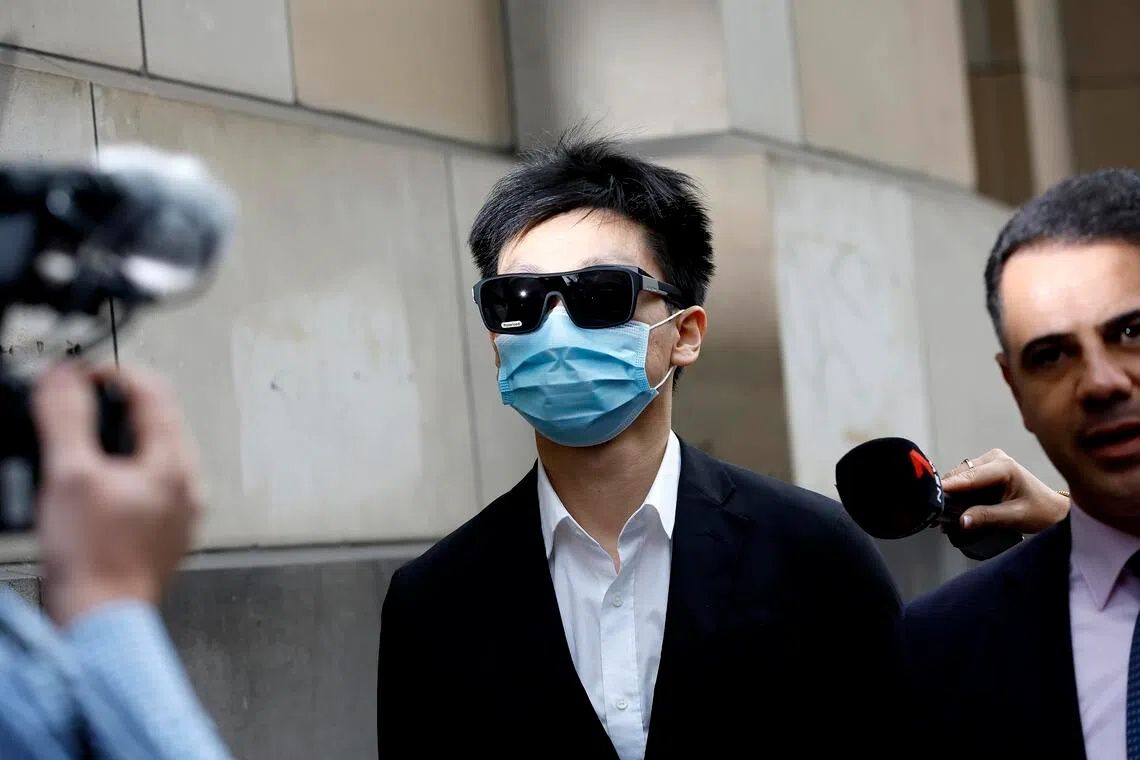
A Singaporean trainee doctor has admitted in court to a systematic campaign of voyeurism targeting hundreds of hospital colleagues across three major Melbourne institutions. Ryan Cho, 28, entered guilty pleas to 13 charges on Thursday at the Melbourne Magistrates Court, including stalking, installing hidden recording devices, and producing intimate images without consent. The case represents one of Australia's most serious workplace violations of privacy and has sent shockwaves through the medical community and beyond.
During the investigation, authorities recovered more than 10,000 video and image files from electronic devices seized at Cho's residence, documenting violations against more than 500 victims. Among these materials were 4,500 videos captured at the Austin Hospital, Royal Melbourne Hospital, and the Peter MacCallum Cancer Centre where Cho worked between 2021 and 2025 after completing his medical studies at Monash University. The sheer volume of material discovered suggests a methodical and persistent pattern of criminal behaviour spanning several years, with victims unaware they were being recorded in moments of vulnerability.
Cho's arrest came in July 2025 after staff at the Austin Hospital discovered a mobile phone concealed in a mesh bag within a staff toilet facility. The discovery triggered a thorough police investigation that ultimately resulted in 910 charges being laid against the doctor before prosecutors agreed to consolidate them into the 13 counts to which he pleaded guilty. His medical registration was suspended by Australian health regulators in 2025, effectively ending his career in Australia's medical profession. Cho had been living in Australia since 2017 and had obtained permanent residency just three months before his arrest in April 2025.
During the brief court hearing, which lasted less than half an hour, Magistrate Michelle Mykytowycz acknowledged the presence of victims attending in person and via video link. She confirmed that sufficient evidence existed to support conviction before asking Cho to enter his plea. Standing in a dark suit and white shirt in the front row of the courtroom, Cho replied "guilty" to all 13 charges. His father, Wilson Cho, a logistics manager from Singapore, observed the proceedings from the back of the courtroom, having previously told the court he had "no idea" of his son's alleged behaviour. The guilty pleas spare the victims from having to endure a potentially lengthy trial and relive their experiences through cross-examination.
Cho's sentencing hearing is scheduled to begin on November 23 at Melbourne's County Court and is expected to run for three days. During this critical phase, the court will hear detailed impact statements from his victims, allowing them to describe the profound emotional and psychological harm they have suffered. The pre-sentence reports will also examine Cho's psychological state and background. His barrister, Julian McMahon, previously described his client as a "complicated young professional man" with what he characterised as "complex psychological issues," suggesting mental health considerations may feature in sentencing submissions.
Strict bail conditions have remained in place since Cho's arrest and will continue until sentencing. These include mandatory police reporting three times weekly, complete prohibition on contact with any witnesses, restrictions on hospital attendance except in genuine emergencies requiring police approval, and prohibition on possessing photographic or video equipment outside his residence. Cho has surrendered his passport and must undergo appropriate medical treatment as directed by the court. His bail is guaranteed by a A$50,000 surety lodged by his parents, who have committed to living in Melbourne throughout the legal proceedings to ensure his compliance with conditions.
The case has become the subject of broader legal action extending well beyond the criminal prosecution. Approximately 100 victims, predominantly women, have lodged human rights complaints with the Australian Human Rights Commission against the three hospitals, alleging sexual harassment and workplace discrimination. These complaints suggest that institutional failures may have enabled Cho's behaviour to continue undetected for several years. Tony Carbone, managing partner of Carbone Lawyers representing victims, has indicated that additional hospital employees are expected to join the human rights case, potentially exposing the three institutions to substantial liability and requiring systemic investigations into workplace safety protocols and surveillance detection measures.
The case raises significant questions about screening and monitoring procedures in Australian healthcare facilities. That a doctor could install hidden recording devices in staff facilities across three major hospitals over an extended period without detection points to potential gaps in security oversight and workplace vigilance. Medical institutions across Australia and the broader Asia-Pacific region will likely undertake urgent reviews of their facilities management and workplace conduct monitoring systems. For Malaysia's healthcare sector, the case serves as a cautionary tale about the importance of robust background screening, ongoing conduct monitoring, and creating workplace cultures where staff feel empowered to report suspicious activity promptly.
The implications for Singapore are also significant, given that Cho is a citizen and his conduct has occurred while he held permanent residency in Australia. The case may prompt Singapore's medical authorities to examine their own screening and accountability mechanisms for doctors working abroad and establish clearer protocols for international professional conduct oversight. The discovery that Cho had no prior criminal record in Singapore suggests that predatory behaviour can emerge or intensify in new environments, highlighting the need for continuous professional development in ethics and workplace conduct regardless of prior history.
For the medical profession globally, this case underscores the critical importance of maintaining patient and colleague safety as a core institutional value, particularly given the trust placed in medical professionals. The psychological profile of a medical trainee capable of such sustained predatory behaviour while maintaining a professional facade raises concerns about selection and mentoring processes in medical education. The case will inevitably influence discussions about duty of care extending beyond patients to include the safety and dignity of colleagues in workplace environments. Cho's sentencing in November will provide courts with an opportunity to send a clear message about the seriousness with which privacy violations and workplace predation are treated in modern Australia.

