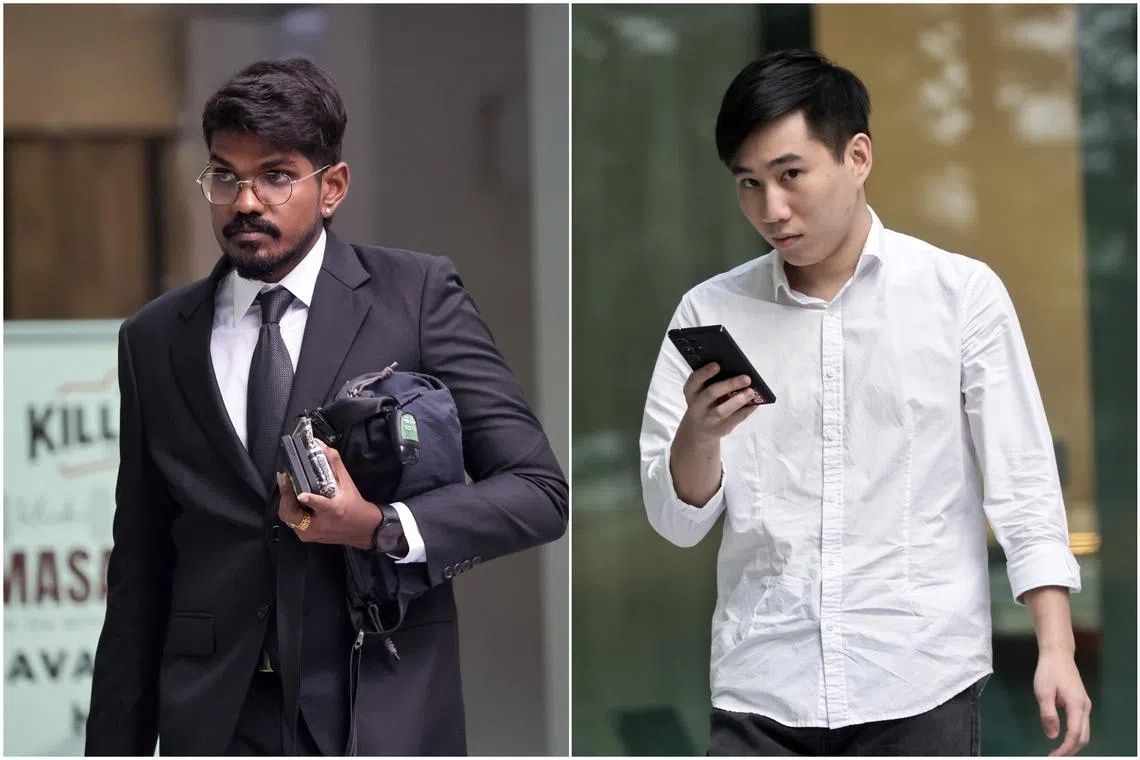
A 29-year-old Singapore Traffic Police investigation officer has been handed a 16-month prison sentence for breaching information security protocols and endangering a citizen's safety through deliberate data misuse. Shivasuria Maniam Kesaval was convicted on Thursday of four counts involving unauthorised computer access and one violation of the Official Secrets Act, in a case that underscores the severe consequences when law enforcement officers betray public trust and abuse their privileged access to sensitive databases.
The circumstances surrounding Shivasuria's crimes reveal a troubling pattern of institutional betrayal. His co-offender, 25-year-old Brayden Ong Ying Shan, was the subject of a traffic complaint lodged by a woman with whom he had a personal relationship. When authorities apprehended Ong following the woman's report that he was driving without a valid licence, Ong sought help from his long-time friend Shivasuria, whom he knew worked within the police system. Rather than refusing to assist in what amounted to an improper investigation, Shivasuria chose to exploit his position and access to official networks.
Between mid-July and late July 2022, Shivasuria repeatedly breached the Ministry of Home Affairs' secured computer systems, conducting unauthorised searches specifically designed to identify the person who had reported Ong's traffic violations. These were not accidental disclosures or minor procedural lapses but deliberate acts performed over a two-week period. The searches yielded the woman's personal details and copies of her original report, information that Shivasuria subsequently shared directly with Ong during multiple meetings held expressly for this purpose.
The intelligence Shivasuria provided became a weapon in Ong's hands. Armed with knowledge about the timing of the initial report, Ong was able to correctly identify the woman as his accuser and used this information to initiate a campaign of intimidation against her. In mid-July 2022, he sent her threatening messages stating he would "murder" whoever had reported him to police. To emphasise his sinister capabilities and connections, Ong sent her a photograph of Shivasuria alongside boasts about having "a TP friend that is high ranking". The implied threat was unmistakable: through his police contact, Ong could access information about anyone she knew, including her family members, whom he demanded she identify.
The woman's decision to lodge a second police report in late July 2022, this time documenting the threats against her life, became the catalyst for unravelling the corruption network. Investigators discovered that Shivasuria had deliberately timed his information-sharing to assist Ong in identifying and harassing his accuser, and that he had given Ong specific details about when the original report had been made. This information proved crucial in Ong's ability to threaten the woman with accuracy and menace.
District Judge Lim Tse Haw convicted both men following trial proceedings. Beyond Shivasuria's convictions, Ong was found guilty of criminal intimidation and violations of the Official Secrets Act. However, Ong's fate remained uncertain at the time of sentencing on Thursday, as he had already fled Singapore by boat on June 2, shortly after his conviction was handed down. A warrant for his arrest has been issued, with a review hearing scheduled for July 14 to address outstanding matters and coordinate potential extradition or apprehension efforts.
Shivasuria's employment history reflects the speed with which the police service moved to contain the breach once discovered. He was suspended from his Traffic Police position in August 2022, approximately one month after the woman's second report alerted authorities to the improper information access. The decision to suspend him immediately demonstrated institutional awareness of the severity of his actions, though critics might question why such abuses took external whistleblowing to uncover.
What distinguishes this case in the broader context of police accountability is the cascading harm resulting from a single officer's abuse of access credentials. Shivasuria's unlawful conduct did not merely constitute a technical violation of data protection protocols; it directly enabled a criminal to threaten, intimidate, and potentially physically harm a law-abiding citizen who had simply exercised her right to report traffic violations to authorities. The woman faced genuine fear for her safety and that of her family members, who had been drawn into Ong's web of threats based on information stolen from government databases by a sworn officer.
The Deputy Public Prosecutor Jeremy Bin emphasised during sentencing that Shivasuria demonstrated no remorse for his actions, a factor that likely influenced the court's decision to impose the full 16-month sentence despite Shivasuria representing himself without legal counsel. Shivasuria submitted written mitigation arguments that were not read aloud in court, and when given the opportunity to make final remarks, he declined, telling the judge he had nothing further to add. This apparent indifference to the consequences of his betrayal presumably weighed against him in sentencing deliberations.
For Malaysian readers and regional observers, this case serves as a cautionary tale about the vulnerability of information systems even within law enforcement agencies and the paramount importance of robust internal controls, audit trails, and accountability mechanisms. It also highlights how personal relationships and informal networks can become vectors for institutional corruption when officers with access privileges prioritise loyalty to friends over their sworn duties to protect citizens and uphold the law. Singapore's swift investigation and prosecution offer one model of response, though questions persist about how such breaches remained undetected until a victim came forward, suggesting that proactive monitoring and oversight protocols may require strengthening across the region's police services.

