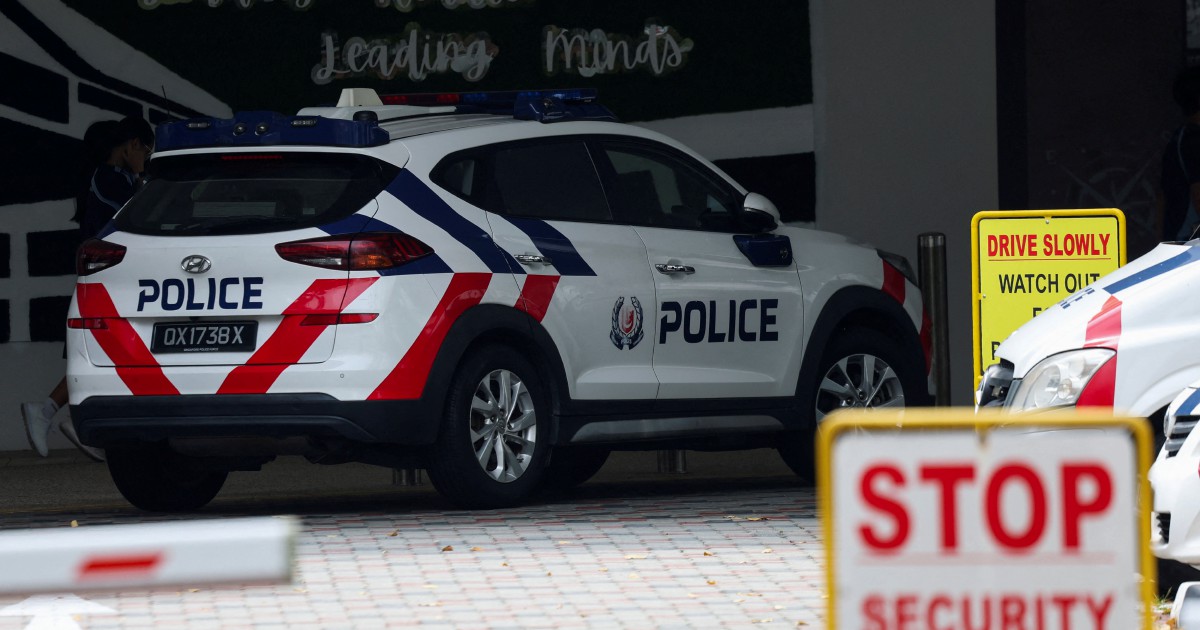
Singapore's police force has taken a teenager into custody following an investigation into a bomb threat that was made against a school in the island nation during the previous week. The arrest of the 15-year-old suspect was officially announced by police on Tuesday, marking a swift development in the security incident that had prompted concern among parents and education officials.
School bomb threats represent a serious matter in Singapore's education system, where safety protocols are strictly enforced across all institutions. Such incidents trigger immediate lockdowns and evacuations, disrupting the learning environment and creating significant anxiety within the school community. The rapid police response and arrest underscores the island-state's commitment to addressing security threats in schools with urgency.
The teenager's apprehension comes as part of a broader investigation by Singapore's law enforcement agencies into the circumstances surrounding the threat. Police have not yet disclosed the specific school that received the threat or the precise nature of the communication that led authorities to treat the matter seriously. Such details are typically withheld during active investigations to preserve the integrity of ongoing inquiries.
In Singapore, bomb threats against public institutions, particularly schools, are treated as major criminal matters under the country's strict security laws. The detention of a minor in connection with such an incident reflects how seriously the authorities view threats to public safety, regardless of the suspect's age. The legal framework governing such offences carries substantial penalties designed to deter individuals from making false threats or genuine attempts at causing harm.
The incident highlights ongoing challenges faced by schools across Southeast Asia in protecting students and staff from security threats in an increasingly connected digital environment. Young people with access to social media and online communication platforms can amplify threats quickly and widely, sometimes without fully comprehending the consequences of their actions. This case serves as a reminder of how rapidly a school environment can be disrupted by a single threat, regardless of its credibility.
For Malaysian schools and parents, the Singapore case underscores the importance of robust safety protocols and swift emergency response procedures. Many educational institutions throughout the region have implemented comprehensive threat assessment procedures, crisis management teams, and communication systems designed to respond rapidly to potential security incidents. The incident also raises questions about digital literacy among teenagers and their understanding of the legal and social ramifications of making threatening statements online or offline.
The involvement of a minor in this case also points to broader concerns about adolescent behavior online and the normalisation of provocative or threatening language among younger demographics. Some experts argue that without proper education about consequences and digital citizenship, young people may not fully grasp the severity of making security threats, even as jokes or expressions of frustration. Police and school administrators across the region are increasingly focusing on prevention through education alongside enforcement.
Singapore's rapid investigation and arrest demonstrate the effectiveness of the city-state's security infrastructure and police capabilities. The nation maintains one of the world's most advanced surveillance and intelligence systems, enabling authorities to identify and apprehend suspects quickly in security-related matters. This efficiency has become a hallmark of Singapore's approach to maintaining public safety and preventing potential incidents.
The police action also reflects Singapore's zero-tolerance approach toward threats against critical infrastructure, including schools. This stance has made the nation relatively safe compared to other global contexts where school threats are handled with varying levels of urgency. For regional security professionals and school administrators, Singapore's response model offers insights into effective threat management and rapid investigation procedures.
The case now moves into the legal system, where the minor will face appropriate charges depending on the evidence gathered during the investigation. Singapore's judicial system has mechanisms for handling cases involving juveniles, which typically differ from adult proceedings but still ensure accountability. The outcome of this case may influence how schools and law enforcement across Southeast Asia approach similar incidents going forward.
School safety remains a top priority for education authorities throughout Malaysia and the broader Southeast Asian region. This Singapore incident serves as a timely reminder for parents, students, and educators to understand the serious consequences of making threats against educational institutions. Cooperation between schools, police forces, and communities continues to be essential in maintaining secure learning environments where students can focus on their education without fear.

