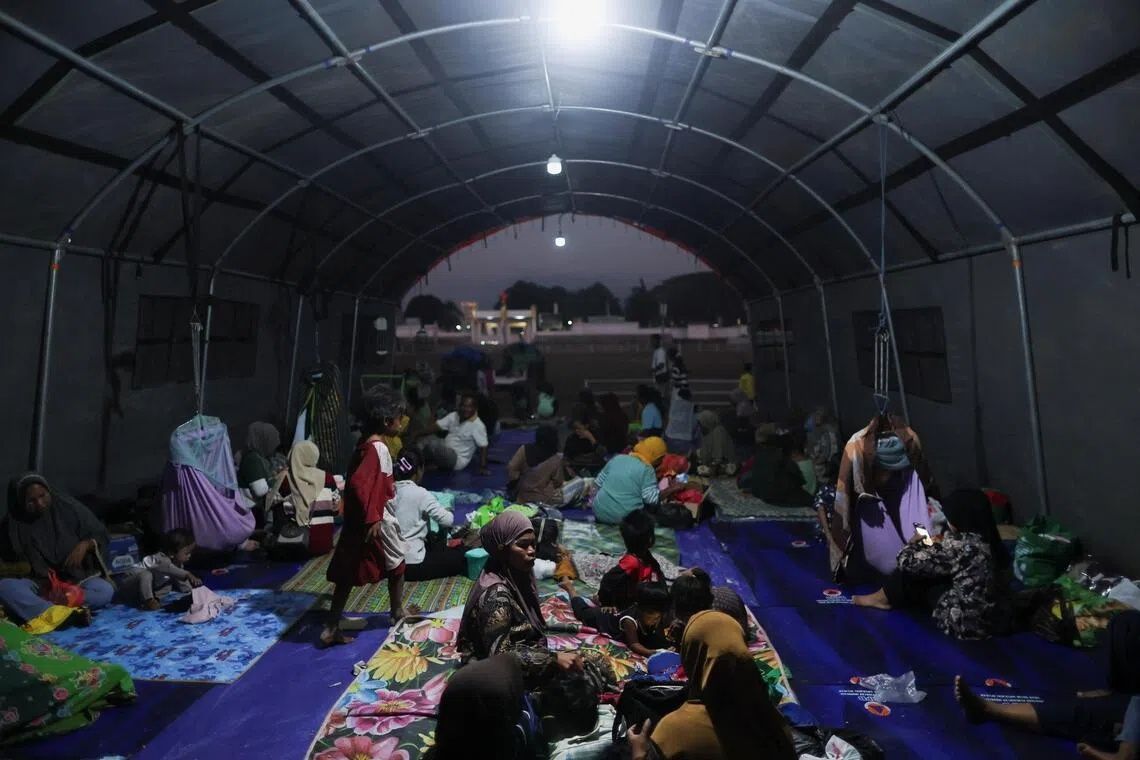
Singapore's Prime Minister Lawrence Wong has formally conveyed his condolences to Indonesian President Prabowo Subianto in the wake of a catastrophic earthquake that devastated the eastern Indonesian island of Flores on August 15. The 7.7-magnitude tremor, which struck off the coast early that Saturday morning, has claimed the lives of more than 50 people while leaving at least 135 others injured. Hundreds of buildings and residential structures across the affected region sustained damage, creating an acute humanitarian crisis across the disaster zone.
In a statement posted on Facebook the following day, Wong expressed profound sadness at the scale of destruction and loss of life triggered by the seismic event. Speaking on behalf of the Singapore Government, he directed his formal sympathies towards the bereaved families and all those whose lives have been upended by the disaster. The messaging underscores the bilateral importance Singapore places on its relationship with Indonesia, the region's largest economy and a crucial strategic partner for stability and cooperation across Southeast Asia.
The immediate aftermath of the initial quake witnessed an extraordinary level of seismic activity that compounded the crisis. Nearly 1,000 aftershocks reverberated through the region within hours of the principal earthquake, according to officials from Indonesia's national disaster agency. This relentless succession of tremors created an environment of sustained fear and instability, hampering rescue and recovery operations while forcing survivors to remain in heightened states of alert. The frequency and intensity of the aftershocks significantly complicated efforts by emergency personnel to access affected communities and deliver assistance.
The human displacement resulting from the earthquake has been substantial. Approximately 5,000 residents fled their homes as the initial shock struck the island early on August 15, seeking safety in open spaces away from potentially collapsing structures. This sudden exodus left thousands of people without shelter, food, or access to essential services, creating immediate welfare concerns that required urgent intervention by Indonesian authorities and humanitarian organisations. The scale of displacement underscores the earthquake's severe impact on everyday life across affected communities.
Complicating the response to the Flores disaster, a secondary earthquake measuring 6.1 in magnitude struck off the northern coast of Sumatra several hours after the initial catastrophe. This subsequent tremor, whilst affecting a different region of the Indonesian archipelago, demonstrated the broader tectonic instability affecting the nation during this period. As of the reporting date, no casualties had been attributed to the Sumatra earthquake, though authorities remained vigilant for potential aftershocks and secondary impacts in that region as well.
The relief and recovery phase faces significant logistical challenges, with emergency personnel operating under constrained conditions to deliver assistance. As of August 16, rescue officials identified several critical needs among survivors, including emergency shelter in the form of tents, basic food supplies, pharmaceutical and medical equipment, potable water, and electricity generation capacity. The combination of damaged infrastructure, ongoing aftershocks, and the sheer volume of people requiring aid has stretched Indonesia's disaster response capabilities, prompting international attention and offers of support from neighbouring nations.
Wong's statement reflects Singapore's broader diplomatic posture towards regional crises, emphasising solidarity with affected populations and recognition of the immense efforts being undertaken by Indonesian emergency services. The statement conveyed appreciation for the authorities and emergency personnel working continuously on relief operations, acknowledging the demanding circumstances under which rescue workers must function. Such messaging, whilst formal in nature, carries significance in reinforcing regional cooperation during periods of acute vulnerability.
The Flores earthquake represents a stark reminder of the significant seismic risks facing Indonesia, which sits along the Pacific Ring of Fire—a zone of intense volcanic and tectonic activity. For Malaysian policymakers and regional observers, the disaster highlights the interconnected nature of disaster management across Southeast Asia and underscores the importance of pre-positioned humanitarian resources and cross-border cooperation frameworks. Indonesia's experience managing this crisis carries lessons for other nations in the region vulnerable to similar natural disasters.
The response from Singapore's leadership also signals the importance placed on maintaining strong diplomatic relations during moments of crisis. By promptly extending formal condolences and acknowledging Indonesia's efforts, Singapore reinforces the bonds of regional partnership and mutual support that characterise Southeast Asian engagement. Such gestures, whilst symbolic, contribute to the broader fabric of regional stability and cooperation that benefits all nations in this economically dynamic and strategically significant zone.

