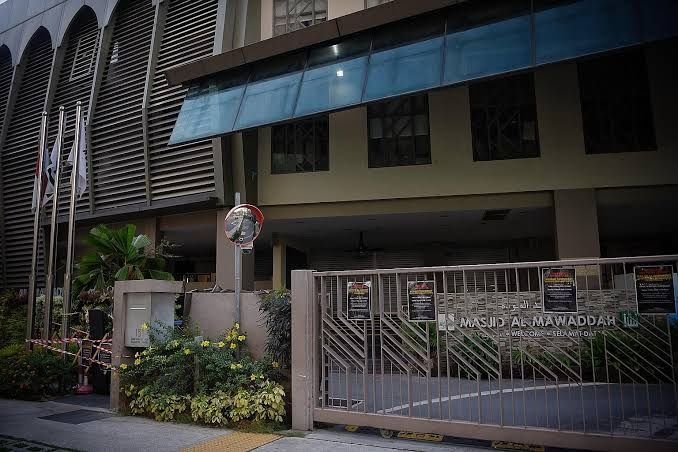
Singapore authorities have charged a senior finance officer with criminal breach of trust following allegations that he misappropriated more than S$14,000 from donation boxes at the Al-Mawaddah Mosque in the Sengkang district. The case underscores vulnerabilities in the management of religious donation collections and raises questions about internal control mechanisms at faith-based institutions across the region.
Mohamed Muhaimin Mohamed Sulaiman, 42, was formally charged on August 12 in connection with the incident. According to police records, the alleged thefts occurred on at least 15 separate occasions spanning a four-month window from February 6 through May 15. The extended timeframe suggests a pattern of systematic removal rather than an isolated incident, potentially indicating a breach that went undetected for months before being reported to authorities.
Police received a formal complaint about the matter on May 16, initiating an investigation that led to the charges laid three months later. This delay between the reported incidents and formal charges is typical in cases requiring financial audits and corroborating evidence, yet it also highlights the challenges faced by religious organisations in detecting financial irregularities. For Malaysian readers familiar with similar institutional structures in Islam-based organisations, the case demonstrates how even senior administrative staff with legitimate access to funds can circumvent oversight systems.
The accused's position as a finance executive at the mosque made him a particularly trusted individual within the institution's hierarchy. Such roles typically grant broad access to collection systems and fundraising mechanisms, creating opportunities for misconduct if proper checks and balances are absent. The nature of donation boxes—often containing cash that is less easily tracked than electronic transfers—makes them particularly vulnerable to appropriation by individuals with administrative responsibility for their collection and management.
Bail has been set at S$10,000, a figure that reflects the seriousness of the charges while remaining within reach for the accused. His case will be mentioned again in court on September 16, when prosecutors and defence counsel are expected to outline next steps in the legal process. The timeline suggests this matter is moving through Singapore's judicial system at a standard pace for criminal cases of this magnitude.
If convicted, Mohamed Muhaimin faces significant penalties under Singapore law. The maximum sentence for criminal breach of trust is 15 years imprisonment, and courts also have discretion to impose substantial fines. Such penalties are designed to deter individuals in positions of trust from exploiting their access to institutional funds. The potential for extended imprisonment underscores how seriously Singapore's legal framework treats betrayals of trust within organisational settings.
The allegations carry broader implications for religious institutions across Southeast Asia, where donation collection remains a significant funding mechanism for mosques, temples, churches and other places of worship. Many such organisations operate with relatively informal financial management systems, relying heavily on the integrity and trustworthiness of administrative staff. This case serves as a cautionary example of how institutional vulnerability can be exploited and demonstrates the need for robust internal controls, regular audits and transparent accounting practices.
The Islamic Religious Council of Singapore, the statutory authority responsible for managing mosque affairs, has not yet publicly confirmed whether the accused remains employed at Al-Mawaddah Mosque or what disciplinary actions may have been taken. Such institutional responses are typically handled separately from criminal proceedings, allowing organisations to implement immediate protective measures while legal proceedings unfold. Transparency regarding employment status and remedial steps would help maintain community confidence in the institution's governance.
For Malaysian readers, the case resonates given Malaysia's own complex religious governance structures and the reliance of many Islamic institutions on public donations. While Malaysia has established regulatory frameworks for Islamic financial management, incidents of misappropriation or breach of trust occasionally surface in both religious and secular institutional contexts. This Singapore case illustrates that even well-established systems require constant vigilance and that positions of financial trust demand stringent accountability measures regardless of an institution's size or standing.
The alleged conduct also raises questions about whether the frequency of incidents—15 occasions over four months—suggests inadequate reconciliation procedures or insufficient segregation of duties. Best practices in nonprofit and religious institution management typically require multiple individuals to be involved in collection, counting and depositing of donations, minimising opportunities for individual misconduct. Had such safeguards been in place, the alleged theft may have been detected and prevented much earlier.
As the legal process continues through Singapore courts, the case will likely prompt other religious organisations to review their financial management protocols. The reputational damage to any institution following such allegations, combined with the legal costs of prosecution, makes investment in preventative systems economically rational and ethically essential. Community trust in religious institutions depends fundamentally on transparent, accountable management of donated funds.

