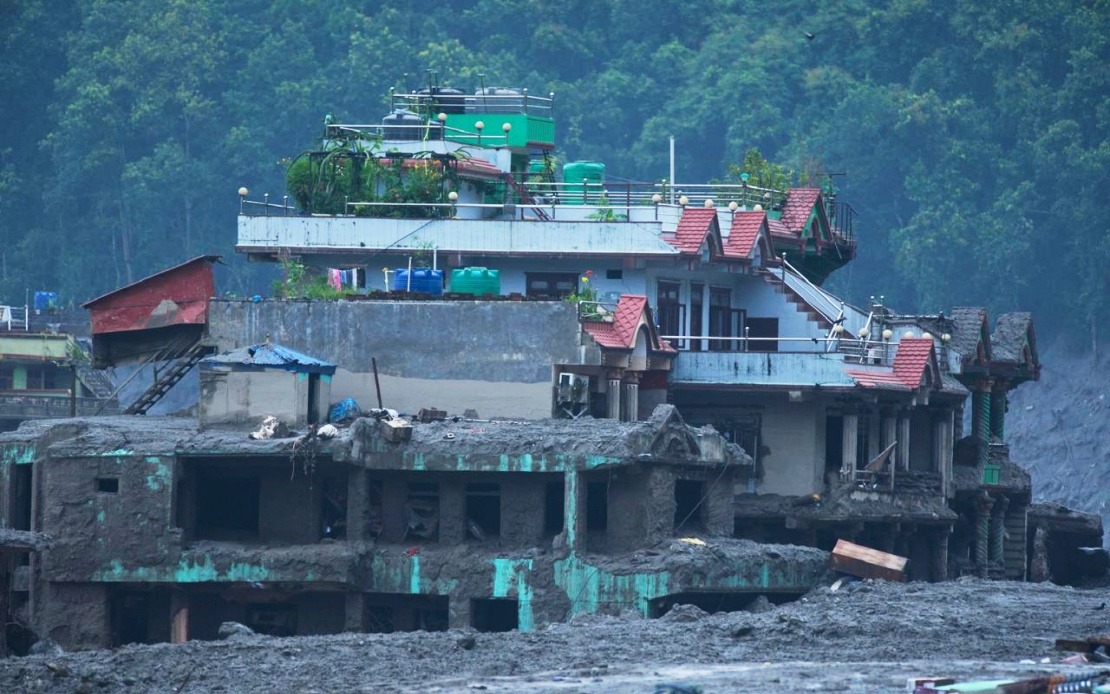
Singapore has mobilised its diplomatic machinery to support nationals caught in the path of devastating flash floods that swept through Nepal's northern regions near the Chinese border, with Prime Minister Lawrence Wong confirming that two Singaporeans are feared lost among a larger group of missing trekkers. The natural disaster has triggered an urgent consular response from the Ministry of Foreign Affairs, which is coordinating directly with both Nepali and Chinese authorities to locate and assist affected citizens while maintaining contact with family members awaiting news.
Wong's statement on Thursday acknowledged the scale of the humanitarian crisis unfolding across the Nepal-China frontier, expressing Singapore's solidarity with both nations as rescue and recovery operations intensify. Beyond the immediate diplomatic messaging, the Prime Minister's public acknowledgment signals the seriousness with which Singapore treats the situation and underscores the government's commitment to safeguarding its overseas nationals during international emergencies. His condolences extended to victims' families and recognition of emergency personnel efforts reflect Singapore's broader approach to regional crisis management and humanitarian cooperation.
The missing group of 47 hikers represents a multinational expedition that highlights how outdoor tourism in the Himalayas draws adventurers from across the world. Himalayan Glacier Adventures, the company organising the trek, had assembled participants from Australia, Nepal, the United Kingdom, the United States, and Russia alongside the two Singaporeans. This international composition adds complexity to the rescue operation, requiring coordination among multiple nations' diplomatic services and emergency response protocols to ensure comprehensive assistance.
The flash floods that triggered the emergency struck with little warning in the remote, mountainous terrain where river systems can swell rapidly during monsoon season. Such incidents underscore the inherent risks of high-altitude trekking in the Himalayas, where weather patterns can shift dramatically and geographic isolation makes rescue operations extraordinarily challenging. For Malaysian travellers and adventure enthusiasts, the incident serves as a sobering reminder of the unpredictable nature of mountain environments and the importance of thoroughly vetting tour operators and understanding seasonal hazard patterns before undertaking such expeditions.
Singapore's Ministry of Foreign Affairs has issued comprehensive guidance for all Singaporeans currently in Nepal, advising heightened vigilance and immediate avoidance of the most severely affected districts. The advisory specifically identifies Rasuwa, Nuwakot, Dhading, Gorkha and Chitwan as no-go zones due to ongoing flood risks. Such targeted warnings allow Singaporeans in Nepal—whether tourists, expatriate workers, or business travellers—to make informed decisions about their movements and to contact their embassies should they require assistance.
Beyond naming affected districts, the Ministry has warned of cascading disruptions across essential infrastructure throughout the impact zones. Roads remain unstable, transportation networks are compromised, communications systems face outages, and access to water, electricity and healthcare services cannot be guaranteed. These secondary effects of natural disasters often prove as dangerous as the initial flooding itself, potentially trapping people in remote locations or preventing them from reaching medical facilities. Singaporeans in Nepal are urged to verify conditions before attempting any travel and to remain updated through local news sources and official government channels.
The incident reflects broader regional vulnerabilities to climate-related disasters that affect Southeast Asia and South Asia interconnectedly. Nepal's exposure to monsoon-driven flooding, compounded by mountainous terrain and rapid urbanisation in vulnerable valleys, creates recurring disaster scenarios. For Malaysia and other ASEAN nations, understanding these patterns informs domestic disaster preparedness, particularly as climate change intensifies rainfall events and weather volatility across the region. Regional cooperation mechanisms and information-sharing frameworks become increasingly vital as citizens from one country find themselves in crisis situations across borders.
Consular crises of this magnitude require seamless coordination between Singapore's diplomatic posts and the host nation's authorities. The Ministry of Foreign Affairs has positioned itself as the central point of contact for affected families, providing regular updates and managing expectations during uncertain periods when missing persons' fates remain unknown. This institutional response demonstrates the value of maintaining robust diplomatic infrastructure and pre-established relationships with other governments, enabling rapid information exchange and coordinated assistance when emergencies occur.
For Malaysian expatriates and travellers undertaking similar adventures in the Himalayan region or other mountainous destinations, the unfolding situation in Nepal carries instructive lessons. Tour operators' credentials, insurance coverage, weather monitoring protocols, and emergency communication systems warrant careful scrutiny before committing to high-risk expeditions. The Ministry of Foreign Affairs' advisory approach—transparent communication, specific geographic warnings, and actionable guidance—provides a model for how citizens should expect their own government to respond during international emergencies.
The diplomatic engagement between Singapore, Nepal, and China also illustrates how multistate cooperation becomes essential when citizens are affected by cross-border disasters. Nepal and China share responsibility for the border region where the floods occurred, while Singapore must navigate both governments' protocols and search operations. This tripartite engagement demonstrates the complexity of modern diplomacy, where a private trekking company's misfortune becomes a test of international relations and institutional capability.
As rescue operations continue in Nepal's challenging terrain, the incident underscores the unpredictability of outdoor adventure tourism in geologically active and climatically vulnerable regions. Malaysian travellers considering similar expeditions should recognise that government consular services, while robust and responsive, operate within the constraints of geography, local infrastructure limitations, and the inherent dangers of mountain rescue operations. Preparation, risk awareness, and realistic expectations about response capabilities remain essential safeguards for those venturing into remote international destinations.

