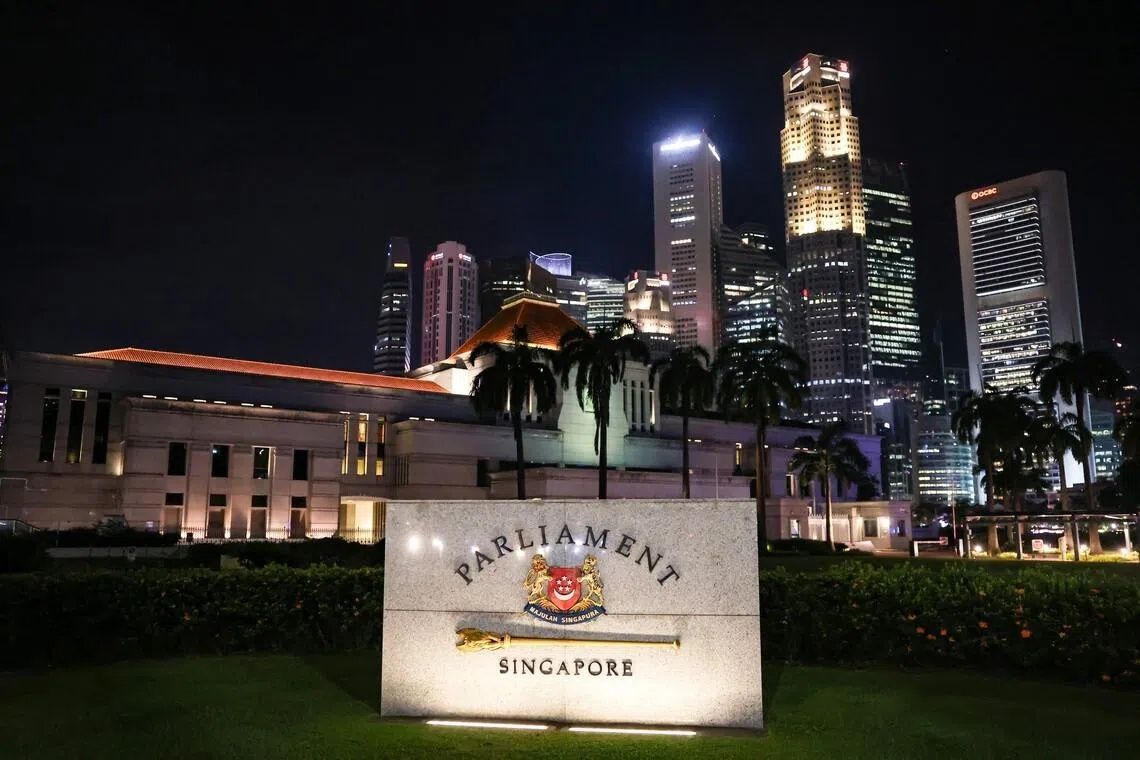
Singapore authorities have moved to prosecute a 40-year-old man accused of orchestrating a pair of hoax bomb threats targeting high-profile government installations, including the nation's Parliament House. The suspect faces serious criminal charges following his arrest on July 7, with prosecutors moving swiftly toward court proceedings scheduled for July 9. The incidents, which unfolded over a four-day period in early July, underscore growing concerns about the misuse of digital communications to trigger security alerts and disruptions.
The first threat emerged on July 3, when the Home Team Science and Technology Agency (HTX) received a submission through its online form system alleging that an explosive device had been concealed within the agency's premises at One North. Police initiated immediate response protocols, deploying officers to conduct comprehensive security assessments. Four days later, matters escalated when the Prime Minister's Office received an anonymous electronic mail claiming a bomb had been positioned within Parliament House itself. The timing and escalation pattern suggests a deliberate effort to test or overwhelm government security infrastructure during a compressed timeframe.
Following standard procedures, security personnel and police conducted meticulous searches of both locations, including systematic sweeps of the buildings and their surrounding areas. The exhaustive checks yielded no evidence of actual explosive devices or items posing genuine security threats. Despite the false alarms, the incidents necessitated full mobilization of emergency protocols, diverting significant law enforcement resources and causing operational disruptions at critical government facilities. The investigation revealed a sophisticated aspect to the crimes: investigators from the Criminal Investigation Department and Central Police Division established through forensic and digital analysis that both threats originated from the same individual, indicating a coordinated campaign rather than isolated incidents.
Electronic devices recovered from the suspect's possession are believed to have facilitated the transmission of both hoax messages, providing investigators with crucial evidence linking him directly to the communications. The rapid arrest on the same day as the second threat suggests police had implemented tracking measures or received leads that enabled swift identification and apprehension. The seamless coordination between different police divisions in connecting the two incidents demonstrates the sophistication of Singapore's internal security apparatus, particularly in digital forensics and threat assessment.
The prosecution will proceed under the charge of communicating false information concerning a harmful thing, a provision within Singapore's penal framework designed to deter precisely this category of malicious reporting. The potential sentence carries substantial weight: conviction could result in imprisonment of up to seven years, financial penalties reaching S$50,000, or a combination of both penalties. These significant consequences reflect the seriousness with which Singapore's legal system treats such offences, acknowledging the genuine harms and disruptions caused by false security threats. The graduated sentencing structure allows courts to calibrate punishment based on specific circumstances, demonstrating a proportionate approach to this category of crime.
For Malaysian observers, this case illuminates challenges facing security agencies across Southeast Asia in the digital age. Hoax threats represent a growing phenomenon throughout the region, with bad actors exploiting the rapid spread of online communications and the institutional obligation of authorities to treat all such reports seriously. The resource drain is particularly acute for smaller nations with limited security personnel, where false alarms monopolize investigative capacity that could be deployed against genuine threats. Regional security experts have increasingly flagged this as a emerging pattern, with incidents reported in various Southeast Asian capitals over recent years.
The Singapore police's public warning following the prosecution announcement carries particular significance, emphasizing that such fabricated threats inflict unnecessary public anxiety and divert critical resources from legitimate security functions. This messaging strategy appears designed both to deter copycat incidents and to educate the public about the genuine consequences of making false reports. The transparency in communicating both the arrest and the forthcoming prosecution demonstrates a commitment to public reassurance while signalling law enforcement's capability to identify and apprehend perpetrators quickly.
The broader implications for governance and institutional confidence are noteworthy. False threats against Parliament House strike at the symbolic heart of democratic institutions, potentially undermining public confidence in security arrangements and governmental capacity to protect sensitive spaces. The rapid response and successful prosecution help restore public confidence that such provocations will be treated with utmost seriousness and result in swift accountability. For regional governments grappling with similar challenges, the Singapore case offers a template for rapid investigation and decisive legal action.
Cybersecurity and digital forensics capabilities emerge as central to modern law enforcement effectiveness in such cases. The ability to track online submissions, email metadata, and electronic device signatures represents the contemporary frontier of criminal investigation. As communications increasingly migrate online, security agencies must maintain sophisticated capabilities to distinguish credible threats from hoaxes while maintaining response protocols that treat all reports seriously during initial assessment phases. This balancing act remains perpetually challenging for security agencies managing competing pressures for swift response and resource efficiency.

