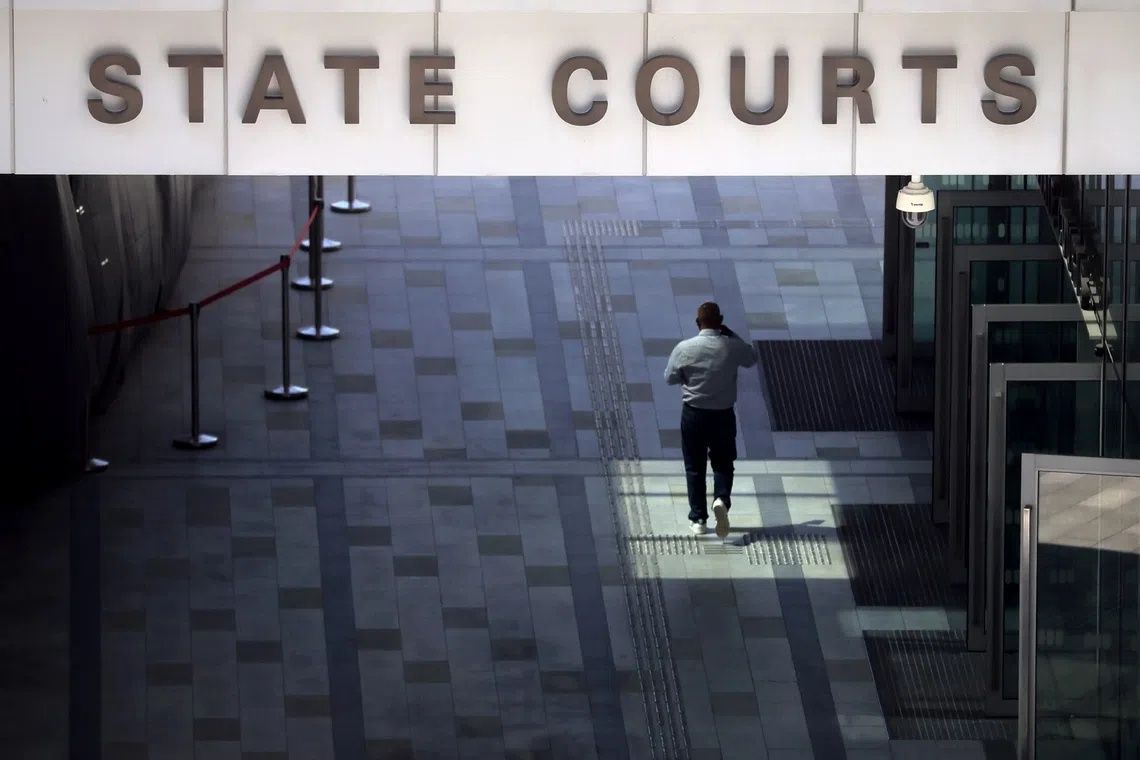
A Singapore father appeared in court on Thursday to face allegations of child abuse involving two separate incidents that have raised serious concerns about child welfare in the island nation. The 40-year-old man is accused of recklessly endangering his 10-year-old son by instructing him to remove his clothes and take a lift to the ground floor of a Housing and Development Board block, and separately assaulting his eight-year-old daughter with multiple strikes at one of the country's busiest airports. The charges represent a stark reminder of domestic child protection failures and the vulnerability of minors to abuse within family settings.
The first alleged incident unfolded on the morning of September 8, 2025, when the man was inside a flat on the eighth floor of an HDB block. According to court documents, he directed his young son to disrobe completely before instructing the child to take a lift down to the ground floor unaccompanied. The specific circumstances surrounding why a parent would subject a young child to such humiliating and dangerous circumstances were not disclosed in the legal filings. Court records remained silent on whether the child actually complied with these instructions, leaving significant gaps in the factual narrative that will likely emerge during further court proceedings.
This type of alleged behaviour raises troubling questions about parental judgment and the potential psychological impact of such treatment on developing children. Exposing a prepubescent child to public humiliation through forced nudity, combined with the risk of an unattended young child moving through communal spaces, represents a multi-layered breach of a parent's duty of care. The HDB environment, where buildings house thousands of residents in close proximity, means such actions carry elevated risks of exposure to strangers and potential additional harm.
Less than a month later, on October 3, 2025, the situation escalated to physical violence. The man was present at Changi Airport Terminal 3 shortly before 6 pm when he allegedly subjected his eight-year-old daughter to a sustained physical attack. Court documents allege that he slapped, punched and pushed the child, inflicting visible injuries to her face and neck regions. The injuries documented by authorities suggest the force used was sufficient to leave marks, indicating this was not a momentary loss of control but rather sustained violent contact with a small child.
Changi Airport, as a major international hub and highly visible public location, amplifies the disturbing nature of these allegations. While many incidents of domestic abuse occur behind closed doors, this alleged assault took place in a space traversed by thousands of travellers daily. The presence of witnesses, security personnel, and surveillance systems at the airport would likely have recorded elements of this incident, providing crucial evidence for prosecutors.
The man faces two formal counts of ill-treating a child, a charge that carries significant legal consequences in Singapore's criminal justice system. Under the Children and Young Persons Act, such convictions can result in substantial custodial sentences and long-term restrictions on future contact with children. The charges reflect the seriousness with which Singapore's authorities treat child protection matters, particularly when abuse manifests in deliberate, sustained, or public contexts.
Court orders protecting the identities of both children prevent public disclosure of their names, a standard protective measure in cases involving minors. These gag orders serve dual purposes: shielding vulnerable young victims from further trauma and preventing media sensationalism that could complicate their recovery and reintegration. However, the anonymity also reflects how deeply embedded child protection concerns are in Singapore's judicial philosophy.
The nature and apparent lack of reasonable justification for both incidents appear particularly concerning to investigators and prosecutors. Court filings conspicuously omitted any explanation for the father's conduct, suggesting either that investigations had not yet uncovered credible motives, or that the actions appeared so arbitrary and abusive that no legitimate parental reasoning could be attached to them. This absence itself speaks to the concerning disconnect between the alleged actions and any conceivable parental purpose.
The case carries broader implications for child welfare systems across Southeast Asia, where family privacy often complicates intervention in domestic settings. Unlike in some Western jurisdictions where school systems, healthcare providers, and community members are mandated reporters, Southeast Asian societies frequently maintain stronger boundaries between public authority and family matters. This Singapore case demonstrates the critical importance of vigilant surveillance and reporting mechanisms to identify and halt child abuse before it escalates.
With the case due for mention again on August 13, coming court sessions will likely reveal further details about the investigation's findings, any statements from the accused, and the welfare determinations made for both children. Authorities will need to establish whether patterns of abuse exist, what role previous incidents may have played, and what protective measures remain necessary for the youngsters' ongoing safety and psychological recovery.

