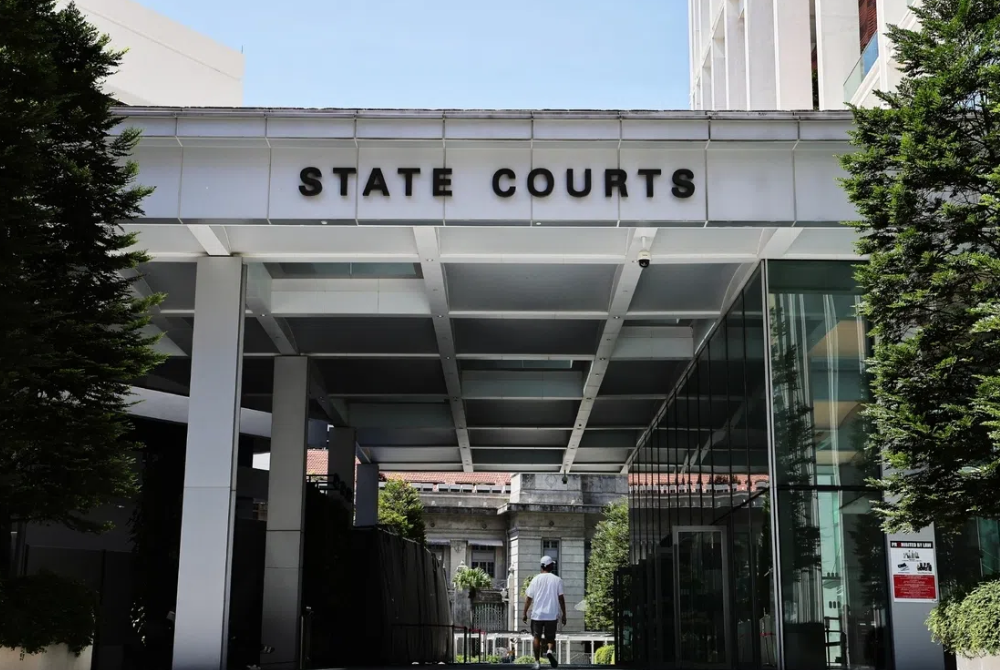
A 31-year-old Singaporean manager at a private educational facility has been handed a sentence of nine years and ten months' imprisonment plus eight strokes of the cane for subjecting primary school children to sustained physical and psychological abuse. The offender, whose identity is protected by court order to shield the young victims, pleaded guilty in July to charges encompassing child abuse, voluntarily causing grievous hurt, and providing false information to Malaysia's Ministry of Manpower. District Judge John Ng delivered the sentence on Friday, August 21, emphasising that the brutality of the acts spoke for themselves and warranted severe punishment.
The case reveals a particularly disturbing pattern of cruelty directed at one six-year-old victim from China who had moved into the facility's student accommodation in January 2023. Over the course of several months, the boy endured relentless physical violence, deprivation, and deliberate humiliation at the hands of someone entrusted with his welfare and protection. The judge noted that the child was struck at least 600 times and stamped upon his back and buttocks on at least 40 occasions. These assaults resulted in severe medical consequences including rib fractures, acute kidney failure requiring nine days of dialysis treatment, and prolonged hospitalisation. The cumulative impact of the abuse amounted to what prosecutors characterised as critical, life-threatening injuries that could have proven fatal without prompt medical intervention.
The most egregious incident occurred on March 9, 2023, when the offender forced the boy into an extended push-up position while completing English homework. What began as a disciplinary measure evolved into systematic torture spanning more than eighteen hours. The child maintained the physically demanding posture from 3.45 in the afternoon through the entire night until dawn the following day, during which time he was denied food while other residents ate their evening meals. In the early morning hours, the offender punched and stomped the exhausted child, then placed a chair upon his back and sat upon it, forcing the already weakened body to maintain its position while bearing additional weight. When the boy required toilet facilities, the offender forced him to urinate into a basin and then compelled him to drink his own urine when thirsty, inflicting psychological degradation alongside physical torment.
The abuse did not stop when the child's body finally collapsed from exhaustion. Throughout March 10, 2023, the offender continued his assault using a clothes hanger, wielding it with such force that the implement shattered during the beating, yet he persisted in using the broken fragments to strike the boy repeatedly. The accumulating injuries rendered the child too weak to stand by evening, at which point the offender carried him to the toilet and sprayed water on his emaciated body. Remarkably, when the offender called the boy's father by telephone in the morning to request permission for disciplinary action, he made no mention of the physical violence he had already inflicted nor any details of the torture to follow. The father, unaware of what was occurring, granted permission believing the discipline would be reasonable. The child was kept from attending school that day to conceal the evidence of abuse.
The offender's position at the facility, run by his aunt, placed him in a direct position of trust over vulnerable minors. He had been employed as a manager since 2016 and was tasked with overseeing students who boarded at the accommodation while also handling their day-to-day care and educational support. Despite possessing no formal teaching credentials, childcare qualifications, or training in child safeguarding, he took responsibility for instructing the primary school pupils and monitoring their academic progress. This absence of professional qualifications or oversight proved catastrophic for the children in his care. The facility itself offered accommodation for students and workers along with management consultancy services for international students, positioning it as a service provider with significant responsibility for the wellbeing of minors.
District Judge Ng addressed the defence's mitigation arguments, which emphasised that the offender had himself been subjected to abuse during childhood by an alcoholic father and a gangster older brother who had inflicted physical violence. While acknowledging this troubled personal history, the judge categorically rejected the notion that such background could justify or excuse the accused's conduct. In forceful language, Justice Ng stated that having experienced abuse as a young boy, the offender should have been uniquely positioned to refuse replicating such treatment with the vulnerable children who had placed their trust in him. Instead of becoming an advocate for protection, he perpetuated the cycle of violence, weaponising his position of authority against those least able to resist.
The prosecutors, Timotheus Koh and Cheronne Lim, presented a comprehensive account of the systematic nature of the offences. They highlighted how the six-year-old victim was regularly deprived of food, subjected to mockery and public humiliation, struck hundreds of times with the hanger, kicked in the ribs, forced to maintain the stress position for extended periods, and deliberately denied medical attention for three days following the worst beating. This deliberate withholding of medical care occurred because the offender feared that seeking hospital treatment might alert police to his crimes. The prosecutors' submission underscored how the offender had fundamentally abused the trust placed in him as a caregiver, transforming a role meant to protect into an instrument of violence and control. The child's injuries were not accidental consequences of rough discipline but rather the calculated outcome of intentional cruelty.
The offender's behaviour demonstrates how institutional failures in supervision and accountability can enable abuse. The facility's proprietor, his aunt, apparently exercised insufficient oversight of his management of the children. No background checks, professional qualifications, or ongoing monitoring systems appear to have been in place to protect residents. Educational facilities, whether in Singapore or elsewhere in Southeast Asia, that provide boarding accommodation for minors bear an enhanced duty of care that extends beyond simple instruction. The incident serves as a cautionary reminder that personal connections—in this case an employment relationship with a family member—cannot substitute for robust safeguarding procedures, professional standards, and regular independent inspection.
During sentencing, the judge firmly declined the offender's request to defer commencement of his jail sentence for one week to attend prayers. This refusal underscores the gravity with which the court regarded the offences and the absence of any mitigating circumstances sufficient to warrant delay. The offender was permitted a brief opportunity to speak with his family members who were present in the courtroom before being taken into custody by prison officers. The case has significant ramifications for educational institutions and residential facilities throughout the region, signalling that courts will impose substantial sentences on those who exploit positions of care and trust to inflict violence on children.

