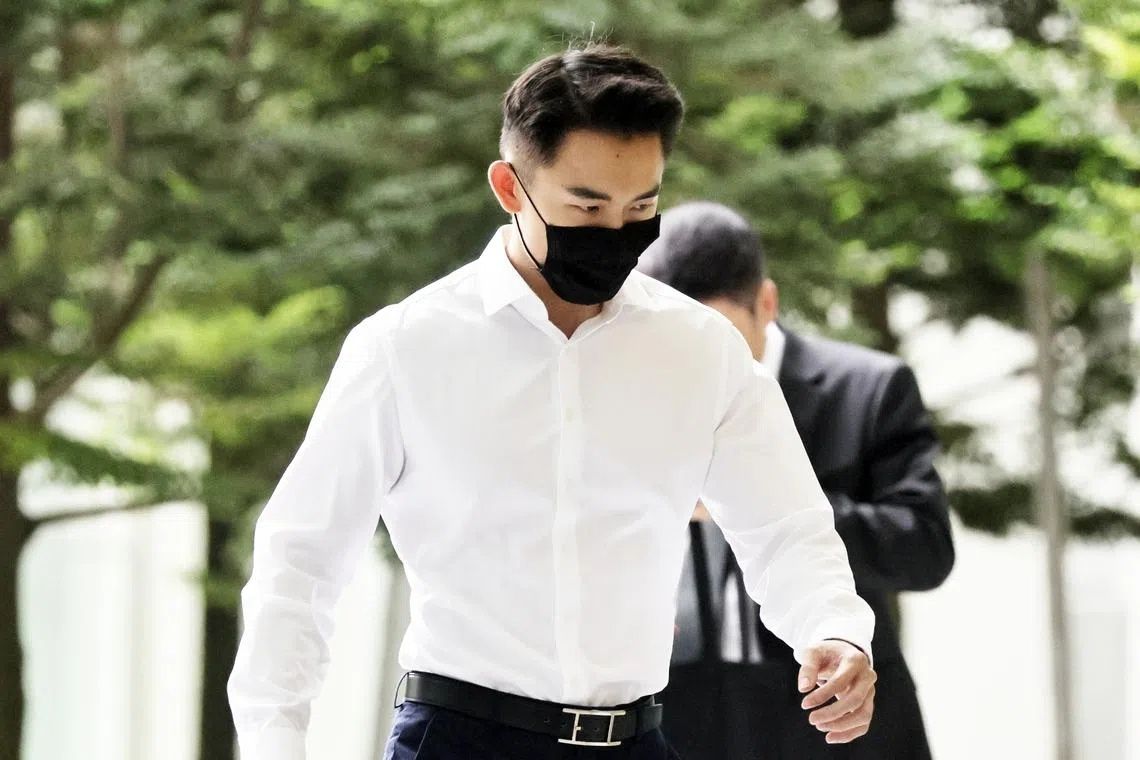
A 36-year-old doctor in Singapore has been found guilty of consuming MDMA after police raided a private villa party at the Sofitel Singapore Sentosa hotel in August 2023. Rayson Lee Rui Sheng and his 29-year-old acquaintance Tan Li Ming were each convicted of one count of drug consumption on Tuesday, concluding a case that highlights the challenges facing Singapore's strict drug enforcement regime when dealing with complex scenarios involving multiple suspects and contested evidence.
The conviction marks a significant moment in a larger operation that saw 49 men, aged between 21 and 46, arrested during the early morning raid on August 9, 2023. Police acted on information received and conducted checks at the hotel shortly after 5.30am, discovering substances believed to be controlled drugs. The Central Narcotics Bureau was subsequently called to the scene, where officers recovered multiple items including ecstasy and ketamine, along with associated paraphernalia used in drug consumption. The scale of the operation underscores Singapore's continued vigilance against drug-related activities, a priority area for the island nation given its zero-tolerance approach to narcotics.
Toxicological evidence formed the cornerstone of the prosecution's case. The Health Sciences Authority found MDMA in Lee's urine samples, while his hair samples contained evidence of both ecstasy and ketamine consumption. Similarly, Tan's biological samples tested positive for the same substances. District Judge A Sangeetha carefully weighed this scientific evidence alongside the defendants' testimonies, ultimately determining that the laboratory findings were conclusive and corroborated by hair samples that revealed a pattern of prior drug use. The judge's reliance on hair testing proved particularly damaging to the defence, as such samples indicate usage patterns over an extended period rather than isolated incidents.
Both men had maintained that their drinks were spiked without their knowledge or consent, a defence that has gained increasing attention in drug-related cases across Southeast Asia. However, the court found significant inconsistencies in their accounts. Judge Sangeetha noted a critical flaw in their narrative: despite claiming their beverages had been tampered with, the men continued consuming additional drinks throughout the evening. This behaviour seemed inconsistent with individuals genuinely concerned about consuming drugs unknowingly. The judge remarked that neither man was unfamiliar with drug use, a finding that substantially undermined their credibility on the stand.
Tan's account of the alleged spiking presented particularly problematic details. He claimed to have witnessed a group of four to five unidentified men drawing liquid from a bottle using a syringe and injecting the mixture into plastic cups. He further stated that after consuming from one such cup, he observed white residue at the bottom. When he allegedly questioned an unidentified person about the procedure, he was told the substance was "G-water" that would produce a "drunk feeling". Notably, Tan claimed ignorance about what G-water was, a position the prosecutors found deeply implausible given his supposed familiarity with drug consumption.
Lee's defence narrative similarly unravelled under scrutiny. He recounted arriving at the villa around the time the party was winding down, finding additional attendees he did not recognise. He claimed to have consumed three drinks offered by strangers without observing any pills or paraphernalia. Yet during trial, Lee admitted to having "popped a pill" on two separate occasions while visiting Thailand in June 2023, an admission that contradicted his portrayal as a naive victim unfamiliar with drug use. The prosecutors seized upon this inconsistency, arguing that if Lee had previously experimented with drugs during overseas travel, his claimed ignorance about events at the villa lacked credibility.
The deputy public prosecutors Jocelyn Teo and Dhiraj G Chainani constructed a methodical argument challenging the defendants' version of events. They contended that neither man provided specific, verifiable details about the alleged perpetrators who spiked their drinks. The prosecution emphasised that genuine victims of drink-spiking should be able to describe at least some concrete characteristics of those responsible. Instead, both men referenced only vague descriptions of strangers, making it impossible to verify their claims. The prosecutors characterised the defence strategy as presenting "hypothetical scenarios and unexplained possibilities" rather than concrete evidence, describing the narrative as a distraction from the scientific findings.
The court's scepticism extended to the defence claim that police failed to seize certain plastic cups that might have contained drug residue. The prosecutors effectively rebutted this argument by observing that even if such cups had been recovered and tested positive, this would merely demonstrate that the men consumed drug-laced beverages. It would not, they argued, establish that such consumption was genuinely unknowing. This logical reframing shifted the evidentiary burden and exposed a fundamental weakness in the defence strategy: establishing the mechanism of drink-spiking does not automatically absolve someone of responsibility if they voluntarily consumed the beverages.
Lee's counsel, Tania Chin, mounted a vigorous defence despite the challenging circumstances. The legal team did not contest the Health Sciences Authority's scientific findings but focused instead on establishing reasonable doubt about the voluntary nature of consumption. This strategy recognised the strength of the toxicological evidence while attempting to navigate around it by attacking the mens rea—the guilty mind element necessary for criminal liability. However, the judge's finding that Lee continued consuming drinks despite his suspicions, combined with his prior drug experimentation, rendered this approach insufficient to overcome the prosecution's case.
The case carries significant implications for how Singapore's courts treat drug consumption allegations when competing narratives about consent and knowledge are presented. For regional observers, the verdict demonstrates that while drink-spiking scenarios are theoretically plausible, courts will demand substantial corroborating evidence and consistent behaviour from defendants claiming victimisation. The decision underscores that scientific evidence, when supported by circumstantial findings such as prior drug use documented through hair samples, creates a formidable prosecutorial position. For individuals in Malaysia and other neighbouring jurisdictions, the judgment serves as a cautionary note regarding Singapore's sophisticated drug enforcement capabilities and the difficulties inherent in mounting credible defences when biological evidence is present.
The broader context of the Sentosa raid reveals Singapore's sustained commitment to combating recreational drug use despite social pressures toward harm reduction approaches adopted in some Western jurisdictions. The arrest of 49 individuals and the subsequent prosecutions demonstrate that the city-state treats large gatherings associated with drug consumption as serious breaches of public order. While Singapore maintains Asia's most stringent drug laws, the case also illustrates the complexity of enforcement when determining individual culpability within group settings. Sentencing for Lee and Tan remains pending, though Singapore's drug consumption convictions typically result in rehabilitation programmes rather than incarceration, reflecting a distinction between users and traffickers in the judicial framework.
The conviction of Lee, a professional holding a position of public trust as a doctor, adds another dimension to Singapore's ongoing discourse about drug use within educated and affluent segments of society. Medical professionals face particular scrutiny regarding substance abuse, and regulatory bodies responsible for professional licensing will likely review Lee's case. This dimension extends beyond criminal liability into questions about fitness to practise medicine and the broader implications for Singapore's healthcare sector. For observers across Southeast Asia, the case demonstrates that professional status provides no insulation from drug enforcement, and that credibility determinations based on inconsistent accounts and prior behaviour remain central to judicial decision-making in the region.

