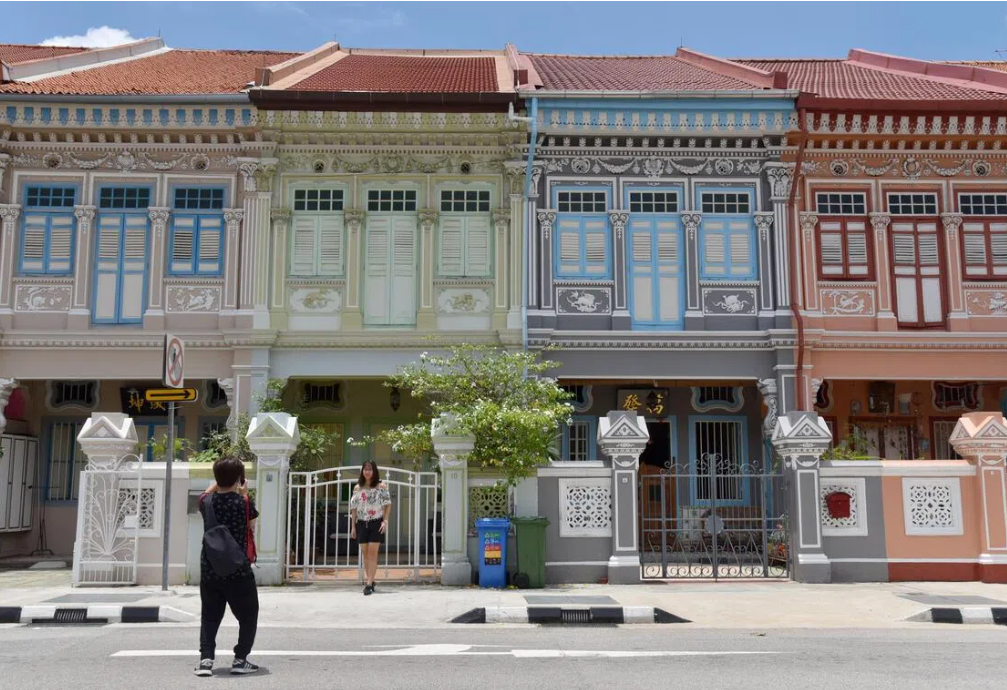
Singapore's tourism authority is deploying a targeted incentive programme designed to funnel international visitors towards lesser-explored neighbourhoods and evening entertainment venues during the traditionally busy third quarter. Starting in August and running through October, the Singapore Tourism Board and ride-hailing platform Grab will distribute complementary vouchers to tourists who activate a bundled travel pass on the app, a move timed to coincide with major events including the Singapore Grand Prix and the Singapore River Festival.
The promotional strategy operates through two distinct voucher offerings. The first grants a 20 per cent reduction on fares to and from four precincts: Katong-Joo Chiat, Tiong Baru, Mandai and Sentosa. Each voucher can be redeemed twice, encouraging multiple neighbourhood visits across different trips. The second voucher specifically targets evening and night-time exploration, providing a one-time 20 per cent saving on Grab journeys to nightlife destinations including Holland Village, Clarke Quay, Boat Quay and Robertson Quay during the 7pm to 4am window. This bifurcated approach reflects a deliberate segmentation of tourist behaviour, with authorities aiming to extend visitor engagement both geographically and temporally.
Activation of these vouchers hinges on visitors purchasing the Singapore Grab Travel Pass, a comprehensive discount package encompassing transport, dining and tourism activities. The mechanism essentially converts the ride-sharing platform into a gateway for wider tourism engagement, leveraging Grab's regional prominence to reach potential visitors before they arrive. This integration strategy differs from traditional tourism promotion by embedding incentives within an existing consumer application rather than deploying standalone marketing channels.
The timing of this initiative reflects careful orchestration around Singapore's marquee tourism events. The Grand Prix circuit runs from October 2 to 11, historically attracting racing enthusiasts and international media. The Singapore River Festival, scheduled for September 11 to 20, positions summer holidays and extended weekends as peak visitation periods. By launching the campaign in August, the STB captures both spontaneous decision-making during summer holidays and advance planners targeting specific events. The three-month window effectively blankets the peak demand season across multiple source markets.
Geographical targeting constitutes another strategic dimension. Rather than promoting Singapore as a monolithic destination, the campaign fragments the island into distinctive precincts, each with differentiated offerings. Katong-Joo Chiat carries heritage significance and culinary reputation; Mandai anchors nature-based tourism through its zoo, bird park and wildlife reserve; Sentosa functions as a leisure island destination; and Tiong Baru appeals to younger travellers seeking authenticity and emerging food scenes. This neighbourhood-centric messaging aligns with earlier STB campaigns emphasising discovery and hidden gems, repositioning Singapore from a transit hub into a destination meriting multi-day, multi-precinct exploration.
The Grab partnership carries particular significance given the ride-hailing company's extensive footprint across Southeast Asia. STB plans targeted digital advertising in key regional markets including China, Indonesia, Thailand and Vietnam, leveraging Grab's data infrastructure and advertising networks to reach potential visitors at the planning stage. This regional focus acknowledges that the majority of Singapore's tourism volume originates from neighbouring countries and major Asian economies rather than distant Western markets, a reality that necessitates geographically intelligent promotional deployment.
This latest initiative builds incrementally on STB's broader repositioning of Singapore as a destination for younger demographics. The "We don't wait for fun" campaign launched in February specifically targets travellers aged 25 to 39, traditionally viewed as more experience-driven and less constrained by package holiday conventions. By highlighting precincts like New Bahru and Joo Chiat alongside established attractions, STB attempts to cultivate an image of Singapore as possessing authentic neighbourhood character rather than purely world-class infrastructure and shopping malls. The Grab voucher programme operationalises this positioning by directing visitors toward precisely these neighbourhood experiences.
Singapore's tourism sector demonstrates robust momentum underpinning these promotional efforts. In 2025, tourism receipts reached an unprecedented $32.8 billion, with 16.9 million international visitor arrivals—a 2.4 per cent increase from the 16.5 million recorded in 2024. These figures exceed pre-pandemic peaks and demonstrate sustained demand even as regional competitors enhance their own tourism infrastructure. STB projects international arrivals will climb to between 17 million and 18 million by 2026, with corresponding spending reaching $31 billion to $32.5 billion, suggesting continued confidence in the destination despite regional tourism competition intensifying.
The financial commitment supporting tourism expansion underscores official seriousness regarding sector growth. In May, Grace Fu, who holds ministerial responsibility for trade relations, sustainability and the environment, announced that tourism-related projects will receive $740 million in government investment over the subsequent five-year period. This substantial allocation demonstrates intent to upgrade physical infrastructure, enhance visitor experiences and maintain Singapore's competitive positioning within the region's tourism landscape. Such capital investment complements demand-side incentivisation programmes like the Grab voucher scheme, creating a comprehensive approach spanning promotion, pricing and infrastructure development.
For Malaysian and Southeast Asian readers, this campaign illuminates shifting tourism dynamics across the region. Singapore's aggressive pursuit of visitor volume and spend reflects recognition that regional tourism competition has intensified significantly, with rivals including Bangkok, Phuket, Chiang Mai, Kuala Lumpur and Bali all developing sophisticated marketing and promotional apparatus. The deployment of ride-hailing incentives represents an evolution beyond traditional promotional methods, embedding tourism encouragement within digital services that tourists already utilise. This approach offers instructive lessons for other Southeast Asian destinations seeking to capture visitor spending and extended stays through targeted pricing and neighbourhood-level marketing strategies.

