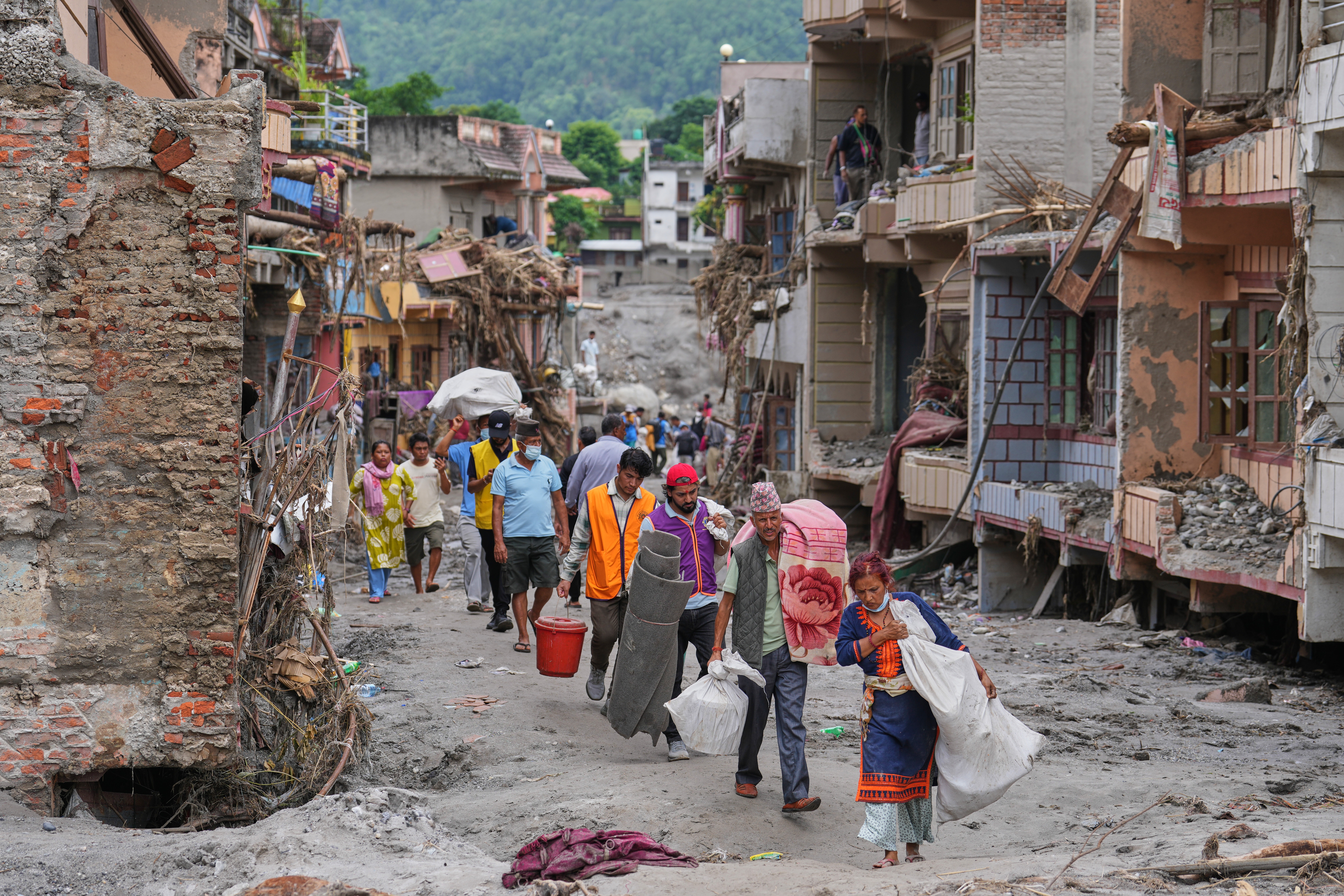
Singapore is moving swiftly to support Nepal's humanitarian response to catastrophic flash floods that have ravaged communities along the Nepal-China border, with the government committing both specialised personnel and material assistance to the relief effort. The deployment comes at Nepal's direct request and represents a significant commitment from the city-state to assist its South Asian neighbour during a critical phase of emergency response. Foreign Minister Dr Vivian Balakrishnan communicated Singapore's support during a telephone conversation with Nepal's Foreign Minister Shisir Khanal on Monday, outlining the scope and nature of assistance that the government would provide.
The Singapore Police Force will deploy a specialised Disaster Victim Identification team to work on the ground in Nepal, addressing a crucial need in the immediate aftermath of the disaster. The DVI specialists possess technical expertise in managing mass casualty situations and identifying deceased victims through forensic and scientific methods—expertise that becomes particularly valuable when infrastructure has been severely compromised and conventional records are disrupted. This deployment reflects Singapore's capacity in crisis management and underscores the practical value that regional cooperation can deliver during humanitarian emergencies. The deployment builds on the earlier dispatch of Singapore's Crisis Response Team to Nepal from August 27, which has been focused on providing consular support to Singaporean citizens affected by the disaster.
Beyond personnel, Singapore is mobilising humanitarian supplies from both civilian sources and the Singapore Armed Forces to transport to Nepal. The nature and scale of these supplies remain unspecified in official announcements, though in previous regional disasters such assistance has typically included emergency medical equipment, food, water purification systems, shelter materials, and communications equipment. The inclusion of SAF supplies suggests that military logistics capabilities are being leveraged to ensure rapid and efficient delivery of critical materials to affected areas, a common practice in regional disaster response where military infrastructure often exceeds civilian capacity in terms of transport and distribution networks.
Prior to the formal deployment announcement, Singapore had already contributed US$100,000 (RM403,000) to the Singapore Red Cross's public fundraising appeal for Nepal relief efforts on Friday. This financial contribution complements the in-kind assistance now being mobilised, reflecting a multi-faceted approach to supporting the recovery effort. The Singapore Red Cross has collectively raised approximately S$1 million (RM3.16 million) to date through its public appeal, demonstrating significant community engagement in Singapore with the disaster in neighbouring Nepal.
The scale of the disaster underscores why such coordinated international response is essential. According to authorities reporting six days after the initial catastrophe, the death toll has reached at least 919 people, with nearly 4,800 individuals still unaccounted for. Among those missing are 853 foreign nationals, indicating that the disaster has affected citizens across multiple countries and making this a matter of concern for several regional governments. The combination of flash floods and mudslides along the mountainous Nepal-China border region creates particularly challenging conditions for search and rescue operations, as terrain becomes unstable and access routes are frequently cut off by secondary collapses.
For Malaysia and other Southeast Asian nations, Singapore's response model offers instructive lessons in disaster diplomacy and regional cooperation. The deployment of specialised technical expertise rather than generic aid reflects a sophisticated understanding of what actually matters in the critical early phases of large-scale humanitarian emergencies. When hundreds remain missing and the situation remains fluid, forensic teams and emergency coordinators often contribute more value than general material assistance. Singapore's approach of combining immediate technical expertise, financial support through established relief mechanisms, and sustained logistical backing demonstrates how middle-power regional actors can effectively support neighbouring countries experiencing major crises.
The coordination between Singapore's Foreign Ministry, its police force, armed forces, and the private sector through the Red Cross illustrates the institutional integration required for effective disaster response. For Malaysia, which faces similar risk profiles given its monsoon climate and mountainous regions, Singapore's model suggests the importance of pre-positioning not just supplies but also trained personnel and clear inter-agency protocols. The Crisis Response Team that has been on the ground since August 27 represents another element—the forward positioning of diplomatic and administrative resources to manage the complications that inevitably arise when nationals are affected by disasters in neighbouring countries.
The timing and scale of Singapore's response also reflects the broader regional economic and humanitarian interdependence that characterises modern Southeast Asia. The presence of 853 foreign nationals among those missing suggests that major disasters in one country rapidly become multinational concerns requiring coordinated responses. For Malaysian policymakers and emergency management officials, this underscores the necessity of maintaining robust channels of communication and cooperation with neighbouring governments, ensuring that when disasters strike, response coordination can happen swiftly and effectively.
Singapore has signalled its intention to sustain engagement with Nepal throughout the recovery period, with officials stating that the government will continue working closely with Nepal's authorities on humanitarian assistance delivery. This commitment to extended support, beyond the initial dramatic response phase, addresses a frequently overlooked dimension of disaster assistance. While the immediate weeks following a catastrophe receive intense international attention and resources, the longer recovery period often sees donor commitment wane precisely when communities remain vulnerable and infrastructure restoration remains incomplete. Singapore's statement of intent to maintain involvement signals an understanding that effective humanitarian response extends well beyond the initial crisis phase.
For Southeast Asian nations observing this response, Singapore's approach offers practical demonstration of how regional powers can leverage their administrative capacity, technical expertise, and financial resources to support neighbours effectively. The emphasis on meeting specific requests from the affected government—in this case, the deployment of DVI specialists—ensures that aid responds to actual priorities rather than donor preferences. As climate-related disasters become more frequent and severe across Asia, such models of pragmatic, technically-informed, and sustained regional cooperation become increasingly important for building resilience and demonstrating solidarity across national boundaries.

