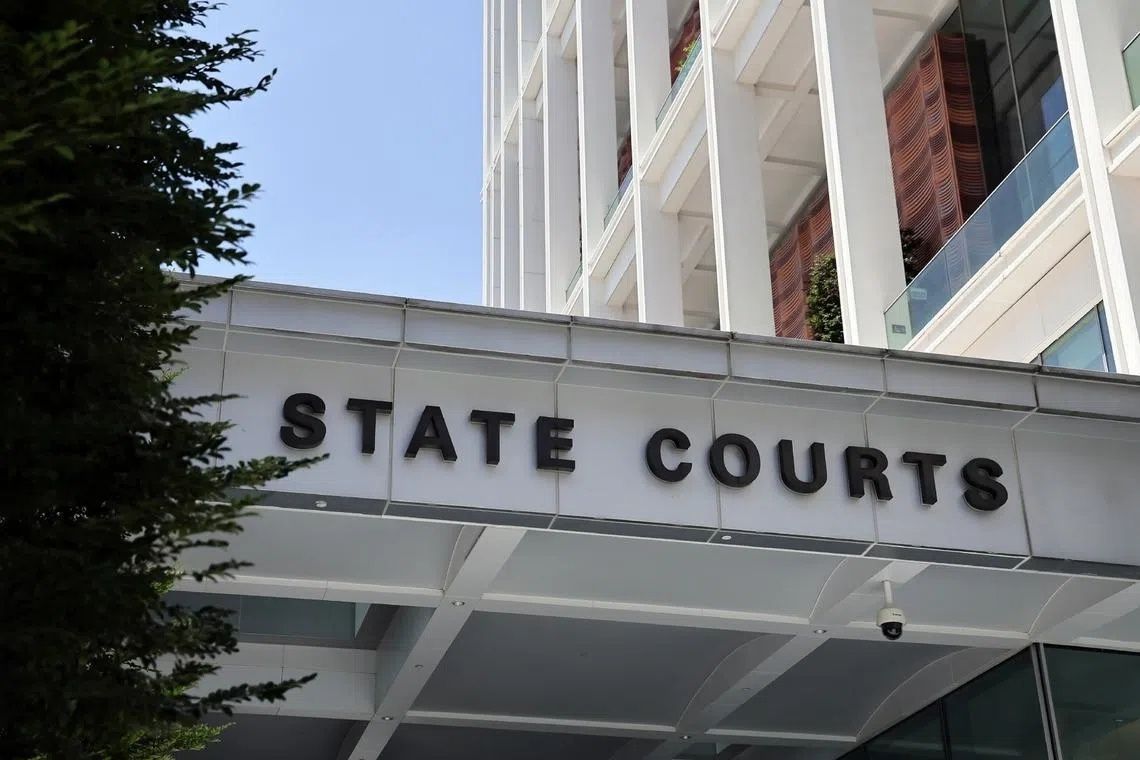
Singapore's courts processed a remarkable caseload of 41 drink-driving charges in a single day last June, underscoring the persistent challenge posed by alcohol-impaired driving across the island state. The bulk processing of these cases reflects broader enforcement efforts by traffic authorities to combat what officials describe as an extremely dangerous and irresponsible practice that continues to claim lives on the roads.
Among those charged on June 25 were three drivers whose intoxication allegedly compromised their ability to maintain control of their vehicles, with each falling asleep behind the wheel in separate incidents. The cases of Tho Yu Wei Ronald, 34, Zhong Pengzhi, 38, and Dharuman Killivalavan, 29, illustrate the severe impairment that can result from mixing alcohol consumption with driving, presenting a compounded hazard to themselves and other road users. Beyond the primary charge of drink driving, all three faced additional counts for abandoning or leaving their vehicles in positions that created inconvenience to the public, demonstrating how drink-driving incidents often cascade into multiple regulatory breaches.
Tho's incident occurred on April 30 when he allegedly left his vehicle parked at the entrance to a multi-storey carpark at Block 176 Hougang Street 13 at approximately 11 o'clock in the evening. Blood alcohol readings indicated he carried not less than 51 micrograms of alcohol per 100 millilitres of breath, substantially exceeding Singapore's legal limit of 35 micrograms per 100 millilitres. Zhong similarly abandoned his car in the second lane of Clementi Avenue 5 during the early morning hours of May 9, with breath readings showing 48 micrograms of alcohol per 100 millilitres. The incidents suggest a pattern where intoxicated drivers, recognising their incapacity, nonetheless managed to operate vehicles before ultimately stopping them in inappropriate locations.
Dharuman's case proved particularly serious given his operation of a commercial vehicle. The Indian national was driving a lorry along Loyang Avenue on June 15 when he left the heavy vehicle in the extreme right lane whilst carrying breath alcohol levels of at least 87 micrograms per 100 millilitres—more than double the legal threshold. His intoxication whilst operating commercial transport represents an elevated risk, as such vehicles demand greater skill and attention to navigate safely. Dharuman pleaded guilty on the charge date and received a substantial fine of 7,100 Singapore dollars alongside a 36-month driving disqualification.
The cohort of 41 charged drivers that day spanned a wide age range from 25 to 68 years, indicating that drink-driving crosses demographic boundaries and suggests a societal problem rather than one confined to younger motorists or specific communities. Among this group, two drivers had previous convictions for the same offence, pointing to inadequate deterrence for repeat offenders despite escalating penalties. Cheng Woon Siong, 44, represented one such case, having previously been convicted of drink driving in December 2019. Upon his latest detection during a random police check with breath alcohol readings of 52 micrograms per 100 millilitres, courts imposed a one-month custodial sentence, a fine of 5,500 Singapore dollars, and a five-year driving ban following release from incarceration.
Koh Choon Lye, 48, constituted the second repeat offender in the group, having been convicted of drink driving in 2018. His detention on Tyrwhitt Road on April 16 revealed breath alcohol levels of 51 micrograms per 100 millilitres, again exceeding legal limits. The existence of repeat offenders despite prior convictions and penalties raises questions about rehabilitation and enforcement effectiveness, particularly whether existing sentence structures sufficiently discourage reoffending or whether alternative intervention approaches might prove more successful in breaking the cycle.
Traffic Police statistics provided context for the severity of the drink-driving problem in Singapore. The year 2025 witnessed 1,716 arrests for drink driving, whilst 12 fatal accidents directly attributable to alcohol impairment occurred, indicating that legislative and enforcement measures, whilst active, have not eliminated the underlying behaviour. These figures represent a significant public health and safety burden, with fatalities representing only the most severe consequences of a much broader category of incidents that cause injuries, property damage, and psychological trauma.
For Malaysian readers, Singapore's drink-driving enforcement framework and penalty structures offer instructive comparison points. The combination of breathalyser testing at roadside checks, progressive penalties including jail sentences and extended driving bans, and public safety campaigns reflects a comprehensive approach to reducing impaired driving. Malaysia faces similar challenges, though enforcement consistency and penalty severity vary across states. Singapore's single-day processing of 41 cases suggests either an intensified enforcement operation or a demonstrable prevalence of the offence that justifies concentrated prosecutorial effort.
Authorities in Singapore emphasise that driving under alcohol influence constitutes an irresponsible act with life-threatening consequences. Official messaging encourages alternative transport options including taxis and private-hire vehicles for those intending to consume alcohol. This public health framing recognises that drink-driving prevention requires both enforcement—through detection and prosecution—and cultural shift toward accepting that relinquishing vehicle operation represents responsible behaviour. Such messaging has particular resonance in Southeast Asia, where road fatality rates remain among the highest globally and where drink-driving contributes disproportionately to preventable deaths.
The clustering of 41 charges in a single day reflects organised enforcement operations, possibly concentrated checks at high-risk locations or times. Whether this represents a temporary surge or sustained enforcement intensity remains unclear from available information. However, the cases illustrate that detection mechanisms function adequately to identify intoxicated drivers, and courts process cases efficiently. The challenge lies in whether penalties sufficiently deter first offences or recidivism. The progression from Cheng's 2019 conviction to his subsequent detection and incarceration suggests that even jail sentences may not eliminate repeat offending among some individuals, pointing toward possible needs for enhanced rehabilitation or alternative prevention strategies targeting high-risk groups.

