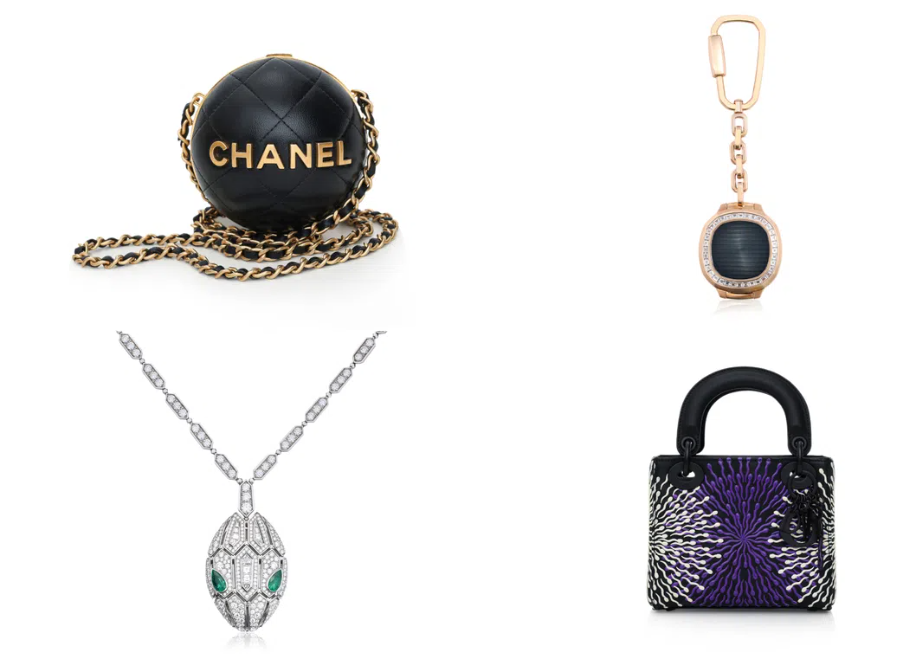
Singapore authorities are liquidating a vast portfolio of luxury assets seized during the city-state's largest money laundering investigation through a phased auction strategy that will span the latter half of 2026 and into 2027. Handbags, jewellery, timepieces and over 80 residential and commercial properties linked to the sprawling criminal enterprise will progressively enter the market through timed online sales managed by professional firms Deloitte, Hotlotz and leading property agents. The strategy underscores the challenge authorities face in disposing of enormous illicit wealth and the complexity of returning proceeds to state coffers through transparent, open-market mechanisms.
The initial phase kicks off on September 7, 2026, when Hotlotz auction house will simultaneously conduct sales of jewellery and designer handbags. Registration and identity verification are mandatory for all prospective bidders, reflecting Singapore's stringent regulatory approach and commitment to maintain the integrity of what will be highly publicised sales. The auctions will be conducted entirely online but open to global participants, allowing collectors and resellers worldwide to compete for authenticated luxury goods. Digital catalogues will be available from 10am on the opening date, with bidding closing on September 20 at 4pm Singapore time. Those seeking to inspect items physically may arrange appointments at Le Freeport, a fortified vault facility in Changi that specialises in safeguarding high-value collectibles.
The inaugural sales will feature more than 300 branded handbags and accessories spanning prestigious houses including Chanel, Louis Vuitton and Christian Dior, alongside over 250 pieces of fine jewellery from Graff, Bulgari and Van Cleef & Arpels. Subsequent tranches scheduled for November 2026 and extending through May 2027 will introduce additional luxury segments, including Hermès handbags and timepieces from Patek Philippe, Richard Mille and Rolex—collections whose combined estimated value likely runs into tens of millions of dollars. The 15-auction series is projected to catalogue more than 1,000 individual items, reflecting the staggering accumulation of material wealth built on criminal activity. For Malaysian and regional observers, the scale of these auctions illustrates the operational sophistication of transnational money laundering networks and the profound resources now devoted to their unravelling.
Deloitte, appointed as the principal restructuring adviser, will coordinate the broader liquidation strategy beyond the auction process. Certain premium or unique assets may be realised through alternative methods including limited tender, expressions of interest or direct private sales, allowing flexibility in matching particular items with buyers most likely to pay fair market value. This tiered approach reflects best practices in asset recovery, balancing the speed of cash realisation against the desire to achieve optimal pricing in diverse segments of the collector and investment markets. The transparent, professionally managed auction mechanism also serves a secondary but significant purpose: demonstrating to the international community that Singapore's regulatory apparatus can credibly account for and ethically dispose of forfeited criminal proceeds.
Real estate holdings constitute the second pillar of the liquidation programme, with licensed property agents SRI, Edmund Tie & Company (SEA) and Knight Frank tasked with marketing and selling the 80-plus properties. A portion of these assets will be offered through traditional auction channels, whilst others may be disposed of via expression of interest processes coordinated by List International Realty. The property component likely represents the largest share of total asset value, as Singapore's real estate market commands premium valuations. Property sales will necessarily proceed more slowly than goods auctions, given the due diligence required for individual property transactions and the time needed for conveyancing in each case.
Singapore authorities have already recovered substantial sums through asset seizure and liquidation activities. Police disclosed that approximately S$1.4 billion in cash—held in seized bank accounts and proceeds from previously liquidated assets—had been paid into the nation's Consolidated Fund by the close of the 2025 financial year. This figure demonstrates that asset recovery operations have accelerated since the initial raids, with cumulative seizures now approaching the full estimated value of the criminal network's holdings. The phased auction approach, rather than bulk fire-sales that might depress prices, appears designed to maximise total recovery over time.
The entirety of the confiscated portfolio is staggering in scope. Initial police operations in August 2023 arrested 10 foreign nationals, all subsequently convicted and deported, seizing or controlling approximately S$1.25 billion in non-cash assets. These holdings encompassed 207 properties, 77 vehicles, over S$1.45 billion in bank accounts and more than S$76 million in cash across multiple currencies. Beyond these headline figures, authorities recovered 483 luxury handbags, 169 branded watches, 580 pieces of jewellery, 68 gold bars, thousands of bottles of wine and spirits, and cryptocurrency valued above S$38 million. The diversity and sheer quantity of seized items reveal a network focused on conspicuous consumption and tangible wealth accumulation rather than financial sophistication—a pattern often observed in laundering operations targeting newly wealthy or risk-seeking individuals.
For Malaysia and the broader Southeast Asian region, Singapore's methodical asset recovery process offers instructive lessons in combating organised financial crime. The city-state's approach—combining rigorous investigation, coordinated asset tracing, professional liquidation management and transparent public sales—contrasts with weaker regulatory environments where seized assets may languish in government custody indefinitely or disappear through corruption. The participation of international auction houses and global bidders also suggests that legitimate markets for luxury goods can be leveraged productively in asset recovery work, generating fair valuations whilst maintaining public confidence in the integrity of the process. As money laundering through Asian financial systems remains a persistent challenge, Singapore's execution of this landmark case carries implications extending well beyond its borders.
The auction enterprise itself presents intriguing market dynamics. Luxury goods seized from criminals may carry reputational concerns or require substantial authentication effort, yet the transparent provenance and professional cataloguing by Hotlotz and Deloitte should mitigate buyer hesitation. The global reach of online auctions means that international collectors and institutional buyers can participate freely, potentially driving competitive bidding and achieving valuations that reflect genuine market demand. Consumer interest in authenticated pre-owned luxury goods has grown substantially, creating favourable conditions for the liquidation of handbags and watches. Art, jewellery and timepieces have traditionally proven resilient assets during economic uncertainty, and the quality of items involved—predominantly branded goods from established houses—suggests robust buyer interest.
The broader implications for asset recovery doctrine are equally significant. By committing substantial professional resources to the transparent, methodical liquidation process and explicitly committing all proceeds to the Consolidated Fund, Singapore has reinforced the message that criminal enterprise yields no ultimate profit. Proceeds seized from laundering operations are not absorbed into government budgets opaquely or misappropriated; they are accounted for publicly and returned systematically to state coffers. This transparency serves both deterrent and legitimacy functions. Potential money launderers elsewhere in Asia face clear evidence that even if initial criminal enterprise succeeds, ultimate recovery by authorities becomes increasingly probable and that captured assets will be disposed of through professional channels offering no opportunity for negotiated recovery or corruption-based redemption.
The September 2026 auction opening marks a critical juncture in one of Asia's most prominent money laundering prosecutions. As the first tranches of luxury goods enter the market, global media attention will likely focus on individual hammer prices for iconic handbags or rare timepieces, generating public interest and reinforcing awareness of the investigation. For Singapore's law enforcement community, these sales validate years of meticulous asset tracing and international cooperation. For the region's financial authorities grappling with money laundering risks, the systematic recovery and liquidation process exemplifies best practices in converting illicit assets back into legitimate state resources. The staggered auction approach, extending into mid-2027, ensures sustained visibility and continued reinforcement of the criminal consequences underlying the original investigation.

