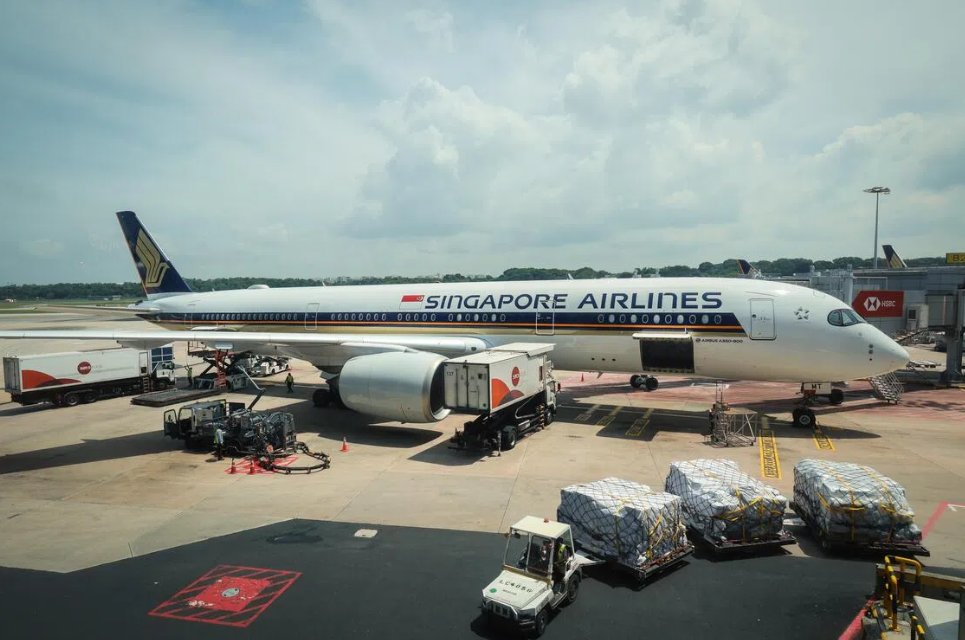
Singapore Airlines experienced an operational disruption on one of its flagship ultra-long-range routes when Flight SQ22 to New York returned to Changi Airport shortly after take-off on August 12, forcing the airline to mobilise contingency arrangements to minimise passenger inconvenience. The Airbus A350-900 aircraft, originally scheduled to depart at 11.35pm, reversed course and touched down back in Singapore at 3.06am the following morning after encountering an unspecified technical issue that prompted airline engineers to tow the aircraft away from active runways for investigation and repairs.
The unscheduled return marked a notable disruption to one of the world's most demanding commercial aviation operations. SQ22 represents one of the longest direct flights available to passengers globally, covering roughly 16,700 kilometres over more than 18 hours of continuous flight time. Routes of this calibre require meticulous planning, specially trained crews, and aircraft engineered for extended periods at altitude without landing. The A350-900 is specifically designed for such demanding long-haul missions, making technical problems on these services particularly operationally complex to resolve given the specialised nature of the aircraft and crew requirements.
Singapore Airlines declined to elaborate publicly on the specific nature of the fault, a common industry practice during the investigative phase of technical events. The airline's spokesperson confirmed the incident through formal channels but provided no technical details about what systems or components required remediation. This reticence, while maintaining operational confidentiality, left passengers without complete information about their experience. Such opacity can leave travellers anxious about safety, even though airlines typically prioritise resolution of any issues that could affect aircraft integrity before returning to service.
The immediate challenge confronting the airline was the disposition of 133 passengers and 17 crew members who had already commenced their journey across one of the world's longest air routes. Rather than attempting to continue with the original aircraft, SIA determined that ground repairs would be necessary, requiring all passengers to disembark and transit to the airport terminal via coach. The logistics of managing this transition involved coordinating ground operations, passenger services, and the preparation of a replacement aircraft and crew complement capable of completing the transatlantic service.
Regulatory flight time limitations imposed significant constraints on the airline's response options. International aviation rules strictly govern the maximum number of consecutive flight hours that crew members can work, designed to maintain safety standards by preventing pilot fatigue on long-haul operations. The original flight crew, having already spent time on pre-flight preparation and the initial departure segment, had consumed sufficient regulatory allowance that they could not legally continue to New York even if the aircraft fault were quickly resolved. Consequently, SIA needed to source a completely fresh crew roster in addition to securing an alternative aircraft, a dual requirement that extended the necessary turnaround time.
Airline staff distributed meal vouchers to waiting passengers, a standard passenger care protocol when mechanical delays extend significantly beyond normal boarding periods. The replacement aircraft, crewed with a fresh roster properly compliant with regulatory limitations, ultimately departed Changi at 5.41am on August 13, eventually arriving at Newark Airport at 12.15pm local time that same day. While passengers faced substantial delays—roughly six hours beyond the originally scheduled arrival time—the eventual completion of the journey represented a successful resolution to the initial crisis.
Passengers who experienced the disruption received ongoing communication and assistance throughout the episode. The airline arranged rebooking onto connecting flights for those requiring onward travel, a necessity given that the six-hour delay created substantial risks of missed connections for passengers with multi-leg journeys. This proactive rebooking approach distinguished the carrier's service recovery efforts and helped mitigate cascading disruptions through downstream connecting services.
Reaction from affected travellers demonstrated nuanced assessment of the airline's crisis response. One passenger, sharing impressions on social media platform Reddit, commended SIA's handling of the situation as "incredibly well" executed, suggesting that ground staff communication, passenger accommodations, and the logistical coordination had met professional standards. However, the same passenger expressed frustration about the information vacuum surrounding the actual fault, noting that neither crew nor airline representatives explained why the aircraft required towing or clarified baggage retrieval procedures, creating uncertainty that detracted from otherwise competent operations management.
The episode illustrates both the vulnerability and resilience embedded within modern long-haul aviation networks. Aircraft operating extreme-range routes represent substantial capital investment and operate with limited redundancy—airlines cannot easily redeploy secondary aircraft on these niche routes because few alternatives possess the specialised specifications required. When primary aircraft require unscheduled maintenance, finding replacement capacity becomes operationally demanding and time-consuming. The Singapore-to-New York corridor remains one of aviation's most challenging operational undertakings, and disruptions, though infrequent, expose the complexity of maintaining scheduled service on such demanding routes.
Singapore Airlines' formal response prioritised safety assurances, stating that "the safety of our customers and crew is always our top priority," while apologising for inconvenience caused by the delay. The incident underscores persistent industry challenges in balancing transparency with operational confidentiality during technical investigations. Malaysian and Southeast Asian aviation observers may note that technical diversions remain inherent risks of long-haul flying, and that premium carriers typically demonstrate sophisticated contingency planning to manage such occurrences, though communication gaps around specific fault details remain a consistent source of passenger frustration across the region's carriers.

