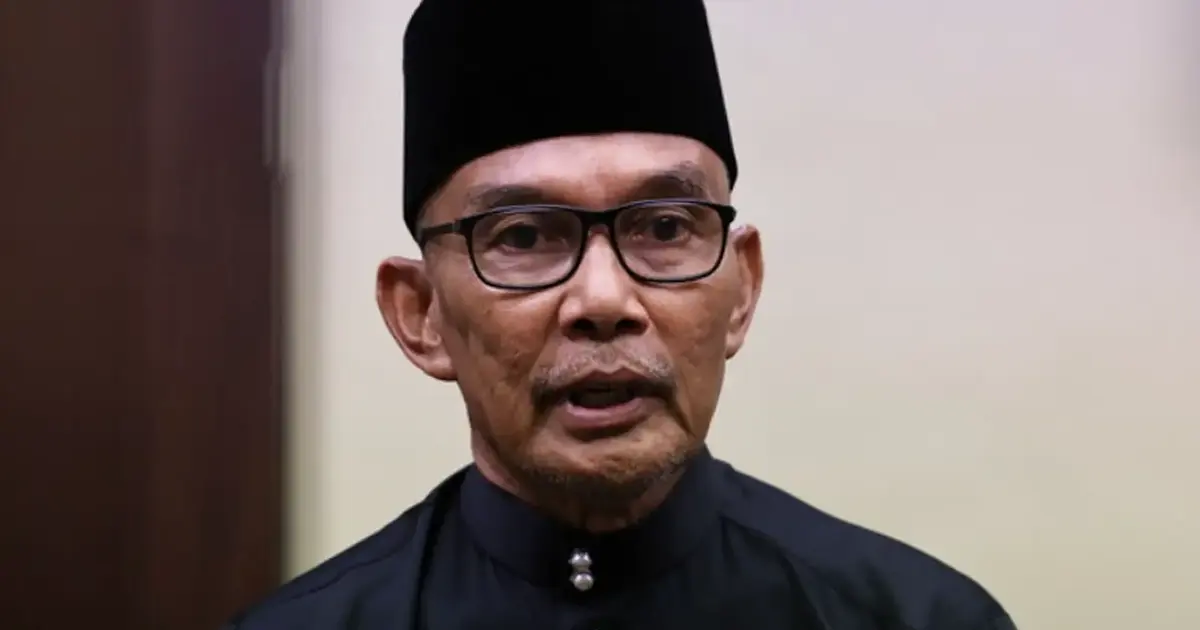
The former menteri besar of Perlis, Shukri Salleh, has moved to dispel suggestions that he orchestrated efforts to undermine PAS in the state, even as he acknowledged the personal pain caused by his unexpected departure from the top leadership position earlier this year. In a carefully calibrated response to mounting speculation about potential internal sabotage within the party, Shukri insisted that he has not instructed supporters to abstain from party programmes or to deliberately weaken the party's organisational infrastructure at state or divisional levels.
The clarification comes amid broader tensions within PAS structures across Malaysia, where questions of loyalty and party cohesion have become increasingly sensitive topics. For Shukri personally, the removal from his role as Perlis menteri besar marked a significant reversal of fortunes after years of building his political standing within the party. The suddenness of his departure left many within party circles questioning whether deeper fractures existed beneath PAS's public facade of unity.
Shukri's statement represents a crucial juncture in understanding how Malaysian political transitions play out, particularly within the Islamic party that has been navigating internal dynamics complicated by competing aspirations and leadership preferences. The Perlis situation has drawn attention because the state represents a critical stronghold for PAS and because transitions in menteri besar posts often generate ripples throughout party structures at federal and state levels. Many observers have watched carefully to see whether Shukri would emerge as a disruptive force or would attempt to maintain party harmony despite his personal disappointment.
The acknowledgement that Shukri remains emotionally affected by his removal demonstrates the genuine sting of political demotion, even for seasoned politicians accustomed to such shifts. Political transitions at this level involve not merely loss of formal position but also diminished influence over policy decisions, reduced access to state resources, and altered relationships with party machinery and patronage networks that have typically supported the displaced leader. For Shukri, the hurt appears to stem from both the manner and timing of his replacement, factors that have clearly not escaped his reflection during subsequent months.
However, his explicit denial of orchestrating any boycott or sabotage effort carries significant implications for how internal party disputes in Malaysia are resolved and managed. Should Shukri have chosen the path of active resistance—encouraging members to withdraw from party functions or deliberately weakening state-level machinery—the consequences could have been destabilising not just for Perlis PAS but potentially for the party's broader position in Malaysian politics. The state remains strategically important given PAS's broader electoral ambitions and its role in various political configurations at federal level.
The distinction Shukri draws between personal hurt and institutional loyalty reflects a particular strand of Malaysian political culture where personal grievances and party solidarity are theoretically held in tension. This approach suggests that Shukri views his role as extending beyond his own grievances toward broader considerations of party stability and electoral performance. Whether this represents genuine magnanimity or calculated strategic positioning remains a question some analysts continue to debate, particularly given the intensity of internal party dynamics at play.
Perlis itself remains a significant theatre for Malaysian politics despite its smaller size relative to other peninsular states. The state has long been a PAS stronghold, and maintaining internal cohesion there matters beyond mere local significance. The party's performance in Perlis feeds into broader narratives about PAS's capacity to govern effectively and maintain party discipline, factors that influence how other constituencies view the party's viability as a coalition partner or governing party. Shukri's posture therefore affects not only state-level considerations but also feeds into calculations at regional and federal levels.
The timing of Shukri's clarification suggests conscious awareness of how extended uncertainty or speculation about potential internal sabotage could damage PAS's prospects. By explicitly denying incitement to boycott or sabotage, Shukri has effectively foreclosed certain interpretive possibilities about his actions since his removal. This declarative approach serves to establish clear boundaries about what grievance-driven actions would and would not constitute, at least from his own framing.
Within the broader Malaysian political ecosystem, such statements carry weight because they help shape narrative expectations about how displaced leaders will behave. If influential removed officials like Shukri consistently manage their disappointment without translating it into institutional sabotage, this establishes patterns that normalise dignified defeat as a viable political posture. Conversely, were such transitions to routinely generate destructive internal conflicts, the costs of political competition within parties would escalate, potentially making transitions more contested and destabilising.
Moving forward, the substance of Shukri's actions will matter more than his words. Observers within PAS will likely monitor his engagement patterns with party structures, his public statements about state governance, and his interactions with party members to determine whether his denial of incitement reflected genuine commitment to party interests or represented tactical positioning. The test ultimately lies in whether his publicly demonstrated hurt translates into constructive contributions to party renewal or gradually morphs into less visible channels of influence or resistance.

