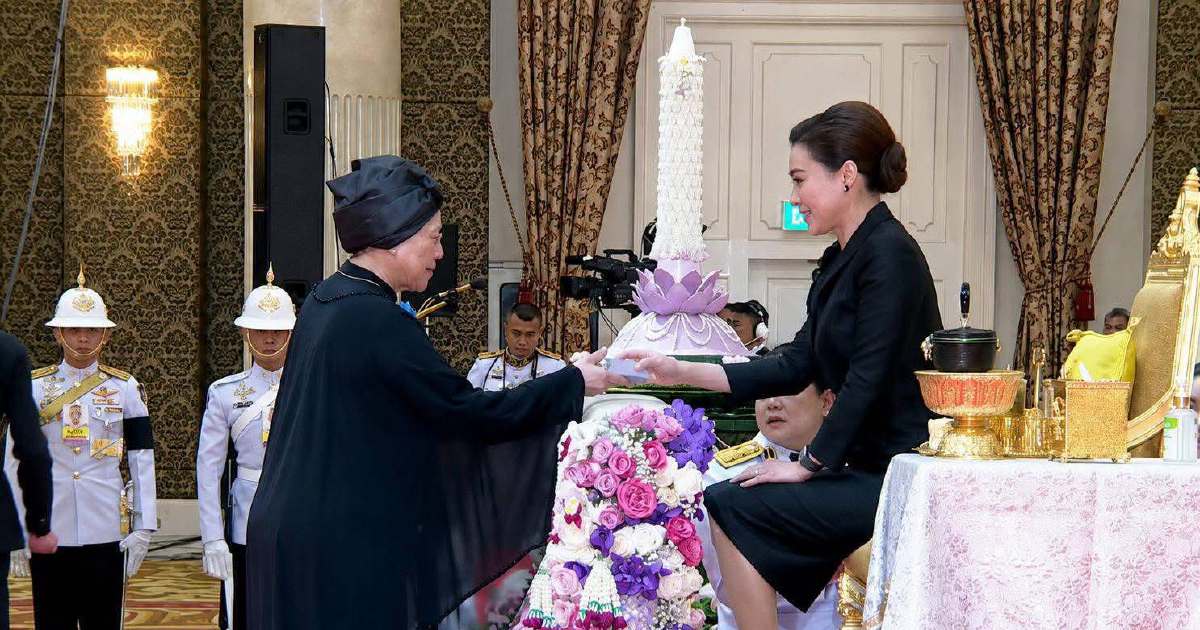
Prime Minister Datuk Seri Anwar Ibrahim and his wife, Datuk Seri Dr Wan Azizah Wan Ismail, have extended congratulations to Prof Emerita Tan Sri Datuk Seri Dr Sharifah Hapsah Syed Hasan Shahabudin following her conferment of the Outstanding Woman Award for Social Development. The recognition marks a significant moment in Malaysia's ongoing dialogue about gender equity and female participation in critical areas of national development.
The award carries particular weight in the Malaysian context, where conversations about women's roles in governance and social progress have intensified over recent years. Sharifah Hapsah's honour reflects not merely an individual achievement but signals broader acknowledgment from the highest levels of government that women's participation in shaping social policy and community development remains essential to the nation's future trajectory.
As an emeritus professor and figure of considerable standing, Sharifah Hapsah has built a career centred on understanding and advancing social development frameworks. Her work has influenced discourse across sectors concerned with improving quality of life, strengthening communities, and ensuring equitable access to resources and opportunities. The award validates decades of commitment to these interconnected challenges.
Prime Minister Anwar Ibrahim's personal involvement in offering congratulations underscores the government's commitment to recognising women who drive change beyond traditional spheres. In Malaysia, where women constitute approximately half the workforce yet remain underrepresented in senior decision-making roles across many sectors, such public endorsements carry symbolic and practical significance. They help reshape narratives about whose expertise and vision matters in crafting national priorities.
The Outstanding Woman Award for Social Development sits within a broader constellation of recognitions aimed at honouring contributions to society. For Malaysian women, these acknowledgments can catalyse broader conversations about representation, inclusion, and the particular expertise women bring to addressing social challenges. Sharifah Hapsah's recognition may inspire other women working in development sectors to pursue leadership positions and contribute their insights to policy formulation.
Social development as a field encompasses diverse work—from poverty alleviation and education access to healthcare equity and strengthening social safety nets. Women's participation in these areas has historically been substantial, though often less visible than counterparts in other sectors. By honouring achievements in social development specifically, the award acknowledges that these domains are integral to national progress and deserve prominence in public discourse.
For Southeast Asia broadly, Malaysia's approach to recognising female leaders offers comparative lessons. The region grapples with persistent gender gaps across political representation, corporate leadership, and academic advancement. When governments publicly celebrate women's contributions to social development, they establish normative frameworks suggesting that female expertise in policy-relevant fields should inform national decision-making.
Datuk Seri Dr Wan Azizah Wan Ismail's participation in the congratulations is equally noteworthy. As a prominent figure in her own right with significant achievements in medicine and public service, her acknowledgment of another woman's recognition reinforces networks of female leadership and mutual support. Such moments contribute to shifting dynamics where women at different career stages and sectors recognise each other's contributions.
The timing of this award comes amid Malaysia's efforts to strengthen its social development frameworks and address emerging challenges including post-pandemic recovery, labour market transitions, and community resilience. Having recognised figures like Sharifah Hapsah—individuals with deep expertise in understanding how societies function and how vulnerabilities can be addressed—signals that policymakers are engaging with accumulated knowledge necessary for navigating these complexities.
From a Malaysian perspective, the award also reflects demographic realities that governments increasingly cannot ignore. Women's educational attainment has surpassed men's in many fields, yet labour market outcomes and leadership pathways remain constrained by structural barriers. Recognition of achievements in social development by high-level officials suggests growing political will to leverage female talent more effectively across sectors.
Sharifah Hapsah's career trajectory—from academic researcher to emeritus professor to award recipient—demonstrates pathways that younger women may follow. When such careers receive public validation from prime ministerial level, they become visible templates for ambition and achievement, potentially encouraging more women to pursue expertise in social development and related fields.
The broader implication for Malaysian civil society is that recognition of women's contributions to social development can animate stronger commitments to gender-inclusive policymaking. When government leaders emphasise women's roles in addressing societal challenges, they implicitly acknowledge that half the population's talent, perspectives, and labour are resources that development strategies must intentionally harness.
Moving forward, the question for Malaysia becomes how such recognition translates into structural changes—expanded opportunities for women in development roles, greater representation in decision-making bodies, and integration of gender-sensitive approaches throughout social policy formulation. Sharifah Hapsah's award serves as both celebration of individual excellence and potential catalyst for institutional evolution toward more inclusive governance of social development.

