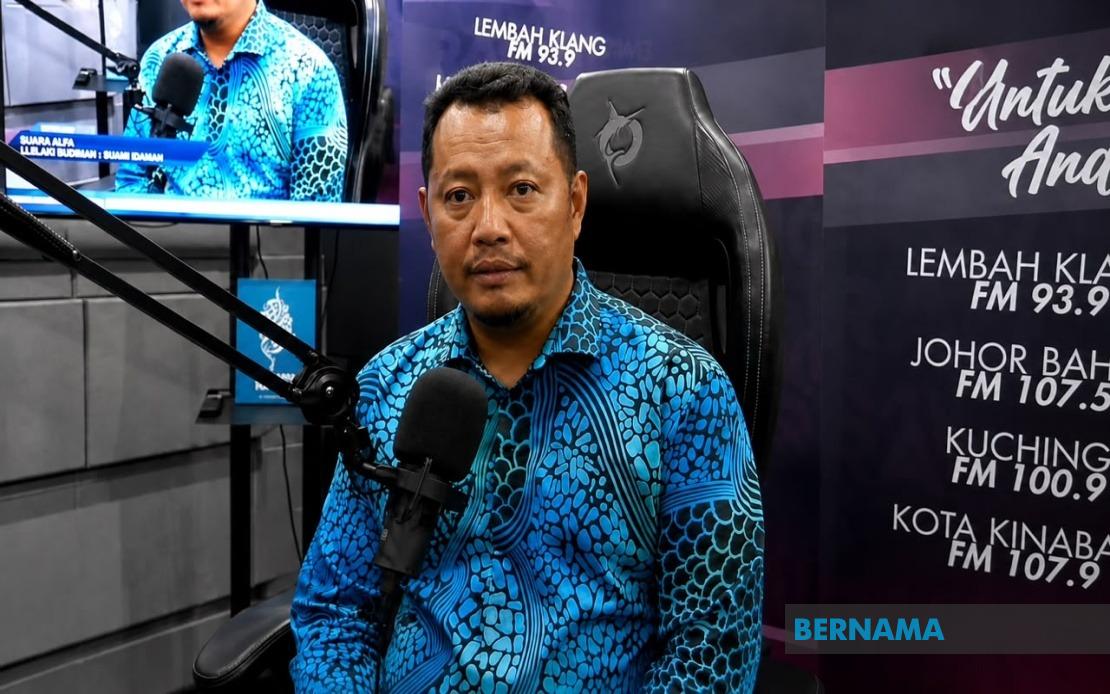
The foundation for raising responsible and conscientious men lies in deliberate parenting practices established during a child's earliest years, according to the National Population and Family Development Board (LPPKN). Speaking on a recent radio programme, Md Noh Saiman, chief assistant director of LPPKN's Counselling and Intervention Unit, stressed that the characteristics of a well-rounded gentleman require continuous cultivation from infancy through the teenage years, equipping young males to become dependable family members and engaged community participants.
Md Noh emphasised that parental conduct and the domestic environment children experience form the cornerstone of this developmental process. Children internalize the behaviors they witness daily from their mothers and fathers, and these observations become embedded in their understanding of how to navigate relationships and responsibilities. The formative years represent a critical window during which young minds absorb values through observation rather than instruction alone, making parental authenticity and consistency far more impactful than rhetorical declarations about proper conduct.
The conventional understanding of masculinity and gentlemanly behaviour often remains narrowly defined as superficial politeness or romantic gestures. However, Md Noh articulated a broader conception encompassing genuine integrity, truthfulness, and the capacity to fulfill obligations motivated by inner conviction rather than external recognition or reward. This distinction matters significantly because it reframes masculine responsibility as intrinsic rather than performative, addressing a cultural tension where men may adopt courteous facades without embodying deeper ethical commitments.
A practical dimension of this expanded concept involves men actively participating in household operations and childcare responsibilities. Rather than viewing domestic support as ancillary or supplementary to employment, Md Noh presented shared household management as an essential expression of spousal partnership. When husbands engage meaningfully in family care tasks and household administration, they demonstrate to their children—both sons and daughters—that domestic contribution represents a fundamental aspect of adult responsibility and dignity.
This equitable household arrangement carries significant implications for women's personal development and professional advancement. When spouses receive robust support from their partners in managing domestic and childcare demands, they gain the psychological space and temporal flexibility to pursue career aspirations and personal growth with reduced burden. LPPKN's recognition of this connection between male support and female empowerment reflects contemporary understanding that family structures directly influence whether women can realise their potential across multiple life domains.
Beyond merely celebrating men who already display praiseworthy qualities, LPPKN's Lelaki Idaman Programme functions as an instrument for personal transformation, welcoming men earnestly committed to reshaping their values and conduct. This approach sidesteps judgment, instead framing positive change as achievable and worthwhile for individuals at any life stage. Md Noh noted that mature masculinity includes the capacity to receive critical feedback constructively, viewing correction as a pathway toward improvement rather than a personal affront, thereby fostering continuous self-examination and growth.
The digital ecosystem presents unprecedented challenges to traditional socialization processes. Social media platforms and online content disseminate competing and often contradictory representations of ideal male behavior, inundating both men and women with curated images that may bear little resemblance to sustainable relational practice. These digital influences shape expectations and aspirations regarding gentlemanly conduct, frequently emphasizing appearance and performative elements over substantive character development. Navigating this complex informational landscape requires conscious parental engagement and media literacy to help children distinguish between authentic virtues and digitally-constructed personas.
Md Noh positioned the cultivation of responsible masculinity as intrinsically linked to institutional strengthening of families themselves. Men who actively support their partners and approach family life with genuine commitment contribute measurably to household stability and harmony. This reciprocal relationship means that individual character development and family institutional health reinforce one another, creating positive feedback loops where stronger families produce more conscientious individuals who subsequently establish stronger families.
The Malaysian context adds particular weight to these considerations. As Southeast Asian societies navigate rapid urbanization, evolving gender roles, and competing cultural influences, establishing clarity about what constitutes positive male citizenship becomes increasingly important. The LPPKN's emphasis on early childhood socialization acknowledges that societal transformation occurs gradually through generational change, with today's parenting practices directly shaping tomorrow's social fabric.
For policymakers and community leaders, Md Noh's message suggests that initiatives aimed at strengthening family structures and male engagement in household responsibilities warrant sustained investment. Rather than viewing masculinity as fixed or determined, treating it as developable through appropriate support and modeling creates space for meaningful social progress. Public discourse that normalizes male participation in childcare, domestic management, and emotional labor contributes to reducing stigma and expanding possibilities for healthier family configurations.

