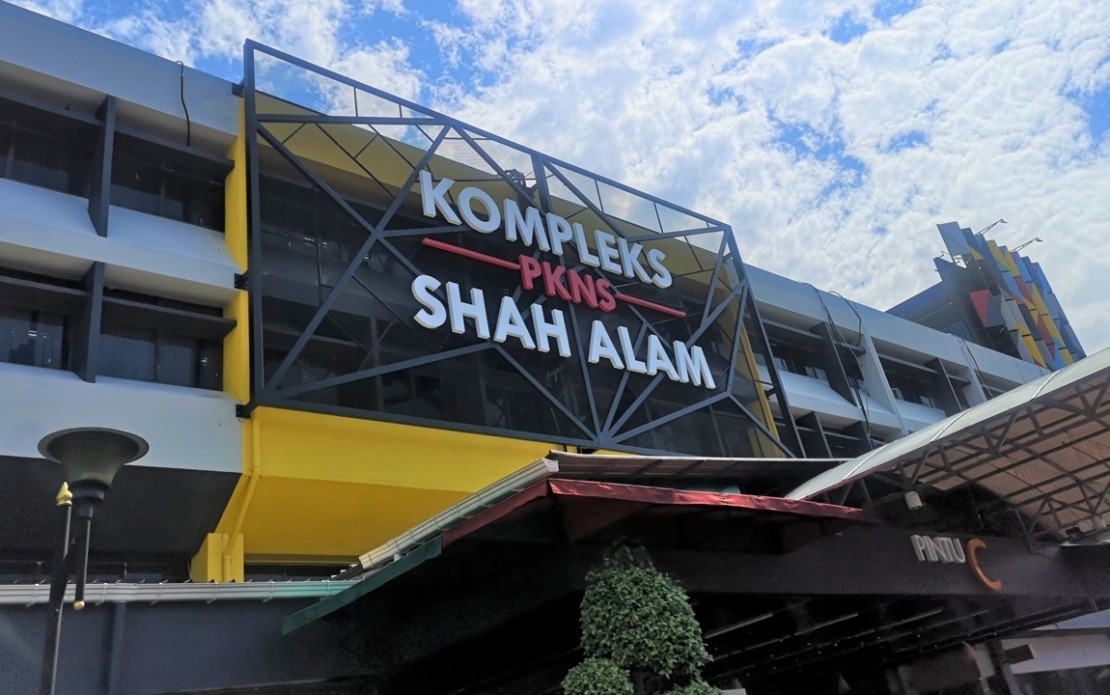
The Shah Alam PKNS Complex resumed its normal business operations on July 3 after being temporarily shut down the previous afternoon due to a fire incident, according to the Selangor State Development Corporation (PKNS). The facility reopened following completion of all mandatory safety inspections and procedural compliance, confirming that the premises met required safety standards before staff and visitors were allowed back inside.
The fire originated in the Air Cooled Package Unit panel situated within the Air Handling Unit room on the first floor, based on preliminary findings from the building's facility management team. This critical piece of air-conditioning infrastructure became a focal point for investigation, though the exact cause remains under review by the Selangor Fire and Rescue Department. The incident underscores the importance of regular maintenance protocols for mechanical systems in large commercial complexes, particularly in Malaysia's tropical climate where air-conditioning systems operate continuously and are subject to considerable wear.
In response to the emergency, PKNS implemented standard safety protocols immediately upon detection of the fire. The facility management team shut down electricity supply and air-conditioning systems in the affected zone as a precautionary measure to prevent further damage and ensure no electrical hazards remained. This controlled shutdown prevented the situation from escalating and demonstrated the effectiveness of having clear emergency response frameworks in place for commercial buildings.
The complex's emergency procedures proved effective when management activated the evacuation system for Phase 1 of the building via the public address system. This prompt action ensured an orderly and safe movement of occupants out of the potentially hazardous area. The rapid response reflected the importance of conducting regular fire drills and maintaining functional emergency communication systems that can reach all occupants simultaneously—something crucial for mixed-use commercial complexes where multiple tenants and daily visitors must be coordinated during emergencies.
Firefighters from the Selangor Fire and Rescue Department arrived at the scene and successfully contained the fire within a relatively short timeframe, preventing it from spreading to adjacent sections of the building. This swift containment was critical in protecting the broader facility and the businesses operating within it. Assistant Director of Operations for Selangor JBPM, Ashrul Riezal Asbar, confirmed that emergency crews had controlled the situation efficiently and that no injuries or fatalities occurred during the incident—a positive outcome that reflected both quick emergency response and the effectiveness of the building's evacuation procedures.
The incident highlights several lessons relevant to Malaysia's commercial real estate sector. The PKNS Complex, as a major commercial hub in Shah Alam, serves as a focal point for numerous businesses and daily foot traffic. When such facilities experience disruptions, the ripple effects extend beyond the immediate building to the broader economic ecosystem of Selangor's business district. The relatively brief closure and quick return to operations minimized disruption to tenant businesses and the commercial activities that depend on the complex.
From a property management perspective, this incident underscores the necessity for comprehensive maintenance schedules for mechanical and electrical systems in large buildings. Air-conditioning units in Malaysia, operating year-round in high-humidity conditions, require vigilant oversight to prevent electrical faults and potential fire hazards. Building owners and facility managers across the region should view this incident as a reminder to review their preventive maintenance programs and ensure technicians are equipped to identify warning signs before emergencies occur.
The ongoing investigation by the Selangor Fire and Rescue Department will likely yield additional insights into whether this was an isolated mechanical failure or a symptom of systemic issues within the air-handling system. The findings from this investigation may inform safety recommendations not just for PKNS but potentially for other similar commercial properties throughout Selangor and the broader Klang Valley region. Such investigations are valuable for the entire facilities management community in Malaysia.
For tenants and regular visitors to the Shah Alam PKNS Complex, the incident and swift recovery should provide reassurance that the property management takes safety seriously and has functional emergency protocols. The transparency in confirming safety measures were met before reopening also demonstrates accountability to stakeholders. In an era where commercial confidence hinges partly on perceived safety and operational reliability, such clear communication helps maintain business continuity and tenant confidence in the facility.
Moving forward, the complex management may consider additional enhancements to its safety systems based on lessons learned. This could include upgraded monitoring systems for mechanical equipment, enhanced fire detection capabilities, or additional training for facility staff. The incident, while minor in terms of casualties and damage, provides an opportunity for continuous improvement in emergency preparedness and risk mitigation across Malaysia's commercial real estate sector.

