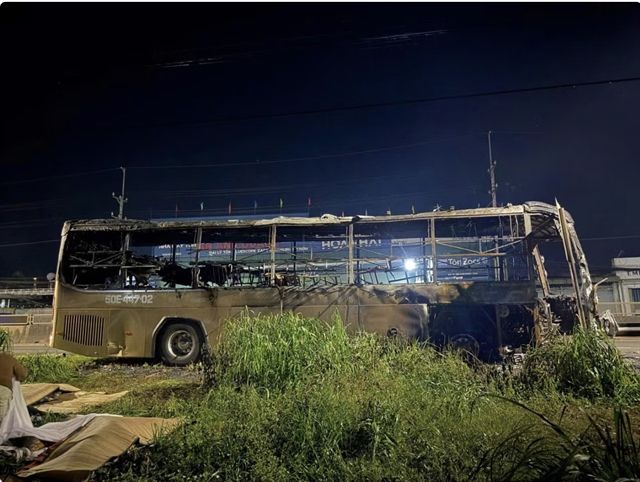
A sleeper bus erupted in flames on National Highway 1 in southern Vietnam's Hung Thinh Commune in the early hours of the morning, resulting in the deaths of seven passengers and raising fresh concerns about road safety on the country's highways. The vehicle, operated by 41-year-old driver Tran Thanh Hai from Khanh Hoa Province, was heading towards Ho Chi Minh City from Dong Nai when the disaster unfolded at approximately 2.30am. The bus struck a roadside embankment, then collided with another earthen bank before the driver managed to halt the vehicle. Carrying 33 people including the driver, the bus quickly became a death trap when fire broke out at its front section and swept rapidly through the passenger compartment where most travellers were sleeping.
The speed at which the blaze consumed the vehicle proved catastrophic. While some passengers managed to scramble free as flames engulfed the bus, many others found themselves trapped within the metal frame as the fire spread with frightening velocity. Local residents living adjacent to the scene immediately responded to the emergency, rushing out with whatever firefighting equipment they could find—portable extinguishers and makeshift tools—in desperate attempts to contain the blaze before it became uncontrollable. Their efforts, though valiant, proved insufficient against the intensity of the conflagration. The flames had already gained too much ground, and within minutes the entire bus was consumed, reduced to a charred shell on the roadside.
Emergency services arrived at the scene after receiving distress calls, deploying firefighting units, rescue teams, and specialised equipment to tackle the inferno. By the time professional crews extinguished the fire and completed initial rescue operations, the bus had been almost entirely destroyed, with little remaining to salvage. Traffic in the vicinity was redirected to allow emergency personnel to operate without obstruction. The Hung Thinh Commune People's Committee confirmed preliminary casualty figures indicating seven fatalities, though investigations into the exact identities and circumstances of each death were ongoing. Several injured passengers were transported to Thong Nhat General Hospital, where they received treatment for burns and injuries sustained in the incident. At least one person with only minor injuries has already been discharged.
Authorities have cordoned off the accident site for forensic examination and technical analysis. Investigators are pursuing multiple lines of inquiry, including determining what triggered the fire, establishing the precise sequence of events that led to the embankment collision, and verifying witness accounts of the incident. The cause of the fire—whether mechanical failure, electrical malfunction, or another factor—remains under investigation. The driver's condition and role in the accident are also being examined as part of the comprehensive inquiry.
This tragedy marks the second major sleeper bus disaster in Vietnam within a seven-day period, intensifying scrutiny of safety standards and operating practices across the country's long-distance bus industry. Just one week earlier, on July 17, another sleeper bus veered off an expressway near Ha Noi after departing from Thien Cam beach in Ha Tinh Province, bound for Thai Nguyen in northern Vietnam. That bus overturned, claiming five lives and leaving dozens injured. The clustering of these serious accidents within such a short timeframe suggests systemic issues that extend beyond isolated incidents.
The recurrence of catastrophic sleeper bus accidents raises critical questions about driver fatigue management, vehicle maintenance standards, and regulatory oversight in Vietnam's transport sector. Sleeper buses, which allow passengers to rest in bunks during overnight journeys across Vietnam's extensive highway network, have become a popular and economical travel option. However, the design of these vehicles—with passengers resting in confined upper and lower berths while the bus navigates long distances—creates particular vulnerability during emergencies. Evacuation becomes difficult when occupants are sleeping or disoriented, and fires can spread rapidly through compartments designed for capacity rather than safety.
For Malaysian readers and Southeast Asian observers, these incidents underscore broader regional concerns about transport safety standards. Many Malaysians and other Southeast Asians regularly utilise similar sleeper bus services for budget travel throughout the region, making the safety implications directly relevant. The accidents highlight the importance of stringent vehicle inspections, mandatory driver rest periods, fire safety equipment standards, and passenger education about emergency procedures. Regional cooperation on transport safety standards could help prevent similar tragedies across the Association of Southeast Asian Nations.
The immediate aftermath of the fire saw emergency services stretched in managing both the fatalities and the injured. Hospital staff at Thong Nhat General Hospital faced a sudden surge in trauma cases requiring specialised burn treatment and emergency care. The psychological impact on survivors, local residents who witnessed the tragedy, and first responders cannot be overlooked. Families of the deceased face the anguish of identifying loved ones and beginning the grieving process.
As Vietnam's authorities continue their investigation into both the July 17 overturning and this week's fire, pressure is mounting for concrete measures to enhance road safety. This may include stricter enforcement of speed limits on highways, more rigorous driver licensing requirements, enhanced vehicle inspection protocols, and potentially restrictions on sleeper bus operations during certain hours or conditions. The transport ministry faces calls to review and strengthen safety regulations across the entire sector. These developments will be closely watched not only within Vietnam but across Southeast Asia, where similar challenges persist in ensuring passenger safety on long-distance routes.

