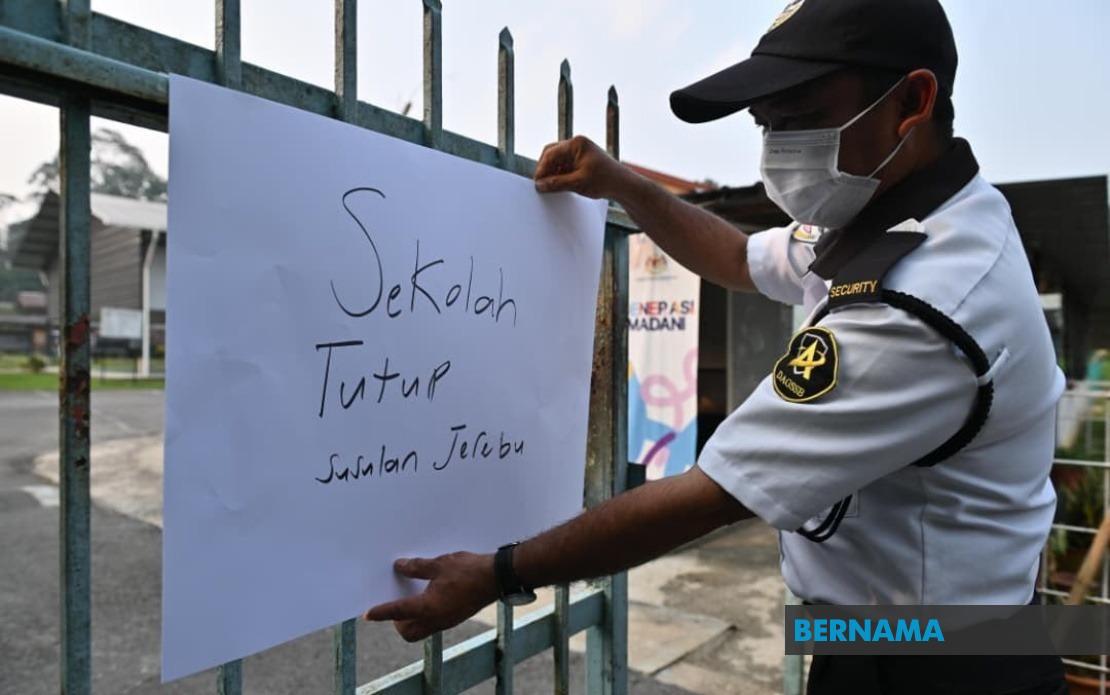
The Sarawak State Education Department has prolonged the shutdown of educational institutions throughout the Serian district for another day, with schools expected to remain closed through Friday. The decision follows discussions between the department and school administrators who oversee both primary and secondary institutions across the area, reflecting growing concerns about the deteriorating air quality affecting the region.
Officials cited the welfare of multiple stakeholder groups as the primary justification for the extension. Beyond the immediate health risks to students and staff, the closure aims to prevent operational strain on school administrators navigating emergency protocols while managing teachers' schedules and addressing the logistical complications families face—particularly for boarding school residents who require alternative accommodation arrangements during extended closures.
Serian experienced hazardous air conditions on Wednesday afternoon, with the Air Pollution Index reaching 178 according to the Air Pollution Index Management System. This reading places the district firmly within the unhealthy category, a designation that typically warrants precautionary measures to protect vulnerable populations including children, elderly residents, and those with respiratory conditions. Cross-border haze, originating from land-clearing activities in neighbouring regions, has become an increasingly familiar challenge for Sarawak's northern districts during certain seasons.
The Sarawak State Education Department has instructed all educational facilities to maintain active monitoring of air quality metrics through the Air Pollution Index Management System. Rather than implementing blanket policies, schools are expected to track pollution levels specific to their respective areas and districts, allowing for more localized decision-making that reflects actual conditions on the ground. This approach grants individual institutions some autonomy while ensuring they remain informed about real-time environmental developments affecting their communities.
The temporary closure represents a pragmatic response to immediate environmental challenges, though it also highlights the recurring nature of haze events in Sarawak. Cross-border pollution from neighbouring jurisdictions has affected the state with increasing regularity, creating disruptions to educational calendars and prompting questions about long-term solutions to seasonal air quality deterioration. For Malaysian educators and policymakers, the incident underscores the limitations of unilateral action when transnational environmental factors drive public health emergencies.
Parents and guardians in the Serian area have been advised to monitor official communications from the education department for any further updates regarding school reopening timelines. The department pledged to disseminate revised information as circumstances evolve, recognizing that air pollution levels can fluctuate significantly within short timeframes. This commitment to transparent communication helps families plan alternative childcare and work arrangements as the situation develops.
The closure affects a substantial student population across multiple institutions under the supervision of the Serian District Education Office, which coordinates responses with individual school management teams. By consulting directly with principals and headmasters rather than imposing unilateral directives, the education department acknowledged the specialized knowledge these administrators possess regarding their respective school communities and operational constraints.
Such disruptions carry broader implications for educational continuity and learning outcomes, particularly for students preparing for examinations or engaged in critical curriculum components. While short-term closures protect immediate health, cumulative instructional losses from repeated haze-related shutdowns can compound disadvantages for students in affected regions compared to peers in less vulnerable areas. This disparity raises questions about equitable access to education across Malaysia's diverse geographical landscape.
The situation in Serian reflects a wider regional challenge affecting multiple Southeast Asian nations during haze season. Indonesia's land-clearing practices have historically triggered air quality crises throughout the region, prompting diplomatic discussions and bilateral environmental cooperation initiatives. For Malaysia, the recurring nature of such events has prompted investments in air quality monitoring infrastructure and emergency response protocols, yet prevention remains constrained by factors beyond national borders.
Looking forward, educational leaders in Sarawak continue advocating for comprehensive regional solutions addressing the root causes of transboundary pollution rather than managing consequences through repeated closures. In the interim, schools will proceed with contingency planning that balances student safety with academic progression, utilizing online learning platforms and flexible scheduling where feasible. The extension to Friday provides breathing room for administrators to assess whether further closures remain necessary or whether conditions permit resumption of normal operations.

