The town of Serian is operating under a haze-induced strain this week, with residents navigating unhealthy air quality levels while attempting to maintain their ordinary rhythms. An Air Pollutant Index reading of 178 recorded at 4 pm on August 13 has placed the area firmly in the unhealthy pollution category, yet many residents continue their essential activities and livelihoods despite the deteriorating atmospheric conditions. The persistence reflects both necessity and resilience among the community, though the strain on commerce and public services is becoming increasingly visible as the haze settles over the region.
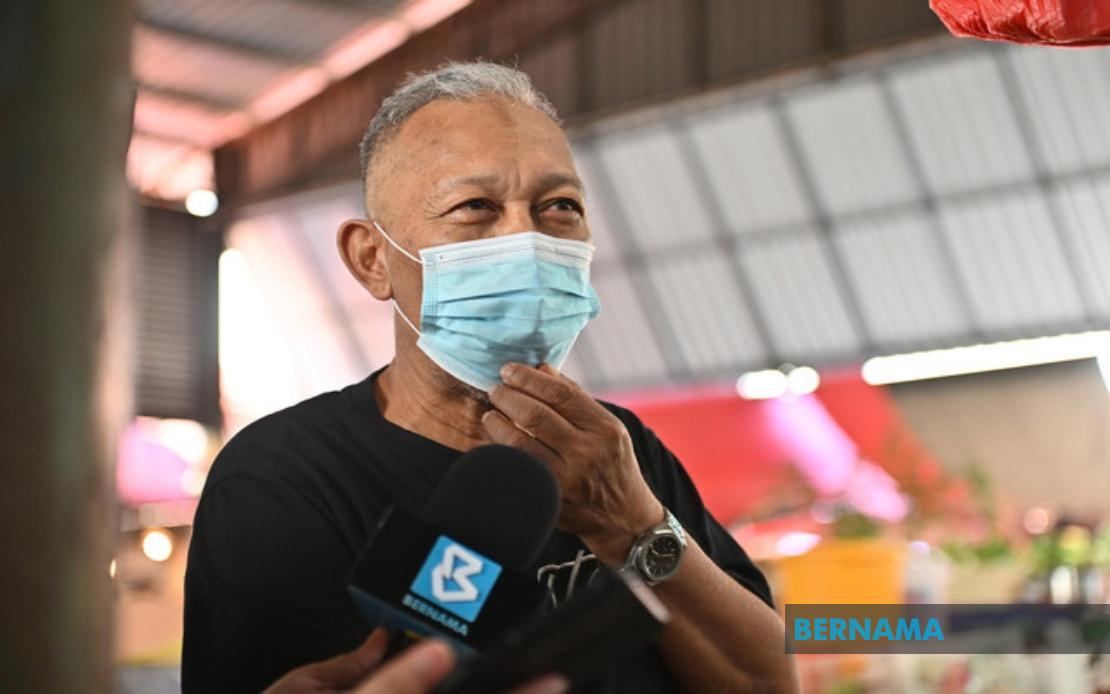
Local traders at Serian Tamu Market present a mixed picture of adaptation and concern. Many have adopted protective measures such as wearing face masks while attending to customers, a visible indicator of the health risks they perceive. Yet economic pressures compel them to remain operational. Vegetable merchant Asmail Kipli, 62, from Gedong, explained that despite a noticeable 30 per cent decline in both customer numbers and daily income over recent days, he continues his stall operations to meet rental obligations. His calculation is straightforward: the financial consequences of closure outweigh the health inconvenience posed by current conditions, though he has begun reducing other outdoor commitments as a precautionary measure.
The income impact on traders extends beyond mere inconvenience. For small business operators dependent on daily foot traffic, a 30 per cent revenue drop represents a substantial threat to their financial stability. Kipli's willingness to absorb this loss underscores the difficult position many Malaysian traders occupy—caught between health considerations and economic survival. His observation that residents appear increasingly reluctant to venture out unnecessarily provides broader context for understanding how haze affects community behaviour patterns. Even those who continue working are making conscious decisions to limit non-essential outdoor exposure.
Fruit seller Marina Latong, 53, is taking a more cautious stance towards prolonged haze exposure. She has already compressed her business hours, closing at 3 pm instead of her normal schedule, effectively surrendering afternoon trading to protect her health. More significantly, she has set a threshold for temporary closure: should the haze persist beyond the current level, she has determined that briefly suspending operations is preferable to continued exposure. Her contingency planning reflects both personal health consciousness and an acceptance that market conditions may force closure regardless of preference. Her decision represents a growing recognition among traders that air quality extremes can necessitate business suspension.
Beyond the commercial district, ordinary residents continue purchasing groceries and attending to household necessities, though their patterns have shifted subtly. Rather than browsing or lingering, people are executing errands with apparent efficiency—getting in and out of shops with minimal time in outdoor spaces. This behavioural adjustment occurs without formal restriction, emerging instead from accumulated decisions by individuals assessing personal and family health risks. The cumulative effect is a town that functions, but with reduced vitality and purpose.
The educational system has responded more decisively than the commercial sector. Authorities have implemented temporary closures affecting 107 schools across Serian, suspending operations from August 13 through Friday of that week. This measure prioritises student health by eliminating the requirement for children to travel to and from school or spend hours in indoor spaces with ventilation systems struggling against external pollution. School closures represent an official acknowledgment that the API reading of 178 constitutes a genuine public health emergency warranting institutional response. The decision also reflects established protocols in Malaysian education systems for managing seasonal haze events.
The closure of schools carries broader implications for working parents and household routines. Parents must arrange alternative childcare or adjust work schedules, creating cascading disruptions beyond education itself. Families with both parents employed face particular challenges in managing unexpected closures, while economic sectors dependent on stable workforce attendance experience additional strain. The three-day closure window represents a significant disruption to school calendars and teaching schedules, requiring coordination for missed curriculum content.
Serian's situation exemplifies the recurring challenge Malaysia faces during transboundary haze episodes. Unlike isolated weather events, haze events can persist for extended periods, creating cumulative economic, health, and social costs across affected regions. The town's response—individual traders adapting operating hours, residents adjusting outdoor activity, authorities closing schools—represents the patchwork of reactive measures that characterise Malaysian responses to seasonal air quality crises. Each response addresses immediate circumstances without fundamentally altering long-term vulnerabilities.
The health implications of prolonged exposure to API 178 readings warrant serious consideration. This classification places residents, particularly vulnerable populations including children, the elderly, and those with respiratory conditions, at significant risk of adverse health effects. The fact that many traders continue working despite these conditions reflects economic pressure rather than health safety, creating a situation where livelihoods potentially come at the cost of physical wellbeing. Public health messaging during such episodes must balance practical economic realities with genuine health guidance.
For Malaysian policymakers and regional observers, Serian's experience illustrates the limitations of localised responses to a transnational problem. Haze originates from sources across Southeast Asia, particularly from land clearing and peat burning in neighbouring regions. Individual Malaysian towns managing pollution through school closures and voluntary business hour reductions address symptoms rather than causes. Sustained improvement requires regional cooperation, enforcement of environmental regulations across borders, and investment in alternative economic practices that do not depend on biomass burning.
Looking ahead, Serian residents will likely continue their current adaptive patterns—working shorter hours, venturing out less frequently, accepting reduced commerce—until atmospheric conditions improve. The town demonstrates remarkable resilience in maintaining basic functions under unhealthy conditions. However, this normalisation of dangerous air quality, where traders accept 30 per cent income losses and schools close temporarily without major public upheaval, suggests a worrying acceptance of environmental degradation as an unavoidable feature of Malaysian life rather than a crisis requiring urgent intervention.

