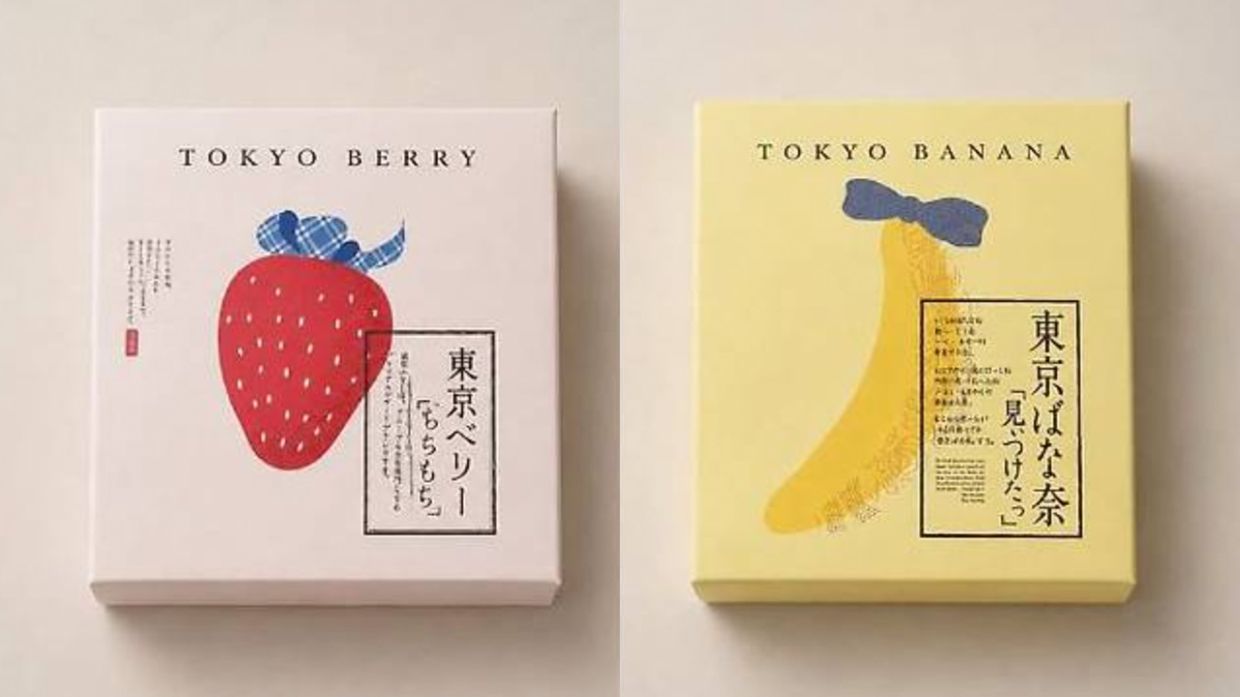
A recently launched South Korean dessert company has found itself at the centre of a packaging and branding row after consumers and retailers accused it of closely imitating Japan's established Tokyo Banana brand, a well-known banana-shaped sponge cake manufactured by Grapestone. The resemblance between Tokyo Berry's presentation and Tokyo Banana's distinctive design has sparked considerable debate across South Korean social media platforms, with observers questioning whether the similarities constitute a deliberate attempt to mislead consumers into assuming a connection between the two companies.
The controversy gained momentum after internet users began posting detailed side-by-side visual comparisons of the two brands' packaging materials on various social platforms, drawing attention to numerous design overlaps. These informal investigations by consumers proved influential enough to trigger immediate action from major retailers stocking the product. Lotte and Shinsegae, two of South Korea's largest department store chains, promptly announced the cancellation of all upcoming Tokyo Berry pop-up store locations after learning about the alleged similarities, effectively halting the brand's planned retail expansion strategy.
Tokyo Berry's marketing approach appears to have compounded public perception issues. The brand deliberately positioned itself through promotional messaging that referenced "capturing the flavours of seasonal fruits and the essence of Tokyo," language that critics argue was specifically designed to create an impression of Japanese authenticity and heritage. This marketing strategy, combined with the visual design choices, created a narrative among some consumers that Tokyo Berry was actually a Japanese product rather than a homegrown Korean venture. The revelation that Tokyo Berry is a Korean brand rather than a Japanese import transformed many consumers' perceptions from initial enthusiasm to feelings of deception.
The fallout has extended beyond mere packaging comparisons. Online discourse has also examined Tokyo Berry's internal wrapping materials, with several observers noting apparent similarities to packaging techniques employed by Hanjungsun, a premium Korean dessert brand renowned for its use of traditional hanji paper to wrap chapssaltteok rice cakes. This secondary allegation suggests that Tokyo Berry may have borrowed design and packaging elements from multiple sources rather than developing genuinely original presentation materials. The layered nature of these accusations has deepened the perception among South Korean consumers that the brand lacks creative integrity.
The intensity of negative sentiment online has forced Tokyo Berry into a public relations retreat. The company has restricted access to its Instagram promotional content, hiding previous posts from public view and disabling the comment function on remaining material. These defensive measures underscore the severity of the reputational damage the brand has sustained in a relatively short timeframe. For a newly established company seeking to establish market presence and consumer trust, such rapid deterioration in brand perception represents a significant setback.
Among South Korean internet users, the controversy has transcended simple product criticism and entered the realm of national pride. Some online commentators have described the situation as a "national embarrassment," reflecting broader sensitivities around intellectual property, creative authenticity, and international business relationships within Korean society. This emotional dimension suggests the issue resonates beyond consumer protection concerns and touches on deeper cultural anxieties about Korean brand reputation and integrity in international markets.
The Japanese side has not remained passive. Grapestone, which owns and operates the Tokyo Banana brand, has initiated a formal review process regarding the alleged infringement. Company representatives stated to local media that they have "shared the issue with the relevant department and are currently reviewing the details," indicating that potential legal action or formal complaints may follow. This measured response suggests Grapestone is considering its options carefully, likely consulting with intellectual property specialists before determining next steps.
The situation highlights enduring tensions in East Asian consumer goods markets regarding brand protection and design originality. Japan has long established strong intellectual property frameworks and enforcement mechanisms, while South Korean companies have historically competed aggressively in global markets. This particular case represents a friction point where Korean entrepreneurial ambition appears to have collided with Japanese brand heritage, creating diplomatic undertones beneath the surface commercial dispute.
For Malaysian and regional readers, the Tokyo Berry controversy offers instructive lessons about brand authenticity and market expectations in increasingly interconnected Asian economies. Southeast Asian businesses operating across borders must carefully navigate intellectual property sensitivities, particularly when marketing to consumers in countries with strong brand consciousness. The rapid mobilisation of consumer criticism and retailer response demonstrates how quickly reputational damage can accumulate in digital-age markets where information spreads instantaneously across social platforms, transcending physical boundaries.
The long-term implications for Tokyo Berry remain uncertain as investigations continue. Whether the company can rehabilitate its brand image through design modifications, transparent communication, or other corrective measures will depend on how stakeholders respond to forthcoming developments. The incident also raises questions about retail due diligence processes, as major department stores may face increased scrutiny regarding vendor selection and brand vetting procedures going forward.

