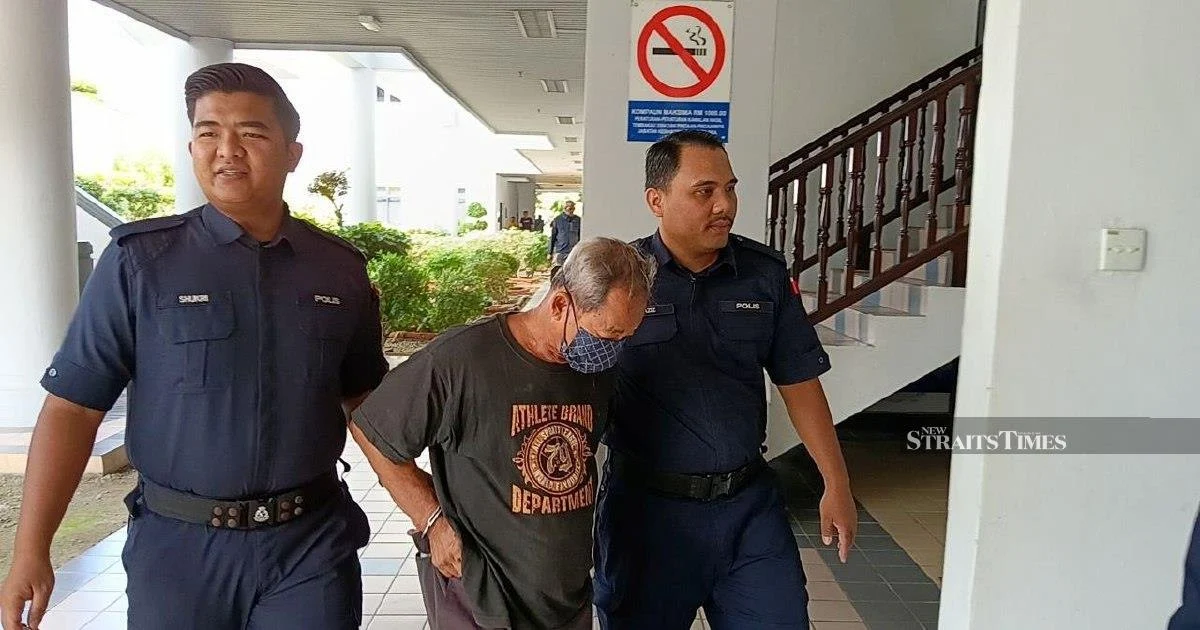
An elderly man appeared before Ayer Keroh Sessions Court in Melaka today to face dual charges stemming from allegations of physical sexual assault involving two primary schoolgirls. The charges represent a serious breach of trust within a community setting, specifically within the confines of a mosque storeroom where the alleged incidents reportedly took place. The court proceedings come amid ongoing national concerns about the safety of children in spaces traditionally considered sanctuary by Malaysian communities.
The specificity of the alleged location—a mosque storeroom rather than a more public area—underscores a troubling pattern that has emerged in recent years regarding abuse occurring in spaces where families place considerable trust. Mosques serve as pillars of community life across Malaysia, functioning not merely as places of worship but as focal points for social interaction, educational activities, and youth programmes. When allegations of assault surface within such environments, they resonate beyond individual cases, raising questions about institutional safeguarding protocols and visitor supervision practices that institutions have implemented.
Child protection experts in Malaysia have increasingly emphasised the vulnerability of young pupils in transition spaces within community facilities. Primary schoolchildren, typically aged between seven and twelve years old, represent a particularly vulnerable demographic when separated from direct adult supervision or placed in isolated areas of buildings. The mosque storeroom context suggests the alleged victim or victims may have been isolated from immediate oversight, a factor that often features in such cases and presents critical areas for institutional improvement moving forward.
The decision to proceed with charges reflects investigative work conducted by Malaysian law enforcement agencies, who have faced mounting caseloads involving crimes against children. Police investigations into such allegations require sensitive handling given the young age of potential victims and the need to gather evidence while protecting the psychological wellbeing of affected children. The progression to formal charges indicates that investigating officers determined sufficient evidence existed to proceed through the judicial system.
Malaysia's legal framework addressing sexual crimes against children has undergone several refinements in recent years, with legislation designed to provide stronger protections and harsher penalties for perpetrators. The Sessions Court jurisdiction indicates these charges fall within a category of seriousness that warrants hearing before a judge rather than a magistrate, reflecting the severity with which the legal system treats such offences. Conviction on such charges typically results in substantial custodial sentences, though exact sentencing depends on judicial assessment of evidence and circumstances surrounding each case.
For the families and communities directly affected by these allegations, the court process represents a difficult journey toward accountability and potential justice. Malaysian child advocacy organisations have highlighted how assault cases create lasting trauma that extends far beyond immediate physical impacts, affecting educational performance, social relationships, and psychological development. The judicial process, while necessary for accountability, requires victims and their families to navigate complex court procedures during an emotionally taxing period.
The case also raises considerations about institutional responsibility and duty of care. Community organisations hosting programmes, facilities, or activities involving children face important questions about staff training, background screening, and supervision protocols. Religious institutions, schools, and similar community spaces across Southeast Asia have increasingly recognised that implementing robust safeguarding measures represents a shared responsibility involving administrators, staff, volunteers, and parents. Many Malaysian organisations have strengthened their child protection policies in response to increasing awareness of risks, though enforcement and consistency remain areas requiring attention.
Parental vigilance and community awareness have become increasingly important in Malaysia's child protection landscape. Many families are becoming more cautious about which activities children participate in and which environments they access, particularly when adult supervision becomes diffuse or unclear. This heightened awareness, while sometimes creating anxiety, has contributed to greater reporting of suspected abuses and quicker intervention by authorities in some instances. The reporting mechanism itself remains critical—ensuring that concerns reach law enforcement promptly rather than being suppressed within community circles.
The Melaka case contributes to an ongoing national conversation about child safety that cuts across religious, socioeconomic, and geographic boundaries. Statistics from child welfare organisations indicate that a significant proportion of sexual offences against children involve perpetrators known to victims or their families, individuals occupying positions of trust within communities. This reality underscores why preventative measures must extend beyond stranger-danger messaging to encompass education about appropriate boundaries, institutional transparency, and effective reporting channels accessible to children and adults alike.
As the legal proceedings unfold, the outcome will likely influence discussions about institutional safeguarding policies within Malaysian mosques and similar religious spaces. Community leaders, administrators, and policy makers will monitor the case closely, considering what systemic improvements might prevent similar allegations. The balance between maintaining welcoming, inclusive community spaces and implementing necessary protective measures remains an ongoing challenge for Malaysian institutions of all kinds.

