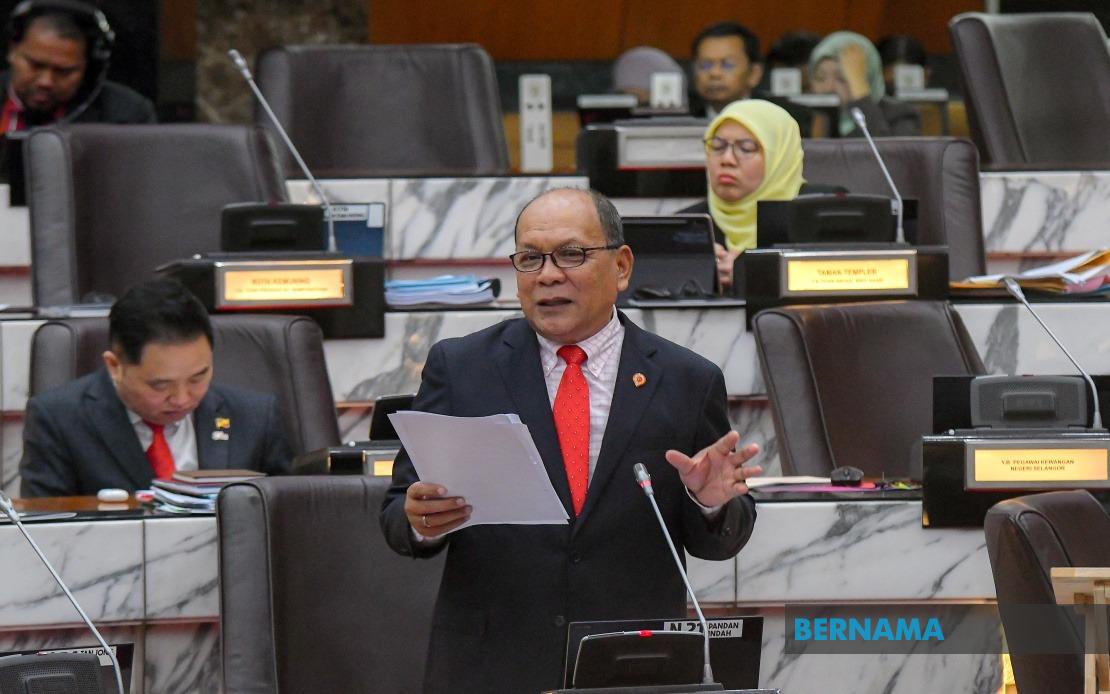
Selangor is grappling with a mounting crisis of vandalism and theft at its network of pump houses, infrastructure that forms the backbone of the state's flood management system. The problem has become sufficiently acute that repairs and replacements are now consuming up to RM400,000 of state resources annually, prompting urgent intervention from the Selangor government. The issue was highlighted during a State Legislative Assembly sitting when Datuk Izham Hashim, chairman of the Selangor Infrastructure and Agriculture Committee, disclosed the scale of the damage and outlined measures being implemented to curb further losses.
The compromise of pump house facilities carries implications well beyond simple property damage. These installations form essential components of Selangor's drainage and irrigation infrastructure, responsible for managing water flow during heavy rainfall and preventing flooding across residential and commercial areas. When vandals target these facilities or thieves strip valuable components, the operational capacity of the entire system degrades, leaving communities vulnerable during monsoon seasons and unexpected downpours. This vulnerability is particularly concerning given Selangor's dense urbanisation and the state's critical role as Malaysia's economic engine, where disruptions to essential services can cascade across the broader economy.
Datuk Izham revealed that the state government has escalated engagement with the Selangor police force to develop a coordinated enforcement strategy. This collaborative approach recognises that addressing the problem requires not merely infrastructure improvements but also active law enforcement presence at vulnerable facilities. Police resources and investigative capacity have been mobilised to identify perpetrators and establish a deterrent effect that discourages further criminal activity at these sites. The emphasis on partnership between government agencies and police signals a comprehensive response rather than reliance on any single intervention.
Central to the state's defensive strategy is the installation of closed-circuit television systems at affected pump house locations. CCTV deployment serves a dual purpose: it enables real-time monitoring of facilities to detect intrusions quickly, and it creates an evidentiary record that supports police investigations and potential prosecutions. Beyond surveillance technology, the Drainage and Irrigation Department and Public Works Department have been instructed to implement broader security enhancements across their respective portfolios of pump house infrastructure. These measures likely encompass improved fencing, lighting, and access controls designed to make these sites less attractive targets for opportunistic thieves or vandals.
The response from Jefri Mejan, the Ijok representative who raised the matter, reflected growing concern among elected representatives about the intersection of infrastructure vulnerability and flood risk management. His question specifically linked the pump house security problem to the incidence of prolonged flooding, drawing attention to how failures in one system cascade into broader community impacts. This framing underscores a critical reality for Malaysian policymakers: infrastructure resilience cannot be viewed in isolation. When critical flood mitigation equipment is compromised through vandalism or theft, entire populations downstream face heightened exposure to inundation and the associated economic and social costs.
The RM400,000 annual cost figure likely represents only direct expenses related to repairs and replacement of damaged or stolen components. Hidden costs are likely considerably higher. Operational disruptions translate into reduced flood control capacity during peak rainfall periods, potentially leading to expensive emergency response efforts, property damage claims, and disruption to economic activity. The cost of temporary water displacement, business interruption, and emergency services deployment during flooding incidents far exceeds the straightforward infrastructure repair budget. From this perspective, investment in pump house security represents cost-avoidance spending that delivers returns many times over through prevention of larger, more costly disasters.
The security initiative reflects broader vulnerabilities within Malaysia's critical infrastructure landscape. Many essential installations—water treatment facilities, electrical substations, telecommunications infrastructure—face similar threats from vandalism and component theft. The Selangor experience therefore offers lessons applicable across other states and sectors. The approach of combining physical security improvements, technological monitoring, and law enforcement coordination represents a replicable model that other state governments and critical infrastructure operators might adapt to their own circumstances. The problem is not unique to Selangor, suggesting that a statewide or even national framework addressing critical infrastructure security deserves consideration.
The timing of this intervention is particularly significant given Malaysia's climate vulnerability. Meteorological projections suggest intensifying rainfall patterns and more unpredictable weather behaviour across Southeast Asia, placing greater demands on existing drainage and flood management systems. Rather than diminishing the importance of pump house security, these trends heighten the urgency of protecting infrastructure that manages water flow during extreme weather events. Allowing criminal activity to degrade this infrastructure precisely when climate pressures are intensifying represents a dangerous confluence of policy failure and environmental challenge.
Moving forward, the Selangor government must sustain momentum on multiple fronts. Security installations require ongoing maintenance and technological updates as criminal methods evolve. Police enforcement must be consistent rather than episodic, establishing genuine deterrent effect rather than merely reactive response. Agency coordination across the Drainage and Irrigation Department, Public Works Department, and police force demands sustained commitment and resource allocation. Additionally, consideration should be given to community engagement strategies that build awareness of the public importance of pump house security and encourage reporting of suspicious activity. Local residents and businesses dependent on functional drainage infrastructure represent a potential resource for monitoring and information gathering.
The RM400,000 annual impact on state finances, while significant, pales in comparison to what could result from pump house failures during major flooding events. The Selangor government's acknowledgment of the problem and move toward comprehensive responses demonstrates administrative responsiveness to infrastructure challenges. However, success will ultimately depend on sustained execution of these measures and the political will to prioritise infrastructure protection alongside flashier development projects. For Malaysian readers and policymakers, the Selangor case serves as an instructive reminder that critical infrastructure resilience depends not only on engineering and investment but also on security discipline and cross-agency coordination.

