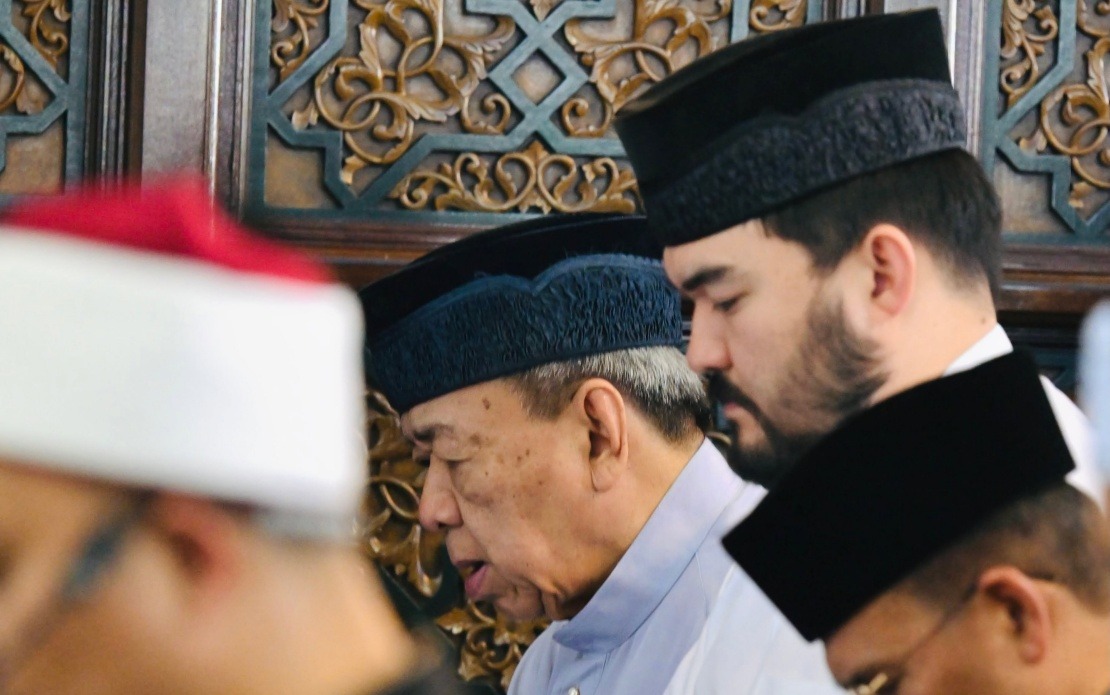
The Sultan of Selangor, Sultan Sharafuddin Idris Shah, has issued a call for Muslims across the state to embrace compassion towards animals of all kinds, from domestic strays to wild creatures, grounding his message in core Islamic values. The exhortation came as part of a coordinated Friday sermon delivered across Selangor's mosques on the theme of 'Ihsan Terhadap Mahkluk Allah SWT'—compassion towards Allah's creatures—with the Sultan emphasizing that the faithful should reflect deeply on these teachings and integrate them into their daily conduct.
The Sultan articulated a comprehensive vision of humanity's stewardship of the natural world, positioning animal welfare within the broader responsibility that humans carry as caretakers of creation. According to his statement released through the Selangor Royal Office's official channels, this custodial role encompasses far more than animals alone; it extends to plants, geographical features, waterways, and entire ecosystems. The Sultan framed these elements of the natural world not merely as resources to be exploited but as manifestations of divine power, deserving of protection and preservation as part of a sacred trust placed upon humankind.
Central to the Sultan's message is the relationship between humans and other creatures, which he stressed should consistently be built upon two foundational pillars: compassion and responsibility. This formulation moves beyond simple sentimentality, positioning animal care as an ethical obligation rooted in Islamic jurisprudence. The Sultan drew upon the historical example of Prophet Muhammad, emphasizing that Islamic tradition places remarkable importance on treating animals with kindness, whether through providing sustenance such as food and water or, at minimum, ensuring that no creature experiences unnecessary harm or cruelty.
For Malaysian Muslims, this message carries particular relevance given ongoing debates about animal welfare standards in the country. The Sultan's invocation of prophetic precedent provides religious grounding for contemporary animal protection efforts, potentially lending institutional weight to campaigns promoting humane treatment across agricultural, commercial, and domestic contexts. By centering these principles within the sermon framework distributed throughout Selangor's religious institutions, the Sultan has elevated animal welfare from a peripheral concern to a matter of core Islamic practice deserving regular spiritual reflection.
However, the Sultan acknowledged a significant practical reality that reflects tensions inherent in balancing animal welfare with human interests. He recognized that situations arise wherein wildlife may pose genuine threats to public safety or cause material damage to property and livelihoods. In such scenarios, Islamic jurisprudence does permit intervention and protective action to prevent harm, a principle rooted in Maqasid Syariah—the broader objectives underlying Islamic law. Within this framework, the protection of human life and property represents a legitimate priority that may necessitate action against dangerous wildlife, even where compassion toward animals would otherwise apply.
This nuanced position is particularly significant for Southeast Asian nations grappling with increasing human-wildlife conflict as urbanization encroaches upon natural habitats. In Malaysia specifically, conflicts between expanding human settlements and wildlife populations—including elephants, wild boar, and large carnivores—have created situations where authorities must balance conservation interests with immediate public safety concerns. The Sultan's articulation of a religiously-grounded middle path offers a potential framework for resolving these dilemmas in ways that satisfy both spiritual principles and practical necessity.
The Sultan's assertion that compassion toward animals and human safety protection need not be contradictory but rather represent complementary aspects of Islamic teaching represents a sophisticated theological position. Rather than presenting the two objectives as irreconcilable tensions requiring compromise, he argued that proper Islamic understanding integrates both concerns harmoniously. This perspective rejects false dichotomies that might pit environmental or animal welfare concerns against human interests, instead suggesting that authentic Islamic practice encompasses all these values simultaneously when properly understood and contextualized.
The Friday sermon initiative reflects a broader effort by Selangor's religious establishment to translate theological principles into practical moral guidance for daily life. By coordinating these messages across multiple mosques simultaneously, the Sultan's office ensured that the call for animal compassion reached a substantial cross-section of the Muslim population in the state, extending beyond those who might encounter the message through media reports or social media. This organizational approach indicates institutional commitment to embedding animal welfare into religious practice at the grassroots level.
The timing of this initiative occurs within a regional context where animal welfare increasingly features in public discourse, though often without explicit religious grounding. Many Malaysian animal welfare organizations operate from secular or humanitarian frameworks, while religious-based arguments for animal protection remain comparatively underdeveloped in public conversation. The Sultan's intervention thus serves to reclaim animal welfare as authentically Islamic terrain, potentially broadening the coalition of voices supporting stronger protections across the nation.
For policymakers and animal welfare advocates across Malaysia and the broader Southeast Asian region, the Sultan's message provides institutional religious validation for stricter animal protection standards. When senior religious authorities articulate that compassionate treatment of animals represents a central rather than peripheral Islamic value, it becomes considerably more difficult for opponents of welfare reforms to claim that enhanced protections conflict with religious tradition. This institutional backing could facilitate legislative and regulatory improvements affecting everything from agricultural practices to wildlife management protocols.
Looking forward, the implications of this message extend beyond Selangor itself. As one of Malaysia's most influential sultanates and a state with significant economic and political weight, positions articulated by the Selangor Sultan often resonate throughout the federation and influence discourse among the broader Muslim-majority population. Other state religious authorities may follow suit in emphasizing animal welfare themes, gradually building a more comprehensive religious consensus that animal protection constitutes an obligation rather than an optional refinement of Islamic practice.

