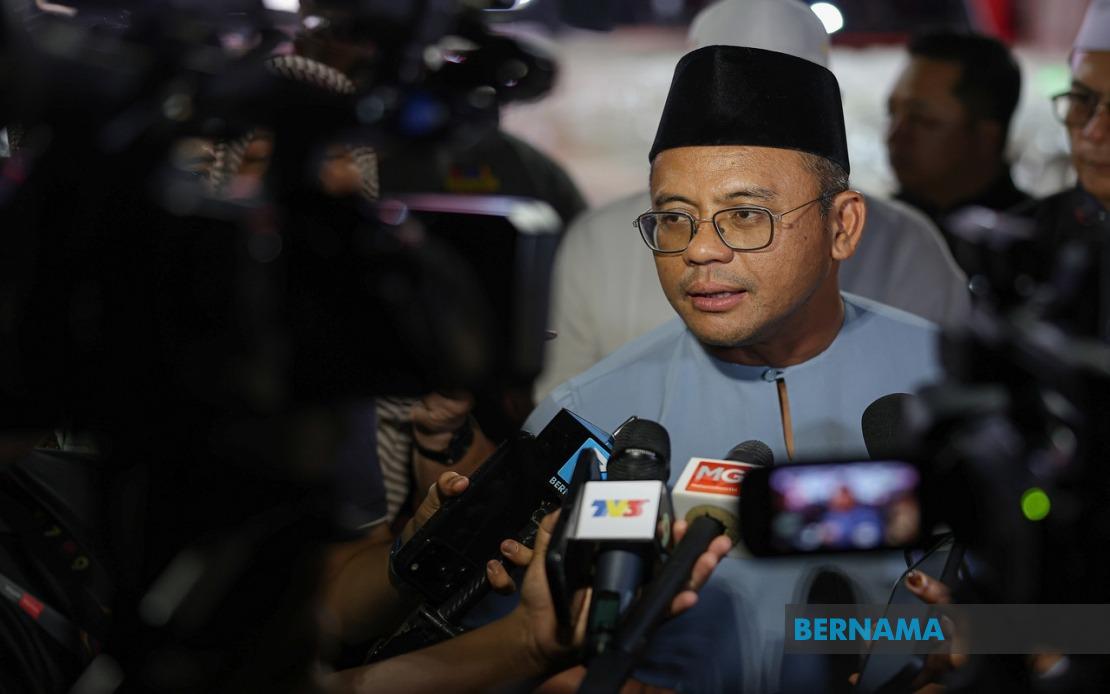
The Selangor State Assembly Speaker is poised to deliver a significant announcement on August 3 regarding allegations that have cast uncertainty over the continued tenure of a state assemblyman, Menteri Besar Datuk Seri Amirudin Shari confirmed on Wednesday. The decision comes after weeks of mounting speculation and internal government consultations about whether the legislator in question meets the constitutional requirements to hold his seat in the chamber.
Amirudin revealed that his office has been collaborating closely with the State Legal Adviser to examine the substance of the allegations before determining what steps should be taken next. This deliberative approach reflects the gravity of the situation, as eligibility challenges can fundamentally alter the composition of state legislatures and trigger costly electoral processes. The Menteri Besar emphasized that any pronouncement would emerge during the scheduled sitting of the State Assembly on the date mentioned, ensuring the matter receives formal and transparent treatment before the full chamber.
The investigation into the assemblyman's credentials has sparked considerable discussion within political circles across Malaysia about whether the legislator satisfies the eligibility criteria established under state and federal constitutions. Should the Speaker determine that the allegations have merit, the assemblyman's seat could be declared vacant, necessitating a by-election to fill the position. This potential outcome carries significant ramifications for Selangor's political balance and the composition of the state government.
For Malaysian readers tracking state-level politics, this development underscores the importance of constitutional compliance among elected representatives. Eligibility requirements for state assembly members typically encompass citizenship status, age thresholds, residency conditions, and freedom from legal disqualifications. Any breach of these foundational criteria can undermine the legitimacy of representation and necessitate corrective electoral action. The thoroughness of the legal consultation process being undertaken suggests that authorities are treating the allegations with appropriate seriousness rather than dismissing them out of hand.
The broader context reveals how state assemblies must balance operational continuity with constitutional integrity. When eligibility questions emerge, governments face pressure from multiple stakeholders—opposition parties seeking political advantage, constituents demanding clarity, and institutional frameworks requiring adherence to established rules. Amirudin's measured response, anchored in legal consultation rather than immediate action, reflects awareness of these competing considerations.
Selangor, as Malaysia's most populous state and economic powerhouse, carries particular significance when facing legislative disruptions. The state's political stability affects investor confidence, service delivery, and the smooth functioning of local governance. A by-election would impose administrative costs and temporarily divert political attention during what may be crucial periods for policy implementation or development initiatives. However, maintaining constitutional standards takes precedence over such operational conveniences.
The timing of the announcement during the August 3 assembly sitting ensures public and parliamentary scrutiny of whatever decision the Speaker reaches. This procedural transparency helps legitimize the outcome, whether it involves declaring the seat vacant or permitting the assemblyman to retain his position pending further proceedings. The assembly setting also allows opposition members and other legislators to respond immediately and seek clarification, preventing the announcement from becoming obscured by subsequent political commentary.
Political observers across Southeast Asia watch how Malaysian states navigate such constitutional matters, as they often establish precedents influencing how other jurisdictions handle similar disputes. Selangor's handling of this eligibility question may influence future interpretation of assembly membership standards across the region. The involvement of state legal advisers rather than purely partisan decision-making demonstrates institutional maturity, though critics may argue that legal processes sometimes reflect political preferences.
For constituents represented by the assemblyman in question, this uncertainty creates immediate concern about legislative representation and government responsiveness in their area. If a seat is declared vacant, constituent services may be compromised during the by-election period, and residents lose direct voice in state assembly deliberations. These practical impacts often receive less attention than high-level constitutional questions but significantly affect public perception of state institutions.
The investigation itself reflects broader patterns within Malaysian politics where eligibility challenges occasionally emerge through media reports or public allegations rather than through routine verification procedures. This reactive approach suggests that institutional mechanisms for continuous verification of assembly member credentials may benefit from strengthening. Implementing more robust ongoing compliance monitoring could potentially prevent such situations from developing into public controversies.
Looking toward August 3, Selangor's political actors have incentives to accept the Speaker's decision with grace, regardless of its direction. Contested outcomes could trigger legal challenges and deepen political divisions at a state level where cooperation between government and opposition remains essential for effective governance. The Speaker's announcement will likely conclude this particular chapter of the eligibility dispute, though any decision to declare a seat vacant would immediately commence the by-election machinery.

