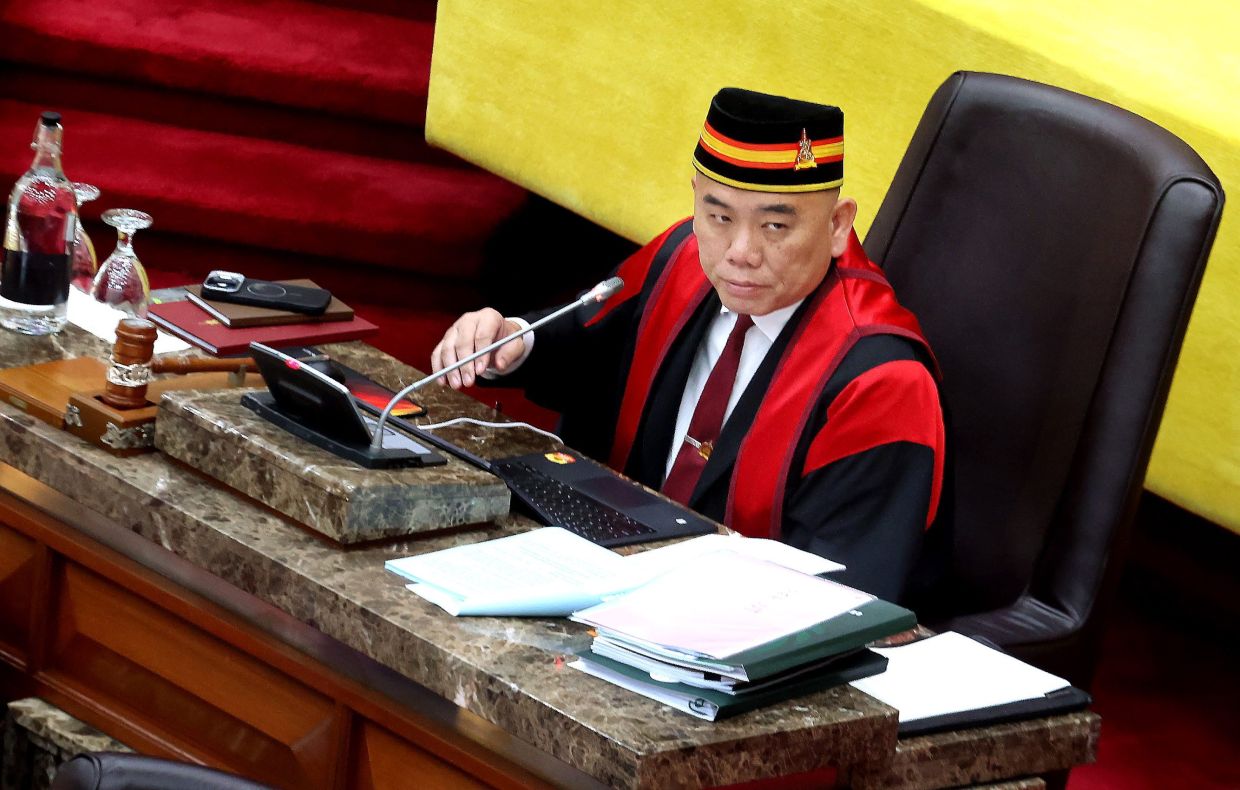
The Selangor state government has begun formal inquiries into claims that one of its elected representatives has faced personal bankruptcy, according to Speaker Lau Weng San, who cautioned that the investigation remains incomplete. Speaking during the Monday sitting of the Selangor State Legislative Assembly at Bangunan Dewan Negeri Selangor on August 3, Lau declined to reveal which assemblyman is under scrutiny, emphasizing that authorities must gather comprehensive information before making any definitive statements about the matter.
Lau's measured approach reflects the complexity surrounding potential consequences for the assemblyman involved. The Speaker indicated that any investigation findings would need to be evaluated by the Election Commission, which holds statutory authority over parliamentary representation vacancies. Should the bankruptcy allegations prove substantiated, the electoral body would then determine whether a by-election becomes necessary to fill any vacant seat, effectively transferring decision-making responsibility away from the state assembly.
The investigation is expected to be thorough and multifaceted, spanning multiple dimensions of the case. According to Lau, the probe will encompass representations from all affected constituencies and examine all relevant procedural and constitutional elements. This comprehensive approach suggests officials are taking the matter seriously and wish to avoid procedural errors that could complicate subsequent legal or electoral outcomes. The Speaker refrained from speculating about timelines, noting only that rushing to conclusions would be inappropriate given the gravity of the allegations.
For Malaysian readers, this situation highlights important provisions in state constitutions regarding parliamentary representation. Under the Selangor State Constitution, personal bankruptcy can potentially affect an individual's eligibility to serve as an elected representative, though the precise legal implications depend on relevant federal and state legislation. The bankruptcy question sits alongside other grounds for disqualification, creating a layered framework for assessing assemblyman eligibility.
The timing of this investigation also intersects with existing parliamentary protocols. When asked whether the unnamed assemblyman had been absent from the Monday sitting, Lau provided context suggesting that absence alone does not indicate wrongdoing. Legislators frequently miss proceedings for legitimate reasons, ranging from medical appointments to official duties elsewhere. This distinction matters because under established rules, an assemblyman's seat becomes vulnerable to vacation declarations only after six consecutive months of unexcused absence—a substantial threshold designed to prevent hasty action.
Lau's reference to the case of former Batang Kali assemblyman Harumaini Omar, whose seat was declared vacant on February 16, 2023, after exceeding the six-month absence requirement, provides instructive precedent. That case demonstrates how the institutional framework operates when representatives cannot fulfill their parliamentary obligations. The distinction between casual absence and grounds for permanent seat vacation reflects constitutional safeguards meant to protect legislators while maintaining assembly functionality.
For Selangor residents, this inquiry carries broader implications for legislative accountability and transparency. The state has 64 state assembly seats distributed across various districts, and the conduct of individual representatives directly affects constituent services and policy representation. A legislator facing personal financial crisis might struggle to adequately serve constituents, raising questions about fitness for office beyond purely legal considerations.
The bankruptcy question also resonates within Southeast Asia's broader governance context. Financial transparency and probity among elected officials remain priorities across the region, with many countries tightening rules around legislator conduct and disclosure. Malaysia has progressively strengthened such requirements, recognizing connections between personal financial stability and public accountability.
Lau's cautious public stance reflects appropriate institutional restraint before investigations conclude. Premature disclosure could prejudice impartial fact-finding or expose the state government to legal challenges if conclusions later prove unfounded. The Speaker's repeated emphasis on completing inquiries before drawing conclusions suggests officials recognize these risks. This measured approach, while potentially frustrating for those seeking immediate answers, protects both the assemblyman's rights and the integrity of the investigation process.
The involvement of electoral authorities represents a crucial safeguard in this process. The Election Commission serves as an independent body separate from partisan legislative machinery, theoretically insulating decisions about by-election necessity from political considerations. This institutional separation, while sometimes criticized for bureaucratic delays, provides important protection against using parliamentary rules as weapons in factional disputes.
For observers monitoring Selangor politics, this investigation also occurs within the context of the state's political configuration and demographic composition. Selangor represents Malaysia's second-largest state by population and a economically significant jurisdiction, meaning any parliamentary vacancy could trigger meaningful by-election campaigns reflecting broader state political dynamics.
The investigation underscores how Malaysian constitutional and parliamentary frameworks provide multiple layers for addressing representative fitness and eligibility. Rather than concentrating authority in a single body, the system distributes responsibilities among the assembly Speaker, electoral authorities, and potentially judicial institutions if legal challenges arise. This distribution, while sometimes appearing cumbersome, embeds checks against precipitous action that could undermine representative stability.

