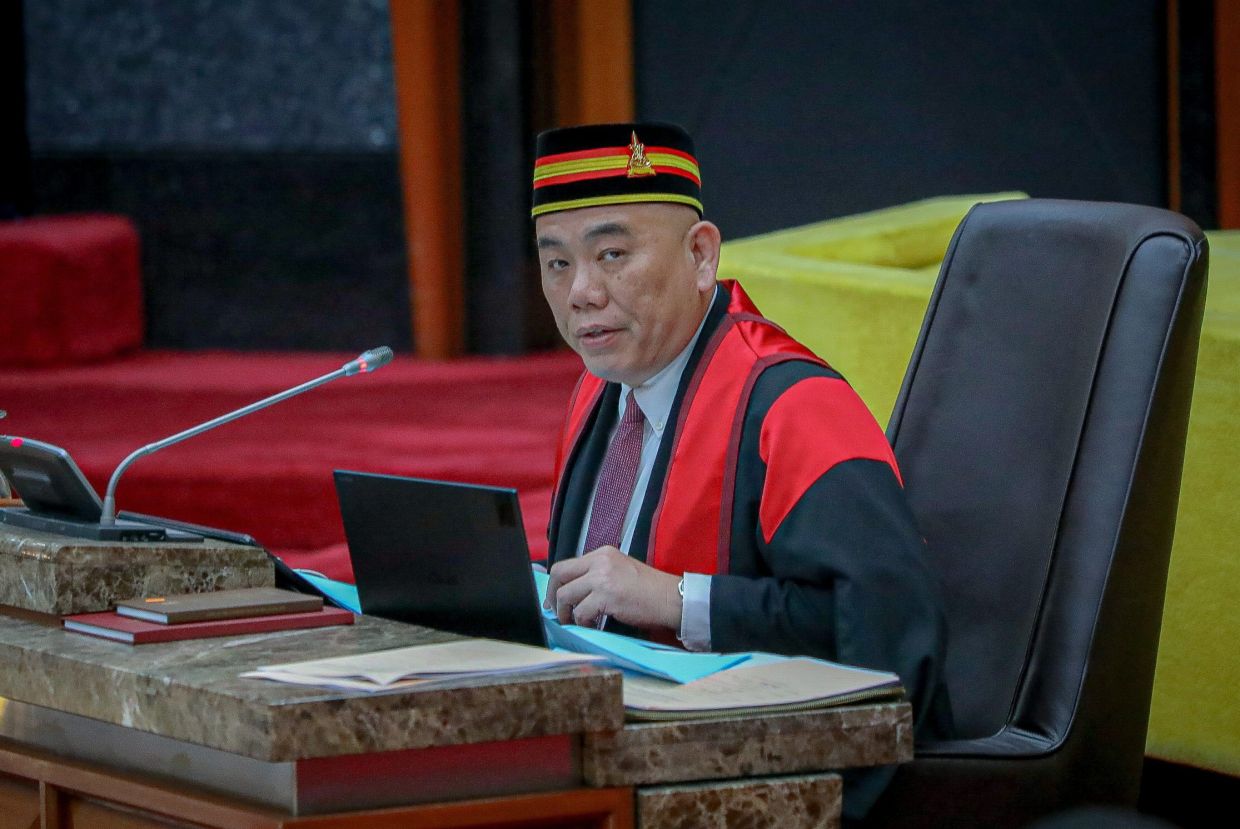
Speculation about potential by-elections in Selangor has been definitively quashed, with Speaker Lau Weng San announcing that a comprehensive review has cleared all state assemblymen to retain their seats. The inquiry, completed on August 10, examined every member across all political parties and uncovered no circumstances that would necessitate anyone relinquishing their position. The Speaker's confirmation came during a press engagement at the Selangor State Assembly complex in Shah Alam on Thursday, bringing closure to weeks of uncertainty about the composition of the legislature.
The stringent review process covered multiple dimensions of each assemblyman's qualification and standing. Rather than a cursory examination, the inspection was methodical and all-encompassing, involving direct consultation with the assemblymen themselves and examination of relevant documentation. This thoroughness reflects the seriousness with which the Speaker's office treats questions about legislative integrity and the continued validity of representatives' mandates. The findings represent confirmation that despite external scrutiny and public conjecture, the existing assembly membership remains intact.
The review was prompted by earlier uncertainty when a bankruptcy order issued against one state assemblyman raised the possibility that the person might be compelled to step down. Under Malaysian law, bankruptcy can trigger automatic vacation of elected office, a consequence that would have triggered a by-election in that particular constituency. However, the High Court subsequently reversed the bankruptcy order, eliminating the grounds for any such vacancy. The Speaker's comprehensive examination appears designed to ensure that no other hidden complications or disqualifying circumstances had escaped notice.
Beyond the question of seat vacancies, the Speaker also addressed the persistent problem of assembly member absenteeism, which has attracted periodic public criticism. Moving forward, the Speaker announced that a roster documenting which assemblymen are frequently absent will be made available through social media channels, introducing a degree of public accountability. This transparency measure reflects growing recognition that constituency representation demands regular participation in parliamentary proceedings, and that voters deserve to know whether their elected representatives are actively engaged in legislative duties.
The Speaker clarified that members wishing to absent themselves should formally notify the assembly secretariat through written communication. He highlighted the example of the Bandar Baru Klang representative, who had provided proper advance notice after undergoing surgical procedures and requiring medical recovery time—precisely the kind of justified absence that the new procedures accommodate. Most assembly sessions experience between three to five members absent, a rate that while modest, still represents missed opportunities for these representatives to advocate for their constituencies and engage with government policy.
Lau emphasised that while assemblymen possess no legal obligation to inform the secretariat of absences, the practical consequences of non-attendance are significant. Members who are not present cannot pose questions to the executive, receive clarifications on government programmes, advance constituent concerns, or contribute to policy discussions during the concluding speeches of legislative sessions. More broadly, consistent absence undermines the foundational principle that elected representation requires active engagement with the legislative process.
Notably, the Speaker indicated that state executive councillors and government representatives may choose to forgo responding to inquiries raised by assemblymen who were not physically present during the sitting, thereby conserving time for substantive engagement with members in attendance. This approach subtly penalises absence while acknowledging the practical constraints on parliamentary time. The Speaker further suggested that these discretionary responses might eventually encourage greater attendance discipline among members.
Recognising the demands on assemblymen's schedules, Lau urged members to exercise strategic time management by scheduling constituency work, community events, and other non-urgent commitments in ways that do not conflict with assembly sittings. He acknowledged that the state legislature meets only approximately three times annually, with each session lasting roughly two weeks or fewer. Given this compressed calendar, he argued that the burden on representatives to protect these sitting dates should not be excessive. Genuine emergencies—such as funerals requiring immediate participation in burial customs—remain understandable exceptions to the attendance expectation.
The Speaker also noted that even late arrivals are recorded as present if the member participates in any portion of the sitting, providing flexibility for unavoidable delays without penalising members unable to attend from the morning session's commencement. This pragmatic approach balances accountability with acknowledgment of realistic operational constraints. Additionally, assemblymen receive financial compensation for their attendance, with payments of RM200 for morning sessions and RM150 for afternoon sessions, offsetting some of the opportunity costs associated with legislative participation.
The Speaker's comprehensive address serves to reinforce the institutional importance of regular assembly participation while providing clear guidelines for members navigating leave requests and attendance obligations. For Selangor voters and political observers, the confirmation that all members retain their seats provides stability and certainty about the assembly's composition going forward. The announcement also signals that Selangor's legislative leadership is committed to maintaining both the integrity of the seat-holding process and the quality of parliamentary engagement.

