The Selangor state government is intensifying its push to reach non-pensioned Armed Forces and police veterans who remain unaware of or have not yet claimed their RM200 shopping vouchers under the 2026 Warriors' Day initiative, with the redemption deadline set for August 31. Officials are concerned that a significant portion of the eligible population may forfeit the benefit if awareness does not improve rapidly, prompting the state to relax administrative barriers and streamline the claims process.
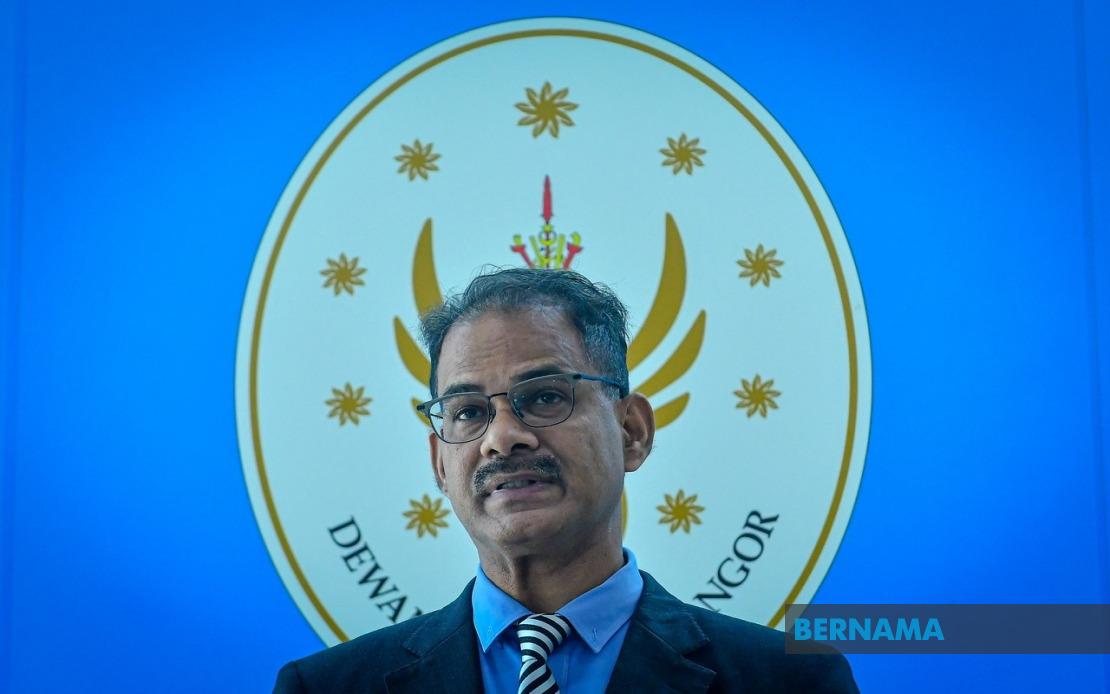
V. Papparaidu, chairman of the Human Resources and Poverty Eradication Committee, disclosed that uptake has been disappointingly low since the scheme commenced on July 29. Approximately 500 claims have been processed against a potential pool of 8,391 non-pensioned veterans identified as meeting the eligibility criteria. This represents a mere six per cent claim rate with less than four weeks remaining, raising questions about whether the state's communication strategy has adequately reached its intended audience across Selangor's diverse constituencies.
Papparaidu attributed the sluggish response partly to logistical challenges in contacting potential recipients. Many veterans have relocated or changed their telephone contact details in the years since their service ended, making direct outreach by government agencies difficult. The shifting demographics of the veteran population—with individuals moving between states or cities for employment and family reasons—has fragmented the traditional channels through which state authorities typically disseminate information about benefit schemes.
To overcome these obstacles, the Selangor government has deliberately loosened procedural requirements governing how vouchers can be claimed. Rather than insisting that named recipients personally present themselves at State Legislative Assembly service centres, officials now permit authorised representatives or immediate family members to collect vouchers on behalf of eligible veterans. This modification recognises the practical reality that some beneficiaries may be elderly, infirm, or geographically dispersed, making in-person claims administratively burdensome.
Papparaidu stressed that no formal application process exists for this initiative, as recipient lists were pre-determined through systematic verification rather than competitive selection. The Department of Veterans Affairs (JHEV) and the Royal Malaysia Police (PDRM) submitted comprehensive rosters of non-pensioned personnel meeting residency and service criteria. These initial lists subsequently underwent scrutiny by the Selangor Economic Planning Unit (UPEN) to ensure accuracy and prevent duplicate claims or inclusion of ineligible persons. State Legislative Assembly service centres then conducted final verification to confirm beneficiary details before vouchers were distributed.
The shopping vouchers, drawn from a total allocation of RM1.7 million, can be redeemed exclusively at participating supermarket chains throughout Selangor. Restrictions apply to the types of purchases permitted—beneficiaries may acquire essential daily necessities but are prohibited from using vouchers to buy cigarettes, alcohol, or items deemed non-essential. This targeted approach reflects the state government's intention to channel assistance toward meeting basic living costs rather than discretionary spending, thereby maximising the social impact of the expenditure.
For Malaysian readers, this initiative underscores the financial pressures facing veterans who receive no regular pension income, a category often overlooked in public discourse dominated by discussion of pensioned service members. Non-pensioned veterans typically served shorter engagements or held ranks that do not qualify for formal retirement schemes, yet they remain entitled to recognition of their contribution to national security. The RM200 voucher represents a modest but meaningful gesture, though it likely provides only temporary relief rather than addressing underlying economic vulnerabilities affecting this demographic.
The scheme also reveals broader challenges in welfare delivery across Malaysia's state governments. Despite maintaining comprehensive registries of eligible beneficiaries, authorities struggle to ensure universal awareness and participation, particularly among populations with limited digital literacy or irregular engagement with government services. The revised procedures allowing claims through representatives represent pragmatic adaptation, yet they also highlight the gap between policy design and implementation on the ground.
From a regional perspective, Malaysia's treatment of veterans reflects approaches common across Southeast Asian democracies, where governments balance fiscal constraints against social obligations toward retired military and security personnel. Selangor's approach—combining modest monetary benefits with targeted eligibility criteria—mirrors strategies employed in neighbouring countries facing similar pressures to provide veteran support within limited budgets. The state's flexibility in relaxing procedural requirements demonstrates adaptive governance, though it may also indicate that initial policy design did not adequately account for the realities of reaching dispersed, ageing beneficiary populations.
Authorities anticipate that public announcements and media coverage will help accelerate claim rates in the final weeks before expiry. Papparaidu emphasised that the state government views the initiative not merely as fiscal transfer, but as symbolic recognition of the debt owed to those who have served in uniform. Whether this messaging resonates sufficiently to drive meaningful increases in claims by August 31 will serve as an important indicator of how effectively Malaysian governments communicate welfare benefits to hard-to-reach populations. The shortfall in uptake, if it persists, may prompt reflection on whether similar schemes require earlier launches, extended deadlines, or more intensive localised outreach through community and veterans' organisations.

