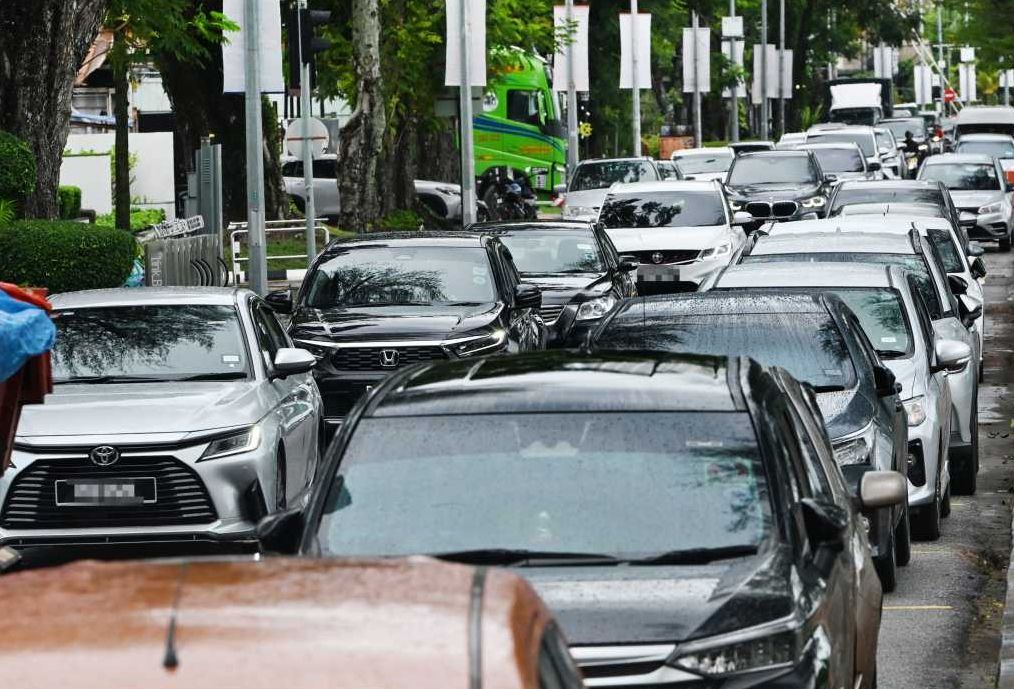
A cyberattack on Selangor's Intelligent Parking system has triggered calls for comprehensive public disclosure from Petaling Jaya MP Lee Chean Chung, who insists state authorities must answer difficult questions about the breach and its consequences for the public. The security incident has reignited broader concerns about the wisdom of outsourcing critical digital infrastructure to private operators, particularly when citizens' personal information is at stake.
Lee has outlined four specific areas demanding official explanation: the underlying cause that allowed hackers to penetrate the system's defences, the full extent of personal data that may have been accessed or compromised, any financial damage incurred by the state or affected users, and the concrete steps the government is implementing to prevent similar incidents. Without satisfactory responses to these questions, he believes accountability mechanisms should be activated at the state legislative level.
Should the Selangor government prove reluctant to provide transparent answers, Lee has suggested that state representatives escalate the matter by requesting a formal public hearing conducted by the Selangor Select Committee on Competency, Accountability and Transparency. This would place the security breach under parliamentary-style scrutiny and force officials to defend their security protocols and operational decisions in front of elected representatives.
The risk of personal data compromise lies at the heart of Lee's concerns. The parking system collects sensitive information from thousands of daily users, including payment details and vehicle registration information. A successful cyberattack potentially exposes this data to criminal elements who could exploit it for fraud, identity theft, or other malicious purposes. The state government's responsibility to safeguard such information is not negotiable, regardless of contractual arrangements with private operators.
Lee's concerns extend beyond this single incident. Since July 2025, he has consistently challenged the fundamental model underpinning Selangor's parking system, arguing that outsourcing core digital infrastructure to private concessionaries represents a strategic misstep. Under the current arrangement, half of all parking revenue generated flows directly to the private operator, creating a financial incentive structure that may not align with public interest priorities.
This criticism reflects a broader ideological tension within Malaysia's digital governance landscape. The Federal Government has invested significantly in GovTech, an initiative designed to strengthen in-house digital capabilities within the public sector, reduce dependence on external technology vendors, and eliminate inefficient data silos that fragment government operations. Selangor's parking model appears to run counter to this national direction by deepening reliance on private sector operators for managing and deploying core systems.
The philosophical question Lee raises is whether states should be outsourcing control of essential digital infrastructure when the government is simultaneously trying to build domestic capacity and resilience. When citizens are required to supply personal information to government-linked systems as a condition of accessing public services, an implicit social contract exists: the government must treat that trust as sacred and ensure the highest standards of security and data protection. Entrusting these responsibilities to private entities introduces additional risk layers and potentially compromises accountability.
The Intelligent Parking system represents a common trend across Malaysian urban centres, where digital solutions are increasingly deployed to streamline services and boost efficiency. However, the security architecture supporting these systems deserves rigorous scrutiny. A cyberattack on parking infrastructure may seem less critical than attacks on healthcare or financial systems, but the principle remains identical: public systems handling citizen data must maintain fortress-level security standards. Any weakness invites exploitation.
For Malaysia's broader digital governance ecosystem, this incident carries lessons beyond Selangor. As more states and federal agencies contemplate outsourcing arrangement for digital platforms, the parking system breach serves as a cautionary reminder about the hidden costs and risks embedded in private concession models. Security incidents become exponentially more serious when they involve third-party operators managing sensitive personal information on behalf of the government.
Lee's call for transparency aligns with growing public expectations about government accountability in the digital age. Citizens expect clear, timely communication when security breaches occur, honest assessments of what was compromised, and credible evidence that corrective actions are being implemented. Opacity breeds mistrust and undermines confidence in government digital initiatives, making it harder for future projects to gain public acceptance.
The controversy also highlights the need for clearer governance frameworks around digital infrastructure outsourcing. Before awarding such contracts, governments should establish mandatory security standards, regular independent audits, transparent breach notification protocols, and meaningful penalties for operators who fail to meet security benchmarks. These safeguards protect both citizens and the government's reputation.
Moving forward, Selangor's response to this incident will set important precedents. Will the state government provide the transparency Lee demands, or will it treat the breach as a technical matter best resolved quietly behind closed doors? The public's right to know what happened, and the government's obligation to explain itself, should prevail over commercial considerations or operational convenience. Digital trust, once broken, takes considerable time and effort to rebuild.

