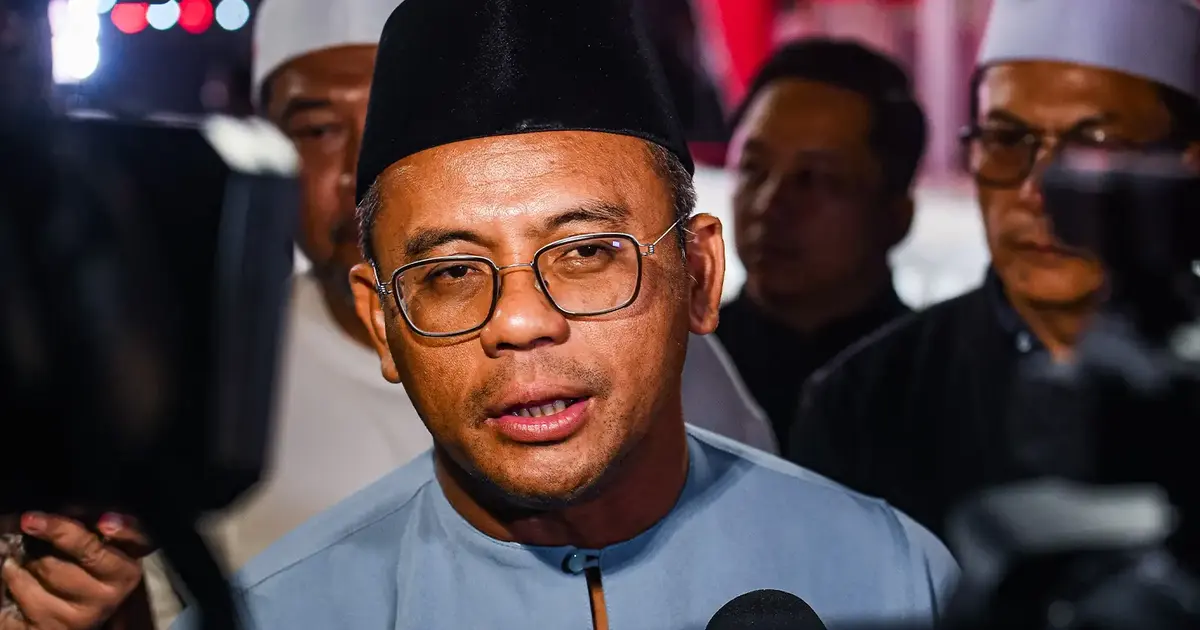
Selangor's administration has initiated a formal review to determine whether a by-election will be necessary following concerns about the eligibility of a sitting state representative. Menteri Besar Amirudin Shari disclosed the development during recent statements, indicating that the state government is taking the matter seriously and moving cautiously before making any definitive decisions.
The situation centres on allegations questioning whether the representative in question meets the constitutional and legal requirements to hold their elected position. Such eligibility matters are delicate in Malaysian politics, as they directly affect the legitimacy of representatives and the composition of state assemblies. Amirudin has indicated that clarity is essential before proceeding with any formal action that could trigger electoral procedures.
Amirudin's approach reflects standard practice in such circumstances. Before the Selangor government formally acknowledges any breach of eligibility criteria, the administration is obtaining specialist legal guidance to authenticate the allegations and understand their implications under Malaysian electoral law and constitutional provisions. This cautious methodology minimizes the risk of initiating unnecessary by-elections based on unfounded claims while ensuring that genuine eligibility issues are properly addressed.
The prospect of a by-election carries significant political weight in Selangor, Malaysia's most economically developed state and a crucial political battleground. A by-election would consume administrative resources, draw public attention, and potentially shift the balance of representation within the state assembly, depending on the outcome. Given the razor-thin majorities that often characterize state politics in Selangor, even a single seat can influence coalition dynamics and governance capacity.
Eligibility disputes in Malaysian politics frequently centre on residency requirements, citizenship status, mental capacity, criminal convictions, or other constitutional disqualifications outlined in the Federal Constitution and state electoral legislation. The specific grounds of the allegation remain unclear from available information, though such matters typically emerge through formal complaints or investigative journalism that prompts official examination.
For Malaysian observers, this situation underscores the ongoing tension between maintaining robust electoral integrity and protecting the stability of state governments. Regular eligibility challenges could theoretically lead to perpetual by-elections, yet ignoring genuine disqualifications undermines democratic principles. The Selangor administration's decision to seek specialized legal counsel balances these competing concerns by ensuring that decisions rest on solid legal foundations rather than political expediency.
The timing and context of such challenges matter considerably in Malaysian politics. Opposition parties have occasionally weaponized eligibility questions to destabilize opposing administrations, while governing coalitions sometimes overlook questionable qualifications within their own ranks. Amirudin's insistence on consulting legal advisers suggests an attempt to remove partisan considerations from the equation, establishing a process grounded in constitutional interpretation rather than political calculation.
From a broader Southeast Asian perspective, Selangor's situation reflects challenges common across the region's developing democracies. Maintaining clean, credible electoral processes while preventing their abuse as political tools remains a persistent dilemma. How Malaysia's states—particularly economically significant ones like Selangor—handle such matters influences broader perceptions of institutional strength and democratic maturity.
The legal consultation process will likely involve reviewing relevant provisions of the Federal Constitution, the Selangor State Constitution, and applicable electoral legislation. Legal advisers will examine whether the allegations constitute grounds for automatic disqualification or whether the matter requires formal adjudication through courts. The outcome of this legal review will determine whether the state government can dismiss the allegations or whether it must move toward initiating by-election procedures.
Stakeholders including opposition parties, civil society organizations monitoring electoral integrity, and the general public will watch this process closely. In Selangor, where political competition remains intense and coalition governments typically operate with narrow margins, any shift in representation carries implications for policy direction and executive stability. The transparency with which Amirudin addresses this matter could also influence public confidence in the state administration's commitment to upholding democratic standards.
The resolution of this eligibility question will establish precedent for how Selangor handles similar matters in future. If the allegations prove substantiated and a by-election proceeds, it demonstrates that even sitting representatives face accountability for meeting constitutional requirements. Conversely, if the legal review clears the representative, it provides reassurance that such challenges are not trivial or frivolous. Either outcome will carry significance for electoral governance in Malaysia's most dynamic state.

