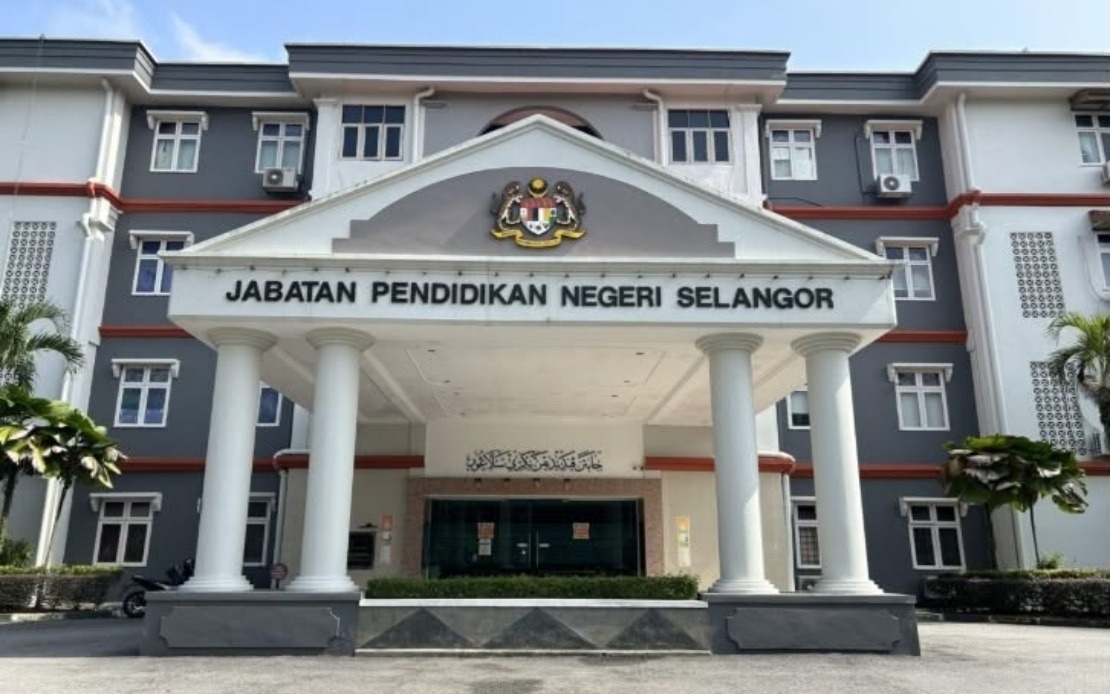
The Selangor State Education Department has pledged unwavering support for authorities investigating a bullying incident involving secondary school students in Rawang that sparked widespread concern after the alleged incident circulated across social media platforms. In a statement issued from Shah Alam, the department declared its readiness to facilitate the police-led inquiry without reservation, signalling the seriousness with which state education officials are treating the matter.
The incident has drawn considerable public scrutiny following its emergence online, reflecting broader societal anxieties about student safety within Malaysian schools. The viral nature of the case has intensified pressure on education authorities to demonstrate decisive action and accountability, making the department's public commitment to cooperation a significant move in managing both the investigation and public confidence in the education system.
Central to the department's stance is an explicit assurance that no participant will receive preferential treatment regardless of their background or circumstances. Officials emphasised that proportionate disciplinary measures would be applied strictly in accordance with existing regulatory frameworks governing student conduct and school administration. This position underscores the department's intent to prevent perceptions of favouritism or institutional protection, which could undermine public trust in the investigation's integrity.
The department's statement framed the matter as a fundamental issue of student welfare and institutional responsibility. By anchoring the response to existing misconduct protocols, the Selangor JPN positioned itself as a defender of educational standards while acknowledging that investigations must follow proper procedural channels. This approach balances the need for swift action with the legal requirements necessary to ensure findings can withstand scrutiny and potential appeals.
For Malaysia's education system, bullying incidents gaining viral prominence represent an increasingly common challenge. Social media amplification transforms isolated school incidents into matters of national concern, placing unprecedented pressure on state education authorities to respond rapidly and visibly. The Selangor case illustrates how digital platforms have fundamentally altered the dynamics of school management, requiring educational institutions to maintain crisis communication protocols and public transparency standards.
The police investigation running parallel to the education department's inquiry reflects the seriousness of allegations that may extend beyond disciplinary matters into potential criminal conduct. While details of specific charges or legal violations remain unclear, the involvement of law enforcement signals that authorities regard the incident as sufficiently grave to warrant investigation under criminal statutes, not merely school misconduct policies. This dual-track approach—simultaneous police and educational investigations—is now standard practice in serious bullying cases affecting Malaysian schools.
The department's call for public patience with investigative processes represents an attempt to manage expectations and prevent premature judgments that could prejudice outcomes. By encouraging restraint in public commentary, officials sought to create space for evidence gathering and witness statements to proceed without contamination from social media speculation or emotional public discourse. However, this request operates within a context where social media dynamics often outpace formal investigation timelines, creating tension between institutional procedures and public demands for accountability.
Rawang, situated within Selangor's densely populated suburbs, serves as home to numerous educational institutions serving diverse student populations. The prominence of this particular incident reflects not merely local concern but broader anxieties about the adequacy of safeguarding mechanisms within Malaysian schools. Parents across the state have become increasingly vigilant regarding bullying, harassment, and interpersonal violence among students, making the state education department's handling of this case a litmus test for institutional effectiveness.
The department's regulatory framework governing misconduct provides the formal foundation for responses to substantiated allegations. These regulations typically encompass warnings, suspension, and expulsion depending on violation severity, alongside provisions for rehabilitation and counselling. By explicitly referencing adherence to these frameworks, the Selangor JPN signalled commitment to proportionate responses rather than politically motivated overcorrections that might compromise fairness to accused students.
For educational administrators navigating these complex situations, the balance between institutional protection and accountability remains delicate. Transparency risks enabling social media justice movements that may distort facts, yet excessive secrecy invites accusations of cover-ups. The Selangor department's public positioning attempts this equilibrium, offering reassurance while preserving investigative confidentiality.
The incident underscores why Malaysian schools increasingly implement anti-bullying programmes, peer mediation systems, and mental health support structures. Education officials across states are recognizing that prevention through institutional culture change proves more effective than reactive discipline following serious incidents. The Rawang case provides opportunity for the Selangor education system to reinforce these preventive mechanisms while demonstrating that serious misconduct triggers meaningful consequences.
Moving forward, the investigation's outcomes will likely shape how the Selangor State Education Department calibrates its response to future incidents. Transparent communication regarding findings—alongside clear articulation of corrective measures—will be essential for restoring community confidence. The department's current cooperation pledge represents merely the investigation's opening phase; sustained commitment throughout the process will ultimately determine whether this crisis becomes catalyst for systemic improvement or another forgotten viral moment.

