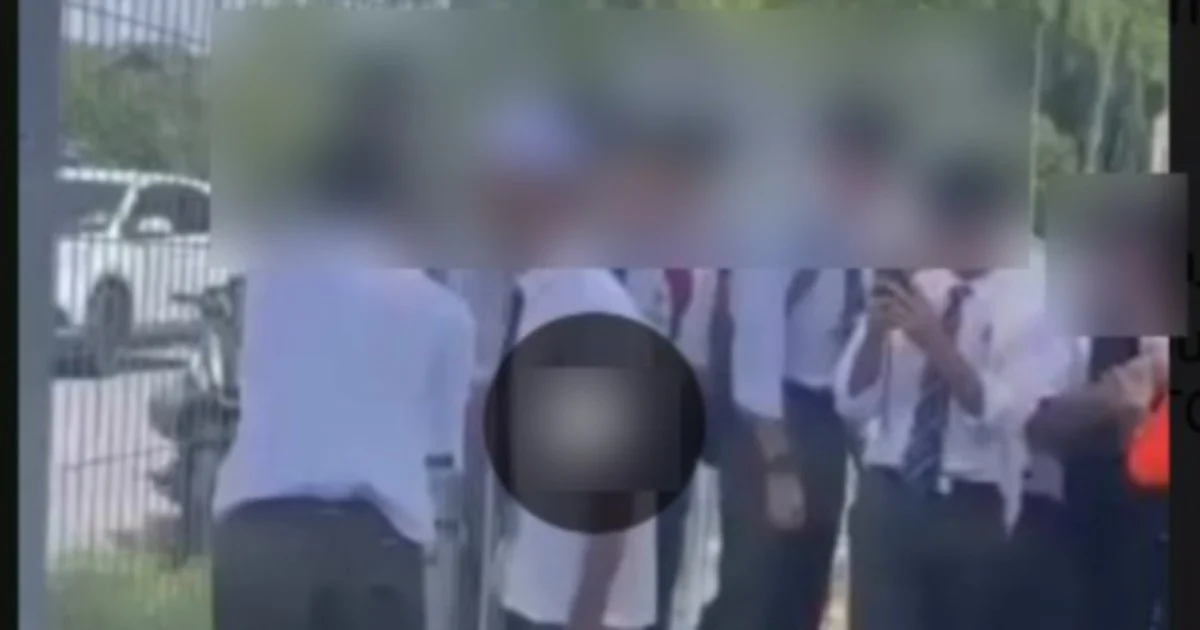
The Selangor Education Department has stepped in to assist law enforcement and school authorities in examining the circumstances surrounding a viral video that depicts a physical altercation between two male students at a school in Rawang. The incident, which gained significant traction across social media platforms, has drawn official scrutiny from state education officials who are coordinating efforts to determine the facts leading up to the confrontation and the wider context in which it occurred.
The emergence of such videos highlighting student violence has become an increasingly prominent concern across Malaysian educational institutions. When footage circulates online showing schoolyard fights, it raises important questions about student safety, school discipline systems, and the broader effectiveness of pastoral care mechanisms within educational settings. The rapid spread of such content through social media amplifies public concern and can cast schools and education departments into the spotlight, demanding swift and transparent responses from stakeholders.
The involvement of the Selangor Education Department signals an institutional commitment to taking the incident seriously and moving beyond initial social media speculation to conduct a thorough, evidence-based investigation. This coordinated approach represents standard protocol when concerning behavioural incidents occur on school premises, particularly those that have garnered public attention. School authorities typically work alongside state education officials to establish timelines, interview witnesses, review CCTV footage where available, and assess whether any policy violations or disciplinary matters require formal action.
Context matters significantly in understanding such incidents. Students engage in conflicts for varied reasons—ranging from personal disputes and peer pressure to bullying situations or momentary loss of control. The Education Department's involvement allows for a more comprehensive assessment that considers not merely the immediate physical altercation but also the underlying dynamics that may have contributed to the confrontation. This holistic approach enables educators and administrators to address root causes rather than simply administering punitive measures.
The viral nature of the video introduces additional dimensions that authorities must contend with. The rapid dissemination of such content can distort public understanding of events, as edited clips, partial footage, or accompanied commentary may not fully represent what transpired. Investigations must therefore distinguish between the complete picture and the narrative constructed through social media representation, ensuring that decisions regarding consequences are based on comprehensive evidence rather than incomplete or potentially misleading online versions.
For Malaysian schools and parents, incidents like this underscore the ongoing tension between student privacy protections and public accountability. While the Education Department and school must investigate thoroughly, they must simultaneously balance transparency with the need to protect the identities and welfare of the students involved. This becomes more complex when incidents have already achieved viral status, as the cat cannot easily be put back in the bag regarding public awareness.
The investigation likely encompasses several key areas of inquiry. Authorities will seek to establish the sequence of events leading to and following the confrontation, identify all parties involved, determine whether the incident represents an isolated occurrence or part of a pattern of behaviour by either student, and assess what role, if any, adult supervision or school management played in the situation. Additionally, they will examine whether the incident triggered any injuries requiring medical attention and whether appropriate first aid or duty of care protocols were followed.
From a disciplinary standpoint, schools in Selangor are expected to operate within the framework established by the Education Ministry's guidelines on student conduct. These protocols typically provide graduated responses depending on the severity of incidents, ranging from counselling and warnings through to suspension or expulsion in serious cases. The Education Department's involvement ensures that any disciplinary action taken will be consistent with established standards and that due process is observed, protecting both student welfare and institutional credibility.
Beyond the immediate investigation, this incident reflects broader systemic questions facing Malaysian education. Educators, administrators, and parents increasingly grapple with questions about how to cultivate school environments that are simultaneously structured enough to maintain order yet flexible enough to accommodate adolescent development and peer conflict resolution. The proliferation of student-generated video content and social media amplification means that minor incidents can rapidly become major public concerns, placing significant pressure on schools to demonstrate competent crisis management.
The cooperation between the Selangor Education Department and relevant authorities represents a positive step toward evidence-based resolution rather than allowing social media narratives to drive institutional responses. Such coordinated investigations provide clarity to concerned parents, reassurance to the wider school community, and crucial information for developing any preventative measures that might be warranted. For schools across Malaysia, cases like this serve as reminders of the importance of maintaining robust internal systems for addressing student conflict while remaining transparent with stakeholders about how such incidents are managed and what lessons, if any, emerge from them.
As the investigation proceeds, stakeholders should expect regular updates from official channels rather than relying on social media accounts, which often lack the nuance and verification standards that characterise formal institutional communication. The outcome of the Selangor Education Department's inquiry may inform broader discussions about student welfare, school safety measures, and digital literacy around the responsible sharing of school-related content.

