The Selangor government has pushed past the halfway mark in formally recognising the state's indigenous communities through an accelerated gazettement programme, with over 50 percent of the 74 listed indigenous villages already undergoing the official registration process. The initiative represents a significant step forward in affirming territorial rights and improving governance for these long-marginalised settlements across the state.
V. Papparaidu, chairman of Selangor's human resources and poverty eradication committee, articulated optimism that the work would yield tangible results before the year concludes, signalling the state administration's commitment to completing this foundational task. Speaking after attending the Jelajah Wanita Berdaya Tahan Selangor 2026 Zon Hulu Selangor gathering at Bukit Beruntung Golf and Country Resort on August 15, Papparaidu outlined the practical hurdles the state continues navigating whilst pursuing this recognition agenda.
A principal complication hampering progress involves competing land designations, with certain indigenous villages situated within areas officially classified as Malay reserved lands. These overlapping claims create a complex administrative and legal landscape requiring careful negotiation between multiple stakeholders. Rather than viewing these conflicts as insurmountable obstacles, the Selangor government has framed them as problems demanding collaborative solutions, with Papparaidu pledging to work alongside district officers to untangle these zoning disputes methodically.
Beyond the gazettement programme itself, the state is broadening its approach by pursuing the documentation and formal recognition of indigenous villages not yet listed on official registers. This expansion suggests acknowledgment that the current inventory may be incomplete, and that achieving comprehensive recognition requires identifying and including previously overlooked settlements. The dual-track strategy of accelerating recognition for known villages whilst simultaneously mapping additional communities demonstrates a more thorough commitment to inclusion.
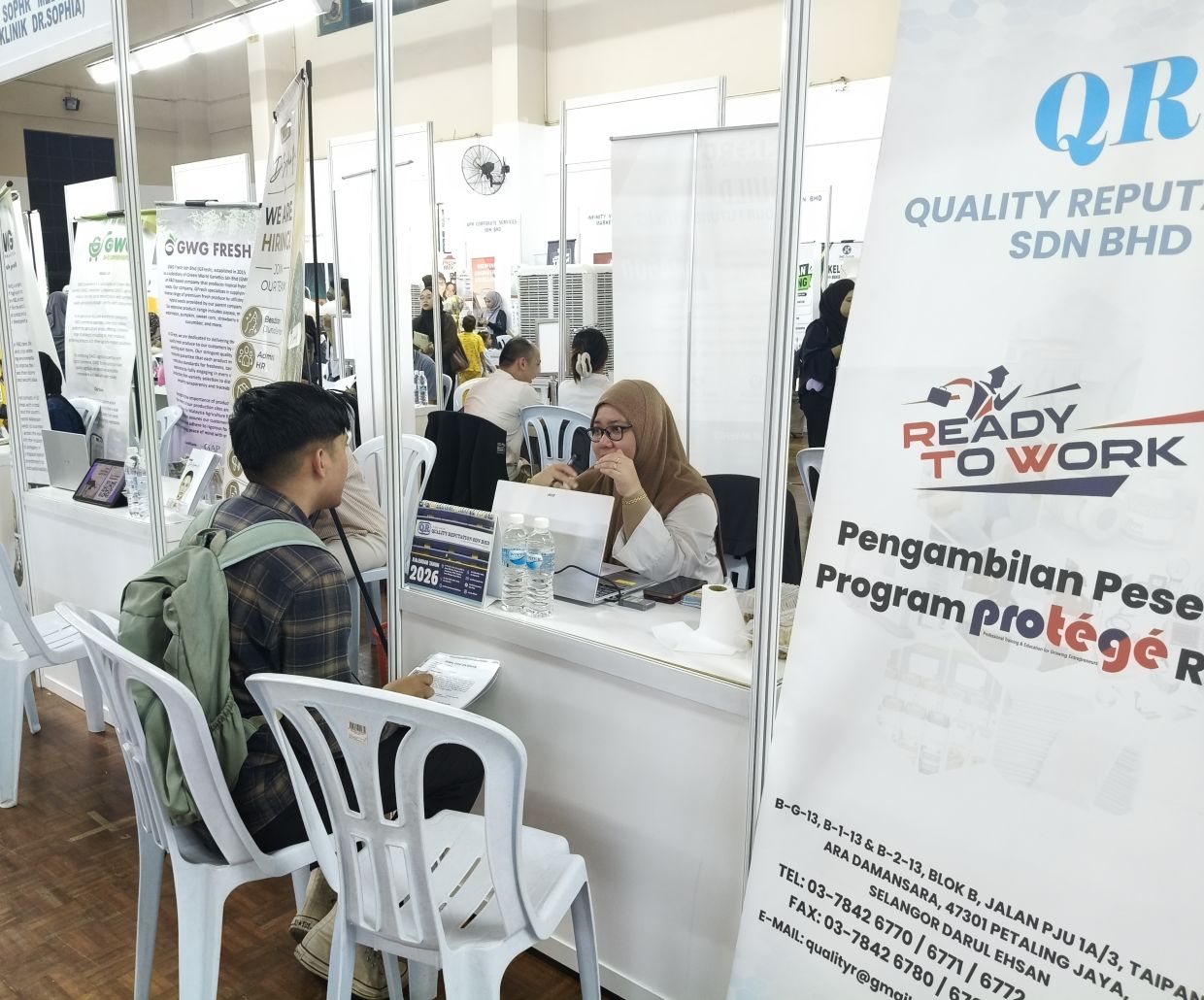
The Selangor government has begun connecting employment opportunities more systematically to its workforce development agenda. During the same event, the JobCare Selangor job carnival distributed 5,785 vacancies across 38 participating companies, with manufacturing accounting for the largest share at 2,560 openings. The geographical distribution saw 5,005 positions anchored within Selangor itself, whilst the remainder were scattered across neighbouring Perak and Negri Sembilan, reflecting the integrated economic landscape of the Klang Valley region and surrounding areas.
Compensation levels revealed by the carnival suggest improving market dynamics, with nearly two-thirds of advertised roles—specifically 63.56 percent—offering monthly remuneration exceeding RM2,500. For those pursuing management trajectories, the salary bands extended considerably, ranging from RM8,000 to RM10,000 monthly. These figures carry particular significance for the state's youth population and displaced workers seeking income stability, indicating that career advancement opportunities remain available across multiple tiers within the employment market.
Skills development has become a cornerstone of Selangor's economic strategy, with the state channelling resources through its Technical Skills Development Centre to equip younger cohorts with capabilities demanded by contemporary industries. The centre has begun addressing a distinctive challenge within the education sector itself: unqualified school teachers who entered the profession without formal tertiary credentials. Through a concentrated three-month diploma programme, approximately 20 to 30 educators have obtained a Malaysian Skills Certificate at level 4, the equivalent of a diploma qualification.
The significance of this initiative extends beyond simple credential acquisition. Many of these teachers originally commenced their careers immediately after completing secondary education, driven by immediate family or economic circumstances rather than career planning. By obtaining formal qualifications, these professionals unlock pathways to higher remuneration, addressing not only individual economic security but also potentially improving educational quality by retaining experienced practitioners with enhanced credentials. This approach acknowledges that workforce upgrading often requires targeted interventions responding to specific sectoral needs.
The carnival itself functioned as a multifaceted intervention hub rather than a conventional job fair. Beyond simple job matching, the event incorporated a career reinstatement programme specifically targeting mothers seeking to re-enter the workforce, delivered in partnership with Talent Corporation Malaysia Berhad. The Social Security Organisation simultaneously provided resume review services, addressing the practical barrier of professional presentation that often impedes employment access for non-traditional labour market participants.
These concurrent initiatives reflect a holistic understanding of employment barriers within Malaysian society. The state recognises that labour market participation involves not merely vacancy availability but also skill alignment, credential recognition, professional readiness, and targeted support for demographic groups facing particular obstacles. By layering multiple support mechanisms during a single event, Selangor has created a more comprehensive ecosystem for employment transition than traditional recruitment exercises provide.
The convergence of indigenous village recognition with employment expansion and skills development speaks to a broader policy philosophy within Selangor's current administration. Rather than treating these as disconnected initiatives, the state appears to view them as complementary components of a broader inclusive development framework. Indigenous communities benefit not only from land recognition and territorial security but also from improved access to economic opportunities and skills training, addressing both historical injustices and contemporary livelihood challenges simultaneously.
For Malaysian policymakers and regional observers, Selangor's multifaceted approach offers instructive lessons about integrated development programming. The state demonstrates that effective governance requires coordinating efforts across traditionally siloed domains—land rights, employment, skills, and social protection—to maximise cumulative impact on vulnerable populations. As other Malaysian states and Southeast Asian jurisdictions grapple with indigenous rights recognition and employment challenges, Selangor's methodology merits closer examination as a potentially replicable model.

