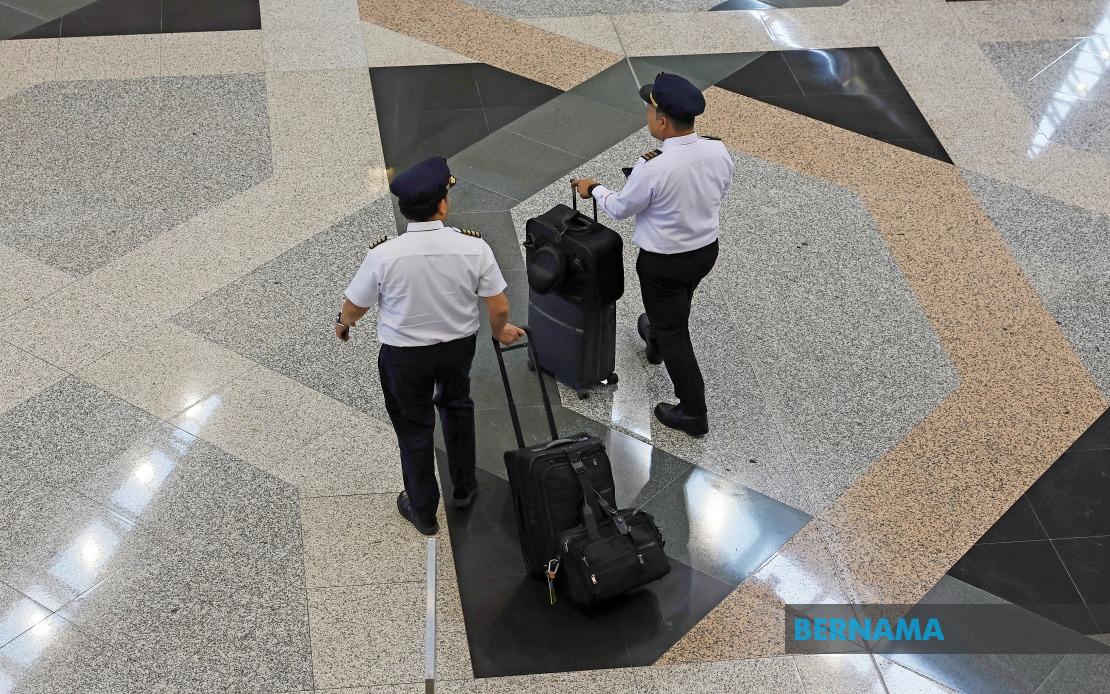
The arrest of a Malaysian pilot at Jakarta's Soekarno-Hatta International Airport on drug-smuggling allegations has triggered fresh calls for a comprehensive security audit at Kuala Lumpur International Airport. Tan Sri Lee Lam Thye, chairman of the Alliance For A Safe Community, has publicly urged relevant authorities to scrutinise existing screening protocols following the incident, in which the 39-year-old pilot was detained after authorities allegedly discovered 25 kilogrammes of drugs in his possession at Terminal 3 of the Indonesian airport.
While maintaining that the accused pilot should be presumed innocent until proven guilty through formal legal proceedings, Lee highlighted the troubling implications the case presents for Malaysia's aviation security framework. His intervention reflects broader concerns within civil society about whether established safeguards are sufficiently robust to prevent prohibited items from entering the aviation system at origin points. The incident raises uncomfortable questions about how such a substantial quantity of contraband could potentially have passed through initial screening procedures without detection.
Lee's central argument centres on a critical vulnerability: the apparent ease with which airport personnel or flight crew members might circumvent standard security protocols. He specifically questioned how the pilot managed to clear security screening at KLIA if the suspected narcotics were indeed present in his possession at the time of departure. This query strikes at the heart of systemic security architecture, suggesting that either detection equipment malfunctioned, screening procedures were inadequately applied, or personnel failed to exercise due diligence during the inspection process.
The aviation industry occupies a unique position within global security frameworks, as personnel with airside access require background checks and ongoing vetting that exceed those applied to ordinary passengers. However, Lee's commentary indicates concern that such enhanced measures may have developed blind spots or that enforcement consistency has eroded over time. The presence of airport staff or flight crew in the security equation adds complexity, as these individuals operate with greater familiarity with airport infrastructure and established patterns, potentially creating opportunities for complacency in screening procedures.
Lee called for a multi-agency response involving enforcement authorities, airport security operators, the Civil Aviation Authority, and police services to jointly examine existing protocols. Such a collaborative approach would be necessary given the overlapping jurisdictions and responsibilities within Malaysia's aviation security architecture. Each stakeholder manages different aspects—from ground operations to passenger processing to airside access—and gaps at any point in this chain could facilitate the movement of prohibited materials. A comprehensive audit would need to map procedures across all these domains and identify points where inconsistency or inadequate implementation might create vulnerabilities.
The emphasis on screening aviation personnel represents a significant dimension of the review. Unlike passenger screening, which focuses on detecting concealed items and weapons, personnel screening requires continuous background monitoring, periodic security clearances, and vigilance regarding behavioural changes or external pressures that might indicate compromise. The incident raises questions about whether such measures receive adequate resources and attention, particularly as airports experience operational pressures that might incentivise expedited processing over thorough examination.
Lee stressed that public confidence in Malaysia's aviation security infrastructure cannot be sacrificed for operational convenience or cost considerations. This point carries weight in a competitive aviation market where major regional hubs such as Singapore Changi and Bangkok Suvarnabhumi maintain reputations for security rigour as strategic assets. Any perception that KLIA's screening procedures are less stringent than international standards could damage passenger confidence and Malaysia's broader standing as a safe transit hub for international air traffic.
The consistency argument underpins much of Lee's concern. Security frameworks function effectively only when applied uniformly across all personnel and passengers, without exemptions for particular groups. If established practice had permitted accelerated or abbreviated screening for flight crew members, such exceptions would represent systematic vulnerabilities. Modern security thinking emphasises that privilege and familiarity with security systems should not translate into reduced scrutiny, as these factors actually increase the risk profile for potential misuse.
The Indonesian discovery triggers broader regional questions about drug-trafficking networks using aviation as a transport medium. Southeast Asia confronts persistent challenges from narcotics trafficking, with organised crime groups continuously adapting methods to evade detection. The use of airline personnel represents an established tactic within such networks, offering access to aircraft cargo systems and the ability to coordinate timing with loading procedures. Malaysian authorities must consider whether recent trends suggest increasing pressure on aviation personnel from trafficking syndicates and whether existing countermeasures adequately address such recruitment strategies.
Addressing Lee's concerns requires both technical and procedural enhancements. Advanced screening technology, including sophisticated imaging systems and chemical detection equipment, requires regular maintenance and operator training to function effectively. Procedural reviews should examine whether screening protocols align with international best practices established by organisations such as the International Civil Aviation Organization. Additionally, security culture within airport operations—the collective commitment to rigorous implementation of procedures—requires ongoing reinforcement through training and management oversight.
The timing of this case carries significance for Malaysia's aviation sector, which has invested substantially in upgrading infrastructure and modernising facilities. Such initiatives should incorporate cutting-edge security technology alongside procedural refinement. A thorough review would provide an opportunity to assess whether recent investments in airport upgrades included proportionate enhancements to security screening capabilities. International pressure regarding aviation security has intensified post-pandemic as travel volumes recover, making demonstrable commitment to robust screening increasingly important for maintaining access to global aviation networks.
Lee's intervention reflects responsible governance by a civil society organisation with credibility on community safety matters. Rather than sensationalising the case or demanding disproportionate responses, his call for rational, comprehensive review represents an appropriate middle ground between complacency and overreaction. The authorities now face pressure to demonstrate responsiveness by commissioning genuine security assessments rather than conducting cursory reviews that merely provide appearance of action without substantive change.
The outcome of Malaysia's security review at KLIA may serve as a model for other Southeast Asian airports grappling with similar challenges. Countries throughout the region manage substantial aviation traffic and face comparable vulnerabilities regarding personnel screening and cargo security. By conducting a transparent, thorough examination and implementing findings robustly, Malaysia could strengthen its own security posture while contributing to elevated standards across the broader regional aviation ecosystem.

