Education Minister Fadhlina Sidek has moved to address mounting concerns among Malaysian educators about the School Pupil Protection Policy, emphasising that the initiative represents a coordinated approach to child safety rather than an additional burden on teachers. Speaking through a Facebook post on August 14, Fadhlina outlined how the policy establishes a comprehensive framework that delineates responsibilities across multiple government agencies and stakeholders, fundamentally shifting child protection from a singular accountability model to a shared ecosystem approach.
The crux of Fadhlina's message centres on clarifying teacher obligations within the broader safety architecture. Rather than requiring educators to conduct investigations or gather conclusive evidence before raising concerns, the policy mandates immediate reporting to school administrators whenever reasonable suspicion of a child's safety or welfare issue emerges. This threshold—suspicion rather than proof—represents a significant departure from traditional practice and reflects international best practice in child safeguarding, where early intervention and rapid escalation form the foundation of protective systems.
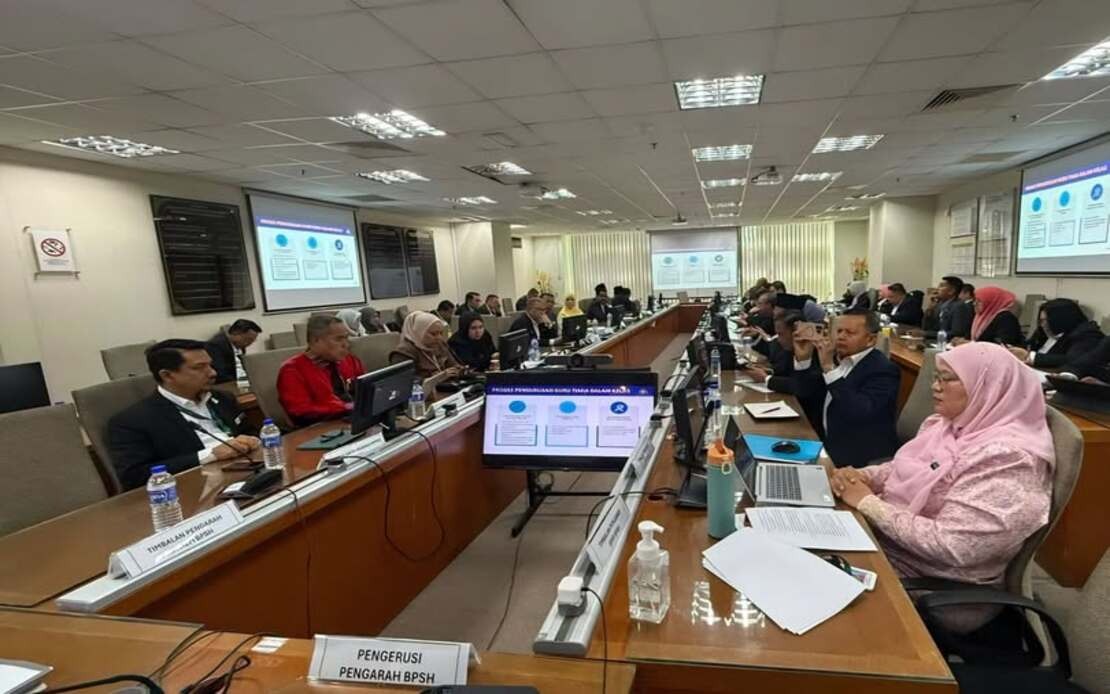
The Ministry of Education has recognised that implementation of the policy requires sustained engagement with the teaching profession to dispel misconceptions and build confidence. Fadhlina confirmed that briefing sessions have already commenced with key stakeholders including the National Union of the Teaching Profession (NUTP), the Human Rights Commission of Malaysia (SUHAKAM), the United Nations Children's Fund (UNICEF), and various non-governmental organisations working in child protection. These sessions serve not merely as informational forums but as dialogue platforms where educators can voice concerns and seek clarification on their specific roles and legal protections.
The policy architecture encompasses a multi-layered institutional structure extending well beyond schools. The Ministry of Education, State Education Departments (JPN), and District Education Offices (PPD) form the primary layer, while external agencies including the Royal Malaysia Police (PDRM) and Social Welfare Department (JKM) provide specialist intervention and investigation capacity. This networked approach mirrors successful child protection systems in comparable Southeast Asian economies, where educational institutions function as reporting nodes within a larger coordinated response mechanism rather than as standalone enforcement entities.
A critical aspect of Fadhlina's clarification concerns the treatment of reported cases. Once a report reaches school administrators, the matter transitions into a coordinated investigation process where trained personnel assess severity and nature before determining appropriate action. By channelling all reports through this structured pathway, the system aims to prevent fragmented responses that inadvertently expose children to repeated questioning and trauma. Such inconsistent handling—a documented problem in some jurisdictions—can compound victims' psychological harm and compromise investigative integrity.
Fadhlina explicitly addressed concerns about teacher accountability and legal exposure, assuring that the Ministry would extend legal support where warranted and that the policy explicitly rejects a blame-oriented culture. This commitment responds to genuine anxiety within the profession, where concerns have emerged that educators might face personal liability for reporting suspected abuse. By positioning teachers as mandatory reporters protected by institutional backing rather than as frontline investigators, the policy attempts to distinguish between accountability for reporting and responsibility for investigation.
The emphasis on ongoing education and clarification reflects recognition that policy documents alone cannot bridge the gap between legislative intent and practical implementation. Fadhlina acknowledged that single written guidelines, however comprehensive, leave interpretive questions unresolved. Sustained engagement sessions serve to build institutional understanding, help educators recognise warning signs specific to their school environment, and establish clear protocols for the critical moment when a teacher observes concerning indicators.
For Malaysian readers, this policy's practical implications extend beyond schools. The framework establishes child protection as a societal responsibility distributed across government bodies, educational institutions, and community organisations. Teachers, typically positioned as solitary gatekeepers in traditional models, now function within a support system where their role is precisely calibrated: observe, report, and cooperate with specialists rather than investigate or determine outcomes.
The timing of policy clarification also addresses growing teacher anxieties amid broader occupational stress. Malaysian educators have faced mounting pressure from curriculum demands, administrative burdens, and now concerns about personal legal exposure in child protection matters. By explicitly limiting teacher responsibility to reporting and cooperation, the government seeks to integrate child safety into existing professional obligations without requiring forensic or psychological expertise.
Internationally, Malaysia's approach aligns with contemporary child protection models emphasising collaborative systems over individual accountability. Countries including Australia, Singapore, and the United Kingdom have implemented similar frameworks recognising that child safety improves when institutions communicate effectively rather than operating in isolation. The policy's success ultimately depends on whether these coordination mechanisms function smoothly in practice and whether teachers genuinely feel supported rather than scrutinised.
Looking forward, the breadth of stakeholders involved—from NUTP to UNICEF—suggests the government recognises child protection requires legitimacy across professional, human rights, and international development communities. This multi-institutional approach helps insulate the policy from accusations of serving narrow interests while building consensus around shared protection standards. However, genuine effectiveness will only emerge once implementation cascades through school systems nationwide and teachers develop confidence in the support structures backing their reporting obligations.
The minister's assurance that legal assistance will be provided to teachers represents a concrete commitment distinguishing this policy from previous frameworks where educators navigated legal terrain independently. This protection mechanism, if faithfully implemented, could significantly reduce the chilling effect on reporting that typically emerges when professionals fear personal legal consequences for conscientious action.

