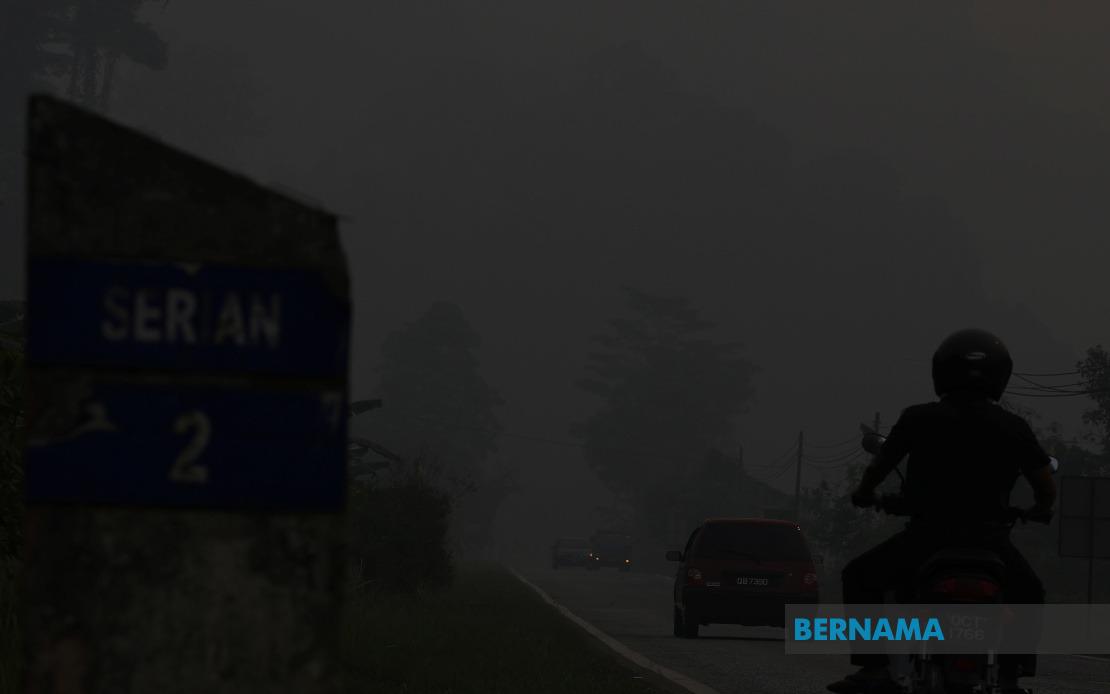
The Sarawak Disaster Management Committee (SDMC) has issued fresh guidance for event organisers across the state, urging them to carefully evaluate current air quality conditions and Air Pollutant Index (API) readings when deciding whether to proceed with planned activities. The advisory comes as air quality deteriorated sharply across multiple districts, prompting authorities to issue clear protocols for responsible decision-making by those organising public, private and community events.
Datak Amar Douglas Uggah Embas, who heads the SDMC and serves as Sarawak Deputy Premier, emphasised that while the responsibility for event decisions ultimately rests with individual organisers, they must base these choices on objective assessment of public health risks rather than other considerations. The SDMC has stopped short of issuing blanket prohibitions but instead advocates for a risk-based approach that weighs the vulnerability of participants against environmental conditions.
When the API climbs above 200, the committee strongly recommends that organisers abandon or relocate outdoor physical activities, sporting events and exercises that demand exertion. This threshold becomes particularly critical when participants include children, elderly persons or individuals with pre-existing health conditions—populations known to be disproportionately affected by air pollution exposure. The guidance reflects growing scientific consensus on the health impacts of sustained exposure to polluted air, especially during periods of physical activity when respiratory intake increases significantly.
Organsers facing air quality challenges have several options available under the SDMC's framework. Rather than simply cancelling events, they may consider shifting activities indoors where air filtration systems can provide some protection, modifying programmes to reduce physical exertion or postponing until conditions improve. This flexible approach recognises the significant investment and disruption associated with event cancellation while prioritising participant safety through adaptive management strategies.
The SDMC is actively coordinating with state and federal environmental agencies to maintain continuous surveillance of air quality across Sarawak. This inter-agency cooperation ensures that monitoring data flows through established disaster management protocols and triggers escalating responses as conditions worsen. The committee has embedded response thresholds within its operational framework, with API 500 serving as a critical trigger point.
Should pollution levels surge beyond 500—classified as hazardous—the operational guidelines specify that government and private sector offices, along with workplaces, must close except for essential services. Such closures, however, require formal declaration of a Disaster Emergency by the National Disaster Management Committee (NADMA), reflecting the gravity such conditions represent and ensuring appropriate coordination between federal and state authorities.
The advisory gained urgency following dramatic deterioration in air quality on the day of the announcement. By midday, several districts had already breached hazardous thresholds, with Serian District Police Headquarters recording the highest reading at 412 on the API scale, followed by Samarahan at 332 and Kuching at 304. These figures represent conditions that substantially restrict visibility and pose direct health risks to populations across those areas, particularly those engaging in outdoor pursuits.
Beyond the three worst-affected zones, numerous other Sarawak locations reported unhealthy air quality readings. Sarikei registered 197, Sibu 190, Bintulu 183, Mukah 176, Samalaju 175, Kapit 161, Miri 159 and the Miri Industrial Training Institute 156. While these readings fall below the hazardous threshold, they still represent air quality significantly degraded from normal standards and warrant caution, especially for vulnerable groups.
For Malaysian policymakers and event organisers, the Sarawak situation underscores the need for clear, actionable guidance during transboundary pollution episodes. The state's tiered approach—combining voluntary compliance at moderate pollution levels with mandatory closures at extreme levels—provides a practical model for balancing economic and social continuity against public health imperatives. Regional observers note that such frameworks become increasingly important as climate change patterns shift precipitation and extend haze seasons across Southeast Asia.
The SDMC's measured approach also reflects broader recognition that blanket event bans, while simple to implement, can generate backlash and compliance resistance if perceived as disproportionate to actual risk. By providing organisers with clear thresholds and encouraging informed decision-making, authorities foster a culture of environmental responsibility without heavy-handed mandates. This strategy depends, however, on organisers actually consulting API data and making decisions in good faith rather than proceeding regardless of conditions.
Beyond immediate event management, the haze episode highlights Sarawak's vulnerability to air quality fluctuations and the critical importance of maintaining robust environmental monitoring infrastructure. The Department of Environment's Air Pollutant Index Management System (APIMS) portal, which provided the readings triggering these discussions, represents essential public infrastructure for real-time environmental decision-making. Continued investment in such systems ensures that both authorities and citizens have access to reliable data for assessing risks.
For the broader Malaysian context, Sarawak's experience serves as a timely reminder that air quality crises respect no political boundaries and require proactive, coordinated responses across multiple levels of government. The SDMC's approach of providing guidance rather than imposing solutions reflects confidence in institutional capacity and public responsibility. As transboundary pollution continues affecting the region, such frameworks will prove increasingly valuable for maintaining social and economic function while protecting public health.

