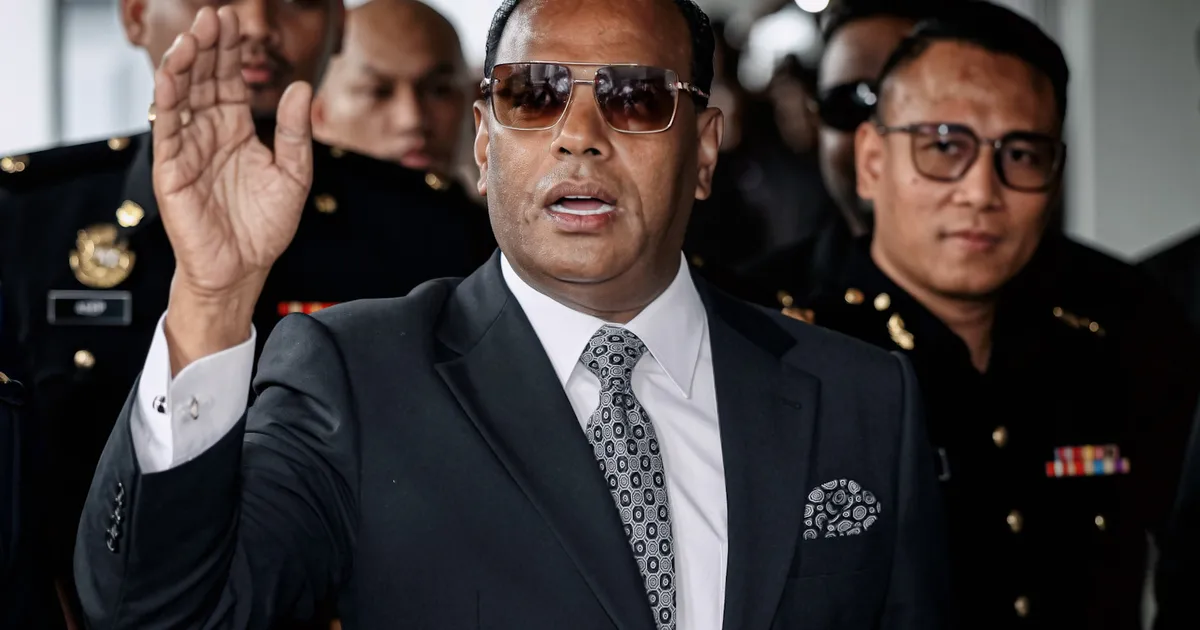
Former Human Resources Minister Saravanan has rejected insinuations that his correspondence with Prime Minister Anwar Ibrahim amounted to seeking preferential treatment or obstruction of justice, instead characterising his written appeal as a legitimate request for an impartial examination of allegations against him. The ex-minister's clarification comes as attention focuses on the nature and contents of his communication to the premier, with observers seeking to understand the distinction between a request for case review and potential interference in the judicial process.
Saravanan's position centres on a fundamental assertion: the corruption charges levelled against him lack credible foundation and therefore warrant independent scrutiny. By framing his letter as an appeal for thorough investigation rather than dismissal or suppression, he attempts to establish clear daylight between seeking justice and requesting obstruction. This distinction carries significant weight in Malaysia's political landscape, where perceptions of elite exemption from the law have long troubled public confidence in institutions.
The former minister's insistence that his communication pursued legitimate channels reflects broader questions about how political figures navigate the justice system when facing allegations. His characterisation suggests he was invoking the Prime Minister's authority not to interfere with proceedings but to ensure they occur with proper diligence and fairness. Whether such an interpretation resonates with observers depends heavily on the actual substance of the correspondence and the tone adopted in his approach to the highest political office.
Contextually, Saravanan's background as Human Resources Minister places him within Malaysia's executive hierarchy, a position that carries institutional weight and access to corridors of power. This proximity to authority makes both his actions and his explanations subject to heightened scrutiny, as the public remains sensitive to any appearance that government insiders enjoy preferential justice. The timing of his letter and the specific charges against him—typically involving abuse of position for personal gain—make his explanation particularly relevant to perceptions of governmental accountability.
The credibility question that Saravanan raises regarding the charges themselves becomes central to understanding his narrative. If the allegations truly lack merit, he argues, then a comprehensive review would vindicate him, and seeking such review represents a rational response rather than an improper appeal. However, critics might contend that someone genuinely confident in their innocence would allow due process to unfold without directorial intervention, particularly when that intervention involves the Prime Minister's office.
Malaysia's recent institutional trajectory has seen increasing emphasis on separating political leadership from judicial processes, a shift accelerated by previous administrations' perceived undermining of independent courts. Against this backdrop, any appearance of political figures seeking Prime Ministerial involvement in their legal matters invites comparisons to earlier periods when such arrangements were routine and tolerated. This historical context shapes how Saravanan's actions are interpreted within the broader narrative of whether Malaysia is genuinely moving toward strengthened rule of law.
The distinction Saravanan draws between seeking cover-up and requesting review hinges on demonstrating that his letter did not propose improper solutions or suggest dismissal of charges without proper hearing. If his communication indeed called for independent examination through established legal channels, the characterisation of his appeal as legitimate review-seeking gains traction. Conversely, if the letter contained language suggesting alternative arrangements or shortcut procedures, his current explanation would face significant credibility challenges.
For Prime Minister Anwar Ibrahim, the existence and handling of Saravanan's correspondence presents its own complications. How the Premier responded to the letter, whether he forwarded it to relevant authorities or shelved it, carries implications for perceptions of his government's commitment to institutional independence. Public disclosure of such correspondence and the Premier's response would provide transparency, yet political considerations may weigh against such revelation.
Regionally, Malaysia's approach to how senior political figures facing criminal allegations interact with governmental leadership influences perceptions across Southeast Asia regarding the strength of Malaysian institutions. Neighbouring countries and international observers monitor whether Malaysia's political elite successfully separate themselves from justice processes or whether older patterns of informal intervention persist beneath reformist rhetoric. Each case involving a prominent figure therefore carries significance beyond individual circumstances.
The broader implication of Saravanan's defence extends to how Malaysian society understands legitimate political discourse within the judicial context. Drawing clear boundaries between appropriate advocacy for fair treatment and improper attempts at obstruction becomes essential to maintaining public trust. His assertion that requesting thorough review differs fundamentally from requesting interference reflects an important principle, though translating principle into practice requires consistent demonstration across multiple cases and circumstances.
Moving forward, resolution of this situation would likely benefit from transparent disclosure of the letter's actual contents and the Premier's documented response, allowing observers to judge independently whether Saravanan's characterisation holds scrutiny. Until such transparency materialises, questions will persist regarding whether Malaysia has genuinely shifted its approach to political accountability or merely refined the terminology surrounding older arrangements. The case becomes emblematic of Malaysia's broader struggle to build institutions that operate demonstrably independent of political pressure, even when that pressure comes from those accustomed to wielding substantial influence.

