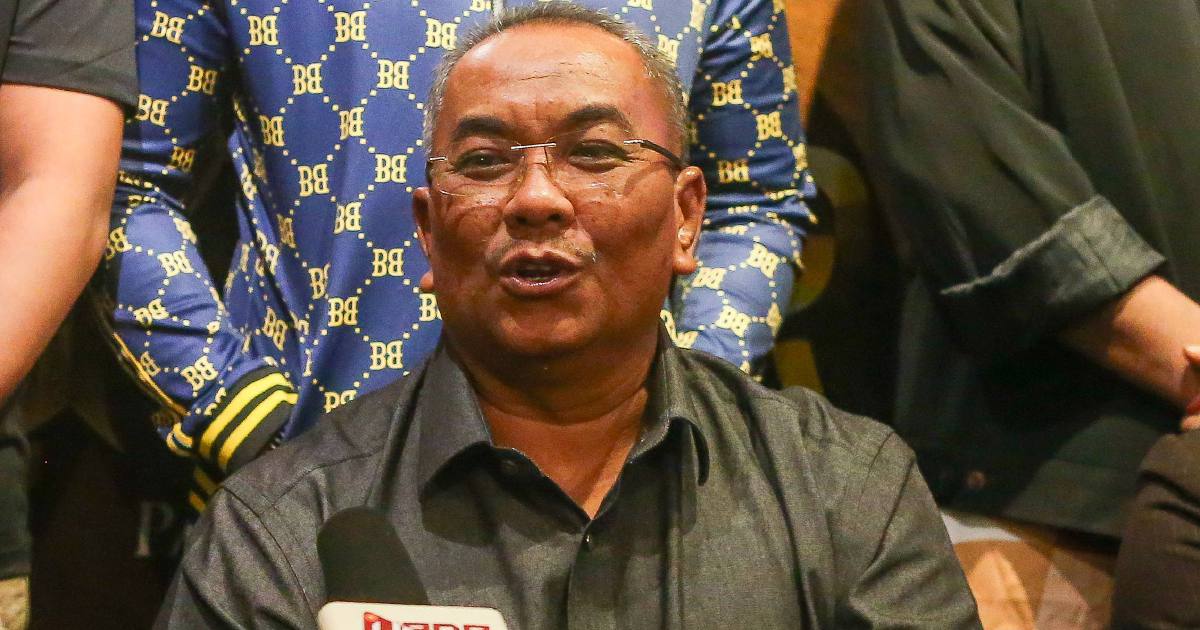
Kedah Menteri Besar Datuk Seri Muhammad Sanusi Md Nor has escalated a political dispute by issuing formal letters of demand to DAP deputy chairman Nga Kor Ming and two other individuals, alleging they distorted comments he made at a recent ceramah held in Negri Sembilan. The move reflects deepening tensions between the state's top administrator and the opposition Democratic Action Party, signalling a shift from public rhetoric to legal action in addressing the dispute.
The letters of demand represent a significant escalation in the disagreement, moving beyond the realm of political statements and into formal legal territory. Such correspondence typically demands clarification, retraction, or compensation for alleged defamatory statements or misrepresentations. The specificity of naming Nga Kor Ming, who holds a senior position within DAP as deputy chairman, suggests the issue has attracted sufficient political attention to warrant formal pursuit. The presence of two additional recipients indicates the matter may have involved broader circulation or amplification of the allegedly distorted remarks across multiple individuals or platforms.
For Malaysian political observers, this development highlights the increasingly litigious nature of inter-party disputes. Legal action through letters of demand has become a common mechanism for politicians to address what they view as unfair characterisation or misquotation. The tactic serves dual purposes: it provides a formal record of the complaint and can potentially deter future similar statements, while simultaneously keeping the dispute in public consciousness through media coverage of the legal proceedings.
The incident appears rooted in remarks Sanusi made during a political speech in Negri Sembilan, suggesting the Kedah leader was actively campaigning or addressing party supporters in the neighbouring state. This geographical dimension is noteworthy, as it indicates Sanusi's political reach and engagement beyond his home state administration. The alleged distortion of his comments suggests they were taken out of context, misinterpreted, or presented in a manner he believes misrepresented his original intent or meaning.
For Kedah specifically, this dispute occurs against the backdrop of the state's complex political landscape. Sanusi has been a prominent figure in Malaysian politics, known for his vocal positions on various national issues. His willingness to pursue legal action against opposition figures demonstrates a more assertive approach to defending his public statements and political reputation. The move may resonate differently across the state's varied constituencies, depending on their political alignment and views on such confrontational tactics.
The involvement of DAP and its deputy chairman adds a significant dimension to understanding contemporary Malaysian politics. DAP, as a component of the opposition coalition, has been actively engaging in public criticism and political discourse across the country. The allegation that party leaders, including someone in Nga's position, misrepresented Sanusi's words suggests heightened scrutiny and counter-scrutiny within opposition circles regarding public statements by government figures.
Regionally, this incident reflects broader patterns in Southeast Asian politics where legal instruments are increasingly deployed in political disputes. Malaysia has witnessed numerous instances where politicians resort to defamation suits or letters of demand to address perceived slights or misrepresentations. Such actions occupy a contested space between legitimate defence of reputation and potential intimidation of political opponents, with different stakeholders viewing them through different ideological lenses.
The practical implications of such letters of demand remain to be seen. Recipients typically have a defined period to respond, either by issuing retractions, clarifications, or defending their statements. The way Nga Kor Ming and the others respond will influence the trajectory of this dispute—whether it resolves through negotiation or escalates to formal legal proceedings. Public statements from the accused parties, if issued, will likely generate additional political discourse and media attention.
This development also carries implications for public discourse in Malaysia more broadly. When political figures pursue legal action over alleged misrepresentation, it can create a chilling effect on commentary and discussion. Conversely, supporters of such action argue it protects politicians from deliberate falsehoods and maintains standards of accuracy in public debate. The tension between these perspectives remains unresolved in Malaysian political culture and law.
For DAP and its leadership, defending against such demands requires careful navigation. The party has traditionally positioned itself as a champion of free speech and democratic discourse, making its handling of this situation particularly significant. How the party and Nga respond may influence perceptions of their commitment to democratic principles while also raising questions about responsibility in public statements.
Moving forward, interested observers should monitor both the formal legal response to these letters of demand and any public statements from the involved parties. The resolution of this particular dispute, whether through withdrawal of claims, negotiated settlement, or continued legal proceedings, will contribute to the evolving norms around political dispute resolution in Malaysia. It also underscores the ongoing tension between robust political criticism and legal protection of individual reputation in the country's democratic system.

