The Sabah state government has initiated legal proceedings worth over RM2 billion against internationally recognised audit firm Ernst & Young PLT in the Kuala Lumpur High Court, challenging what officials describe as failures in the firm's auditing responsibilities. The lawsuit, filed in early August, names the state government itself, Chief Minister Datuk Seri Hajiji Noor, Sabah Development Bank Berhad (SDB), and SDB Corporation Sdn Bhd as plaintiffs seeking redress for alleged professional negligence spanning more than a decade of financial audits.
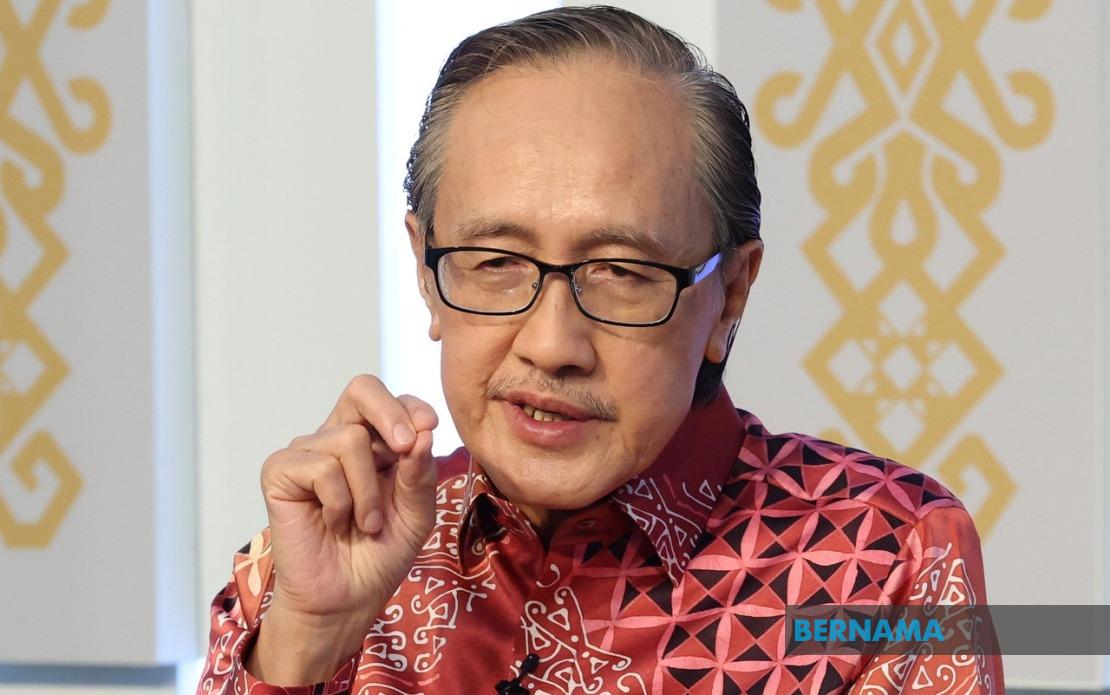
Deputy Chief Minister II and State Finance Minister Datuk Seri Masidi Manjun positioned the legal action as evidence of Sabah's dedication to rigorous financial governance and transparency in managing public resources. Speaking at a press conference to discuss the upcoming 2026 state-level National Day and Sabah Day celebrations, Masidi emphasised that the government's willingness to pursue the matter publicly underscores an institutional culture increasingly focused on accountability rather than allowing potential financial irregularities to pass unexamined.
At the heart of the dispute lies an assertion that Ernst & Young failed to exercise appropriate care and professional diligence when conducting statutory audits of SDB's financial statements between 2011 and 2022. The plaintiffs contend that this dereliction of duty prevented the discovery of the development bank's true financial circumstances at an earlier stage, thereby extending the period during which accounting irregularities or financial distress went undetected. Such lapses, the lawsuit implies, may have allowed problems within the state-controlled financial institution to compound without adequate disclosure or corrective intervention.
Sabah Development Bank, as a state-owned entity tasked with fostering economic development in the region, occupies a critical position in the state's financial architecture. Any audit failures affecting its oversight represent not merely private commercial disputes but matters directly touching on the stewardship of public funds and investment capacity. The bank's financial health influences lending patterns, development project viability, and ultimately the ability of the state to pursue its economic agenda across various sectors.
Masidi's public statements reveal a strategic communications approach designed to reframe what might otherwise appear as institutional failure into evidence of systemic strength. By explicitly addressing the lawsuit during media engagement and emphasising that the government "has nothing to hide," state officials project an image of confidence and procedural integrity. This framing suggests that rather than concealing financial problems, the administration actively pursues remedies through legitimate legal channels, thereby demonstrating institutional maturity and commitment to the rule of law.
The timeline of these audits—spanning from 2011 through 2022—encompasses a substantial period during which SDB would have undergone multiple auditing cycles and potentially experienced significant operational and financial changes. The length of this period raises questions about how prolonged audit failures might have affected stakeholder confidence, investment decisions, and the bank's capacity to attract funding or partners. For Malaysian readers, this case exemplifies the risks inherent in relying on external professional services without maintaining robust internal oversight mechanisms and independent verification systems.
From a governance perspective, Sabah's decision to pursue Ernst & Young in court rather than resolve the matter through settlement negotiations carries symbolic weight within Malaysia's corporate accountability landscape. Public litigation signals that the state refuses to accept professional shortcomings from internationally established firms, thereby setting expectations for audit quality standards across the region. This approach may influence how other state governments and entities evaluate their relationships with major auditing firms and the adequacy of audit scope and depth.
The case also highlights evolving standards around professional liability in Malaysia's financial sector. Ernst & Young's potential exposure to substantial damages would inevitably influence industry practices and insurance arrangements among major audit firms operating in Southeast Asia. The outcome could establish precedents regarding the extent of auditor responsibility when financial institutions experience undisclosed difficulties, potentially reshaping audit methodologies and documentation standards across the region.
Masidi's additional comment that the state government "has sued all creditors, regardless of who they are" suggests a broader pattern of enforcement activity within SDB's financial recovery or restructuring processes. This indicates that the lawsuit against Ernst & Young forms part of a comprehensive accountability strategy rather than an isolated dispute. The willingness to pursue creditors uniformly implies a systematic approach to recovering value and clarifying financial obligations, characteristics that observers may view as indicators of institutional renewal.
For Malaysian investors and residents monitoring Sabah's financial trajectory, this litigation represents an important signal about the state's commitment to resolving legacy issues and establishing clearer governance frameworks going forward. The public nature of the proceedings provides transparency that might otherwise remain obscured through confidential settlements or administrative adjustments. As Masidi indicated, the hope is that such visible commitment to accountability will gradually foster a stronger governance culture throughout Sabah's public sector institutions.
The court's eventual determination will likely have implications extending beyond the immediate parties involved. A judgment holding Ernst & Young significantly liable would validate the state's position and reinforce expectations for audit firm accountability. Conversely, any ruling favourable to the audit firm might necessitate that Sabah and other governments acknowledge limitations in holding international service providers answerable for professional failures, thereby influencing future contracting practices and risk allocation arrangements across the public and private sectors throughout Malaysia and the wider region.

