Nearly 7,000 young Sabahans have benefited from government-backed entrepreneurship support since 2022, receiving a combined RM21 million through the Sabah Youth Entrepreneur Scheme (SYABAS). The figures, revealed in the State Legislative Assembly, underscore the regional government's commitment to channelling capital and business support to younger generations seeking to establish viable enterprises across multiple economic sectors.
The scheme represents a significant policy initiative in an era when youth unemployment and underemployment remain persistent challenges across Malaysia. By targeting aspiring entrepreneurs directly with both financial assistance and structured mentorship, SYABAS addresses a critical gap in Malaysia's small business ecosystem: the difficulty young, unproven operators face in accessing startup capital through conventional banking channels. The RM21 million allocation—a substantial commitment by state standards—signals official recognition that youth-led enterprises are essential drivers of inclusive economic development, not merely social welfare beneficiaries.
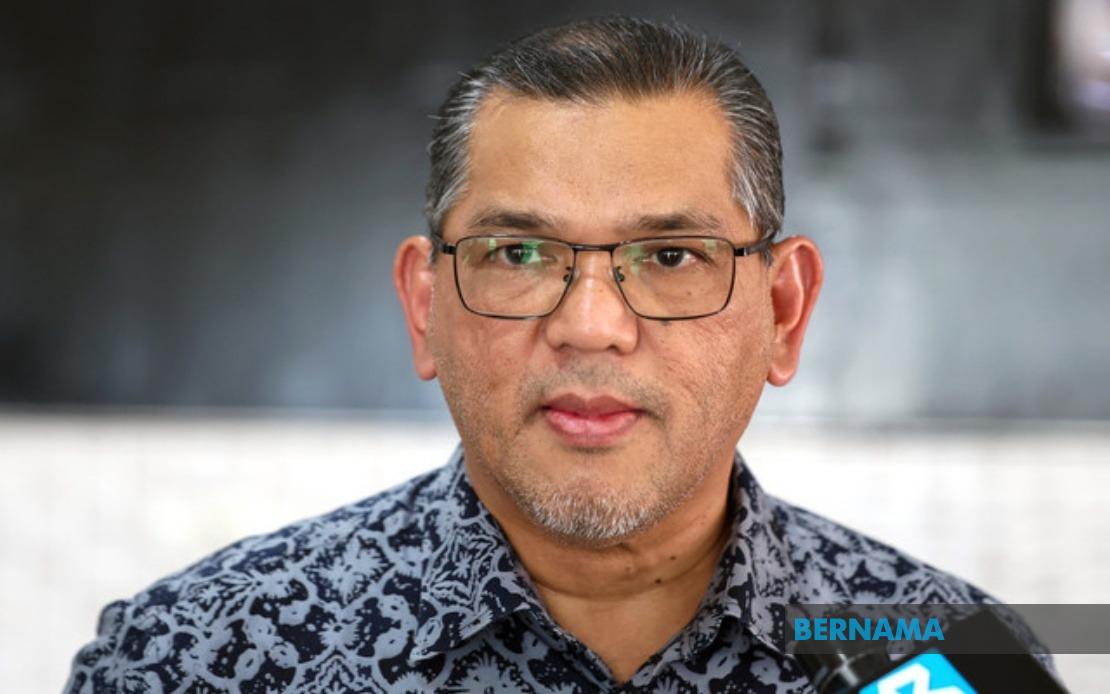
According to Datuk Nizam Abu Bakar Titingan, the Sabah minister responsible for youth, sports and the creative economy, SYABAS recipients have achieved measurable success beyond initial funding disbursement. Several funded entrepreneurs have scaled operations to generate seven-figure annual revenues, while others have penetrated international export markets. These outcomes matter because they demonstrate that access to startup capital, when paired with appropriate guidance, can unlock genuine commercial potential in Sabah's emerging business class. The names cited—including Amran Jining's hydroponic vegetable farming operation in Keningau, Erliana Said's artisanal bakery venture in Tawau, and Sitti Fatimah Janna's cosmetics production—illustrate the diversity of enterprises flourishing under the scheme, spanning agriculture, food production, and personal care manufacturing.
The ministry has structured SYABAS to extend far beyond simple grant distribution. Recipients benefit from ongoing coaching, business monitoring, and capacity-building services designed to improve survival rates and growth trajectories. This follow-up architecture is crucial: research across emerging markets consistently shows that entrepreneurship training and mentorship dramatically increase the likelihood of business survival beyond the critical three-year threshold. By embedding structured support into the scheme's design, SYABAS acknowledges that capital alone, without accompanying expertise and accountability mechanisms, frequently results in business failure and wasted public investment.
Cross-sector partnership has become central to the scheme's operational strategy. The ministry has forged formal collaborations with government agencies, training institutions, and private enterprises to broaden the range of skills training and employment opportunities available to young entrepreneurs. These partnerships span diverse sectors including tourism, agriculture, manufacturing, construction, logistics, aquaculture, fisheries, digital services, and creative industries. The breadth of this engagement suggests SYABAS is not confined to supporting any single economic pillar but rather functions as a catalyst for youth participation across Sabah's entire economic spectrum. Such diversification reduces systemic risk: if one sector experiences cyclical downturn, funded entrepreneurs in other domains continue generating income and employment.
Sabah's tourism development agenda intersects directly with youth entrepreneurship policy. The state government has declared 2027 a signature Visit Sabah Year, positioning tourism as a strategic platform for broad-based economic inclusion rather than merely attracting international arrivals. Dr Andi Md Shamsureezal Mohd Sainal, the assistant minister overseeing tourism and culture, explained that the initiative emphasizes building a comprehensive tourism value chain encompassing accommodation, transportation, food and beverage services, handicraft production, and community-based tourism offerings. This deliberate focus on value chain development ensures that tourism dollars benefit not only large hotels and transport operators but cascade downward to small producers, local artisans, and grassroots service providers.
The Visit Sabah Year 2027 campaign's four conceptual pillars—culture, adventure, nature, and sustainability—create natural integration points with SYABAS-funded enterprises. Young entrepreneurs in food production, handicraft manufacturing, hospitality services, and cultural experiences can position their offerings as tourism products, accessing visitor markets substantially larger than local populations alone could provide. Young guides, translators, activity coordinators, and cultural interpreters represent potential employment pathways for scheme participants seeking to participate in the tourism economy without requiring large capital investments. This alignment between youth entrepreneurship funding and tourism development strategy suggests integrated policy thinking rather than isolated sectoral initiatives.
The geographic specificity evident in available data merits attention. The assembly heard that 64 SYABAS recipients operate in the Nabawan state constituency alone, indicating relatively even distribution of scheme benefits across Sabah's political divisions. This geographic spread prevents the concentration of resources in urban centres, a common pitfall in entrepreneurship programmes where administrative convenience often leads to capital clustering in larger cities. Rural and semi-rural Sabah, where economic opportunities are traditionally more limited, benefit from targeted scheme deployment.
For Malaysian policymakers beyond Sabah's borders, the scheme offers lessons in youth economic participation. Malaysia's central government has launched various entrepreneurship initiatives, but state-level programmes like SYABAS demonstrate the potential of devolved implementation. State administrations possess superior understanding of local business ecosystems, supplier networks, and market conditions compared to centralised federal bodies. By allowing state governments autonomy in designing and executing youth entrepreneurship support, the federation can potentially achieve more contextually appropriate and effective outcomes than uniform national schemes.
The monitoring and database management components deserve recognition as governance innovations. By maintaining comprehensive records of all recipients and requiring follow-up reporting, SYABAS enables evidence-based evaluation of scheme effectiveness. This data-driven approach facilitates continuous programme refinement and allows state officials to measure employment creation, income generation, and business survival rates with precision. Such accountability mechanisms remain uncommon in Malaysian government programmes and represent best practice in public expenditure stewardship.
The success metrics highlighted—businesses generating millions in annual revenue, international market penetration, and multiplier employment creation—suggest SYABAS has evolved beyond symbolic gesture into genuine economic development instrument. However, the scheme's ultimate impact depends on whether outcomes reported represent typical recipient experience or exceptional cases selected for promotional purposes. Comprehensive impact evaluation data, tracking the median or mean outcomes across all 6,951 recipients, would provide clearer assessment of whether RM21 million represents well-deployed public investment or partially subsidised entrepreneurship with variable results.
Looking forward, the scheme's expansion and refinement warrant consideration. At approximately RM3,000 per recipient, average SYABAS allocations remain modest, sufficient for initial working capital but insufficient for capital-intensive ventures. Strategic decisions about whether to increase per-recipient allocations, broaden recipient numbers, or shift capital toward specific high-growth sectors will shape the programme's future contribution to Sabah's economic trajectory. The engagement sessions ongoing with industry players suggest the government recognises need for continuous programme evolution to remain responsive to market realities and emerging opportunities. For young Sabahans seeking economic independence and for policymakers evaluating youth development strategies regionally, SYABAS demonstrates that sustained, structured entrepreneurship support can produce measurable economic benefits when designed thoughtfully and implemented with genuine commitment to grassroots economic empowerment.

