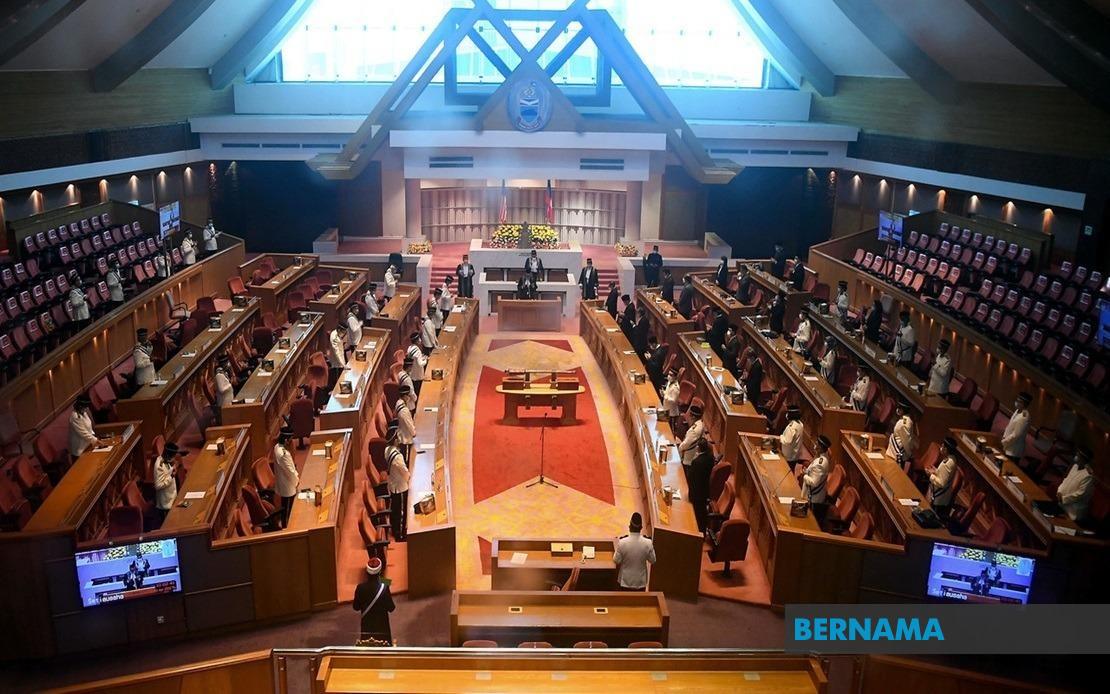
Sabah's water utility sector faces a substantial challenge that mirrors problems throughout Southeast Asia: the state's current non-revenue water rate of 59.6 per cent represents water lost to leaks, theft, and metering errors before reaching paying customers. This inefficiency, disclosed in the state legislative assembly, has prompted authorities to commit to reducing NRW to 45 per cent within the next six years—a goal that, while ambitious, reflects growing recognition that water security demands urgent infrastructure investment.
Assistant Minister of Works and Utilities Datuk Limus Jury outlined the comprehensive strategy guiding the Sabah Water Department's response during legislative proceedings. Rather than relying on a single intervention, the department has embraced a multi-faceted approach that addresses the root causes of water loss simultaneously. This bundled strategy reflects international best practices in water utility management, where success depends on tackling leakage, unauthorised connections, and measurement failures in concert rather than in isolation.
Central to Sabah's initiative is the replacement of ageing water distribution infrastructure. Critical pipeline sections throughout the state are being systematically upgraded to eliminate ruptures and seepage that contribute substantially to overall losses. Simultaneously, the department is targeting consumer meters, prioritising those exceeding seven years of age or showing signs of malfunction. Faulty meters represent a particular concern because they simultaneously allow actual water loss and create accounting discrepancies that obscure the true extent of non-revenue water. By replacing these instruments, the state improves both physical efficiency and data accuracy.
The detection and repair of leaks represents another cornerstone of the programme. By implementing proactive leak identification systems rather than responding reactively to reported problems, the department can address failures before they become widespread. Water pressure management further enhances this component—by maintaining optimal pressure levels across the distribution network, authorities reduce the mechanical stress that causes pipe deterioration and ruptures. This preventive approach proves more cost-effective than perpetually patching failing systems.
Unauthorised water connections constitute a hidden expense that sophisticated utilities often overlook. The Sabah Water Department has prioritised integrated operations designed to identify and eliminate illegal taps into the system. Such connections not only represent lost revenue but also undermine water security by creating uncertainty about actual demand and available supply. Addressing this problem requires coordination between multiple departments and sustained enforcement effort—a commitment the state has apparently made through its comprehensive NRW Programme.
The 13th Malaysia Plan provides the financial framework enabling this ambition. The federal government is funding initiatives spanning 18 districts statewide, while state resources support an additional 12 districts. This two-tiered funding approach ensures broader geographic coverage while distributing implementation responsibilities. However, the concentration of intensive rehabilitation projects in three major urban centres—Kota Kinabalu, Tawau, and Lahad Datu—suggests that authorities have prioritised where population density and existing infrastructure complexity create the greatest losses and the most immediate health and economic consequences.
The Kota Kinabalu initiative demonstrates the tangible targets underlying these plans. The project, launched in late September 2022, aims for completion by late September 2024 with an ambitious goal of reducing non-revenue water by ten million litres daily. For context, this volume represents the daily water needs of thousands of residents and illustrates the scale of losses that even smaller interventions can address. Success in Sabah's largest city could provide a template and boost confidence for rollout across less densely populated regions.
Tawau and Lahad Datu projects, launched in February 2024, follow longer timelines extending to February 2027. The Tawau initiative targets reduction of fourteen million litres daily, while Lahad Datu aims for ten million litres—figures that collectively demonstrate the geographic variation in loss patterns and the need for customised solutions. These three-year implementation periods reflect realistic expectations about the complexity of modifying established water systems and the logistical challenges of conducting major infrastructure work in areas where water demand remains constant throughout construction.
Sabah's challenge reflects broader Southeast Asian water management realities. Many regional systems experience NRW rates exceeding 50 per cent, often because infrastructure investment lagged behind rapid urbanisation and population growth. Countries throughout the region have begun recognising that water loss represents both an environmental and economic crisis—water wasted through leaks must be sourced and treated at significant environmental and financial cost. Moreover, as climate variability increases, the margin for inefficiency shrinks further.
The 45 per cent target by 2030 represents meaningful progress rather than complete resolution. International benchmarks suggest that mature, well-maintained systems achieve NRW rates between 10 and 15 per cent. However, reaching such standards in developing economies requires decades of sustained investment and systemic change. A reduction from 59.6 to 45 per cent positions Sabah more competitively among regional peers and demonstrates political will, though observers should recognise that further progress beyond 2030 will demand continued commitment and funding.
Implementation success depends on factors extending beyond technical specifications. The department must sustain enforcement against illegal connections, ensure consumer meter replacement proceeds on schedule, and maintain pipeline replacement momentum through political cycles and competing budgetary pressures. Public cooperation matters equally—consumers must report leaks promptly and accept temporary service disruptions during repair and replacement work. Without community understanding and buy-in, even well-designed programmes struggle to achieve intended outcomes.
The initiative carries implications for Malaysian water security more broadly. As climate impacts increasingly stress water availability across the region, reducing losses takes on heightened urgency. Sabah's programme, if successful, may provide lessons applicable to Peninsular Malaysia and other states facing similar challenges. The three-to-five-year timelines for visible results also mean that assessments of this initiative's effectiveness should emerge within the current decade, offering evidence about whether ambitious NRW reduction targets prove achievable in the Southeast Asian context.

