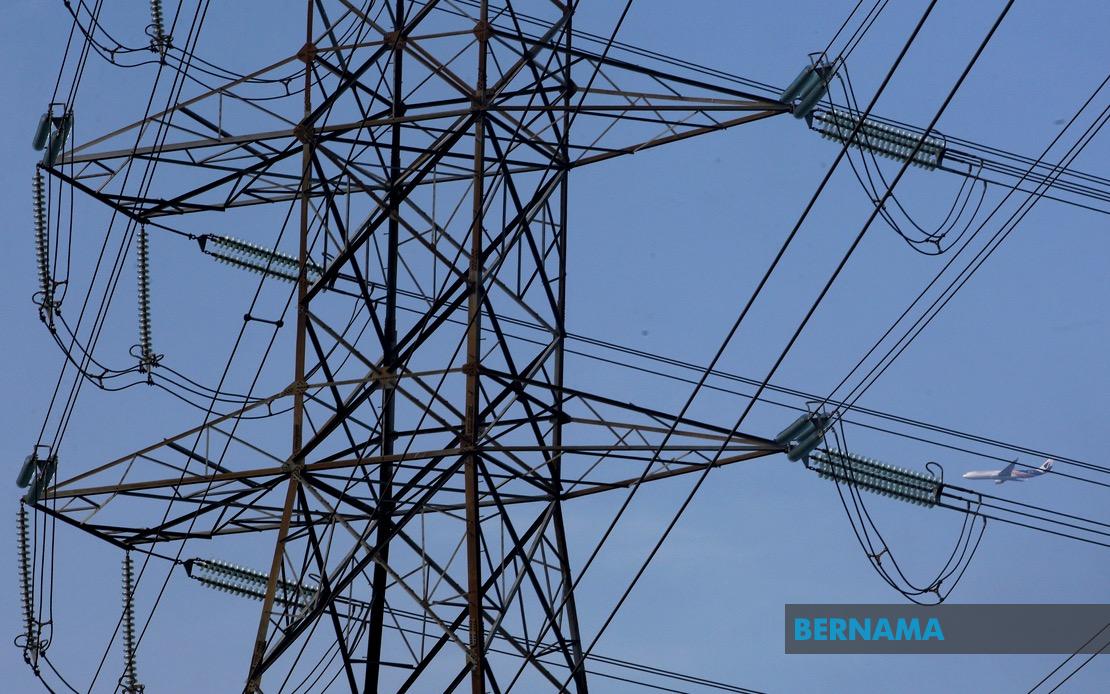
Sabah Electricity has activated emergency load management procedures across multiple zones throughout the state, responding to a critical shortage in gas deliveries to several major generation facilities. The utility company confirmed on June 29 that the supply interruption has significantly constrained available generating capacity, forcing the operator to institute controlled outages to prevent a complete system collapse and widespread blackouts across the Sabah Grid.
The core issue centres on the reserve margin—the buffer between maximum demand and available generation that safeguards grid stability. When this margin shrinks, the electrical system becomes vulnerable to cascading failures. By implementing scheduled rationing during peak demand periods, Sabah Electricity aims to maintain that critical cushion and prevent uncontrolled blackouts that would affect hospitals, water treatment facilities, and other essential services. The utility has characterised this intervention as essential to protecting overall system reliability rather than merely managing convenience.
The gas supply problem represents a significant infrastructure vulnerability for Sabah's power sector. Multiple thermal power plants in the state depend heavily on natural gas as their primary fuel source, making them susceptible to disruptions in the supply chain. This incident underscores the state's energy infrastructure challenges and raises questions about diversification of fuel sources and the resilience of supply contracts. For Malaysian consumers, this reflects broader energy security concerns across the peninsula and East Malaysia, where dependency on natural gas for electricity generation creates systemic risks.
Sabah Electricity has committed to restoring full generation capacity as rapidly as possible, coordinating with gas suppliers and other stakeholders to resolve the disruption. The company's statement emphasises that load management remains a temporary expedient rather than a permanent solution. However, the timeframe for resolution remains unclear, and customers should prepare for potential disruptions extending across multiple days or weeks depending on the complexity of addressing the underlying gas supply failure.
Affected consumers will receive location-specific information through the utility's official channels, primarily the Sabah Electricity Careline Facebook page and the dedicated hotline at 15444. This dual-channel approach reflects the company's recognition that not all residents access social media equally, particularly elderly customers or those in less-connected areas. Residents are strongly urged to monitor only verified official sources rather than relying on rumour or unconfirmed reports circulating through messaging applications, which could lead to unnecessary panic or misinformed decisions about electricity usage.
The announcement carries particular significance for businesses and manufacturing facilities across Sabah, many of which operate on tight production schedules and cannot easily accommodate unplanned shutdowns. The tourism and hospitality sectors may also face challenges, as hotels and restaurants require continuous power for refrigeration, air conditioning, and guest services. Industrial operations dependent on consistent electricity supply could face production delays or quality issues, potentially affecting export commitments and competitiveness. Small and medium enterprises, which form the backbone of Sabah's economy, may suffer disproportionate impacts from unpredictable outages.
This situation also highlights the importance of energy planning and infrastructure investment at the state level. Sabah's growing population and economic development have increased electricity demand substantially over the past decade, yet generation capacity has not kept pace proportionally. The state relies heavily on imported energy resources and lacks the diversified generation portfolio that other Malaysian states have developed through renewable energy projects and alternative fuel sources. For Southeast Asia more broadly, the incident demonstrates how supply chain vulnerabilities in one sector can rapidly cascade into broader economic disruption.
Consumers are advised to adjust their usage patterns during peak hours, minimise discretionary energy consumption, and ensure essential appliances are in good working order. Businesses should review their backup power arrangements and consider whether temporary energy conservation measures might cushion against scheduled outages. The company's call for patience reflects the reality that rapid resolution of gas supply disruptions often depends on factors beyond the utility's direct control, including supplier logistics, regulatory approvals, and infrastructure repair timelines.
The rationing episode also serves as a reminder of the infrastructure challenges facing Malaysian utilities more broadly. Ageing power plants, transmission losses, and maintenance backlogs compound the difficulties created by supply-side shocks. For Sabah particularly, geographic isolation and the smaller market size make capital investments in new generation capacity or renewable energy infrastructure proportionally more expensive than on Peninsular Malaysia, yet the state's economic growth and development aspirations demand reliable power supplies.
Looking forward, this disruption may catalyse broader discussions about Sabah's energy future. Policymakers and industry stakeholders will likely consider whether greater investment in renewable energy sources—solar, wind, and hydroelectric potential—could reduce vulnerability to gas supply shocks. However, such transitions require significant upfront capital, technological infrastructure, and policy coordination that extend beyond the immediate crisis response. For now, residents and businesses must navigate the temporary rationing period while hoping for swift resolution of the underlying gas supply problem.

