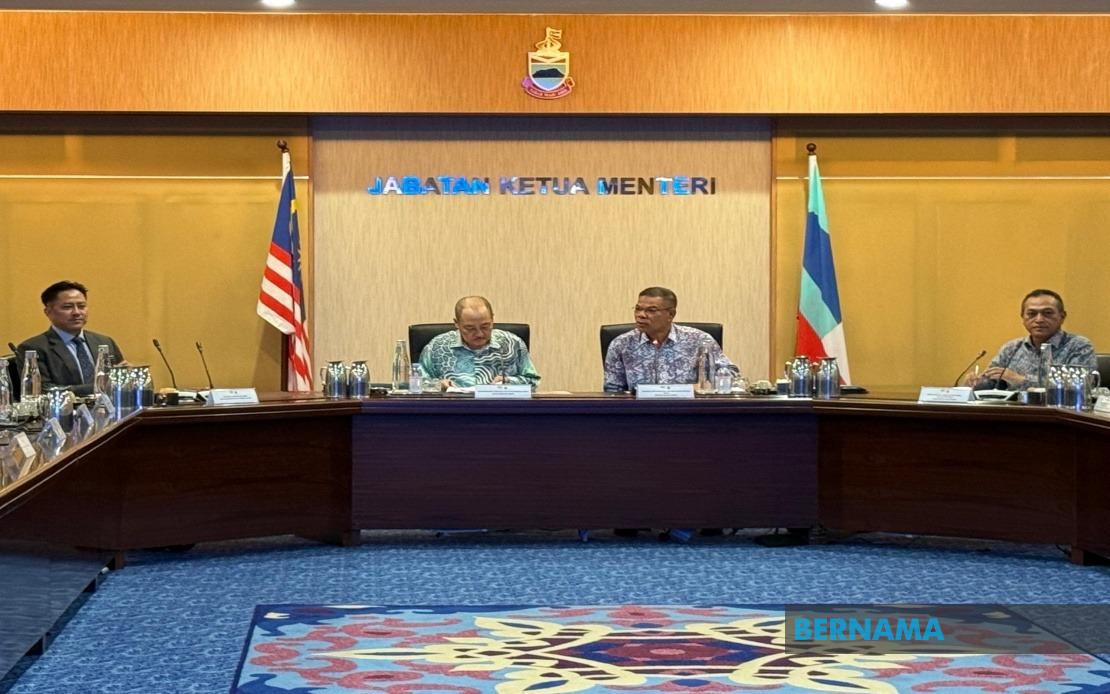
Sabah's Chief Minister Datuk Seri Hajiji Noor has launched a coordinated diplomatic initiative aimed at persuading foreign embassies and high commissions to reassess and lower their travel advisories for the eastern region of the state. Speaking after co-chairing a high-level security meeting in Kota Kinabalu on August 6, Hajiji underscored that sustained engagement with diplomatic missions is crucial to reversing longstanding perceptions that have deterred international tourism from the state's coastal destinations. The appeal reflects growing confidence among Malaysian leadership that concrete security achievements now warrant a recalibration of foreign government travel guidance.
The Chief Minister's appeal carries particular weight given the tangible security metrics underpinning his case. Eastern Sabah has maintained a zero-kidnapping record spanning the past six years, a milestone that stands in stark contrast to the region's troubled history of maritime-related abductions that once dominated regional headlines. This absence of kidnap-for-ransom incidents since January 2020 represents a fundamental shift in the security landscape, yet international travel advisories have not kept pace with ground-level improvements. Hajiji emphasised that foreign embassies must be shown concrete evidence of these developments to justify policy recalibration, suggesting that diplomatic communication has lagged behind operational success.
The push for diplomatic reassessment reflects broader economic considerations underpinning Sabah's development agenda. Tourism represents a critical pillar of economic diversification for the state, and restrictive travel advisories function as invisible barriers that keep potential visitors away regardless of actual risk assessments. The psychological impact of elevated travel warnings extends beyond individual tourists to discourage airline operators, tour operators, and investors from committing resources to the region. By securing lower advisories, Sabah aims to unlock latent demand and position its east coast islands and communities as viable tourism destinations within the broader Southeast Asian tourism ecosystem.
The security improvements cited by Hajiji are anchored in institutional strengthening and inter-agency coordination. The Eastern Sabah Security Command (ESSCOM), established to coordinate maritime security operations across the region, has emerged as the primary instrument through which this transformation has been achieved. Working in concert with the Royal Malaysia Police, Malaysian Armed Forces, and Malaysian Maritime Enforcement Agency, ESSCOM has implemented layered security protocols covering both maritime approaches and terrestrial borders. The Chief Minister recently conducted field inspections of six islands within Sabah territorial waters to verify security post functionality and operational readiness, a gesture designed to demonstrate hands-on oversight of frontier security.
Hajiji's call for diplomatic engagement occurred during a joint committee meeting with Home Minister Datuk Seri Saifuddin Nasution Ismail, underscoring the alignment between state and federal governments on maritime security strategy. This coordination represents a departure from earlier periods when federal and state authorities operated with less cohesion on regional security matters. The presence of ESSCOM Commander Datuk Victor Sanjos and ESSCOM Chief Executive Officer Datuk Dr Jamaluddin Mohd Ali at the meeting signals that operational-level perspectives are being integrated into policy-level discussions, potentially yielding more grounded and realistic diplomatic messaging to foreign missions.
The effort to lower travel advisories carries implications extending beyond tourism revenue. Malaysia's international image and standing as a reliable destination for business, investment, and leisure travel influences perceptions across the entire nation, not merely individual states. Elevated travel warnings for any region create spillover effects that colour international attitudes toward Malaysia generally, potentially affecting foreign direct investment, expatriate recruitment, and diplomatic relationships. By successfully repositioning Eastern Sabah's security profile internationally, the state could contribute to rehabilitating Malaysia's broader tourism and investment reputation in what remains a strategically important region.
Foreign embassies and high commissions base travel advisory determinations on multiple factors beyond statistical crime data, including perceived governance capacity, institutional reliability, and communication clarity from local authorities. The diplomatic initiative outlined by Hajiji must therefore address not merely the facts of security improvement but also the credibility and transparency through which those facts are communicated. Regular briefings, data sharing arrangements, and invitations for diplomatic missions to conduct firsthand assessments could accelerate advisory revisions by reducing information asymmetry and building personal relationships between Sabah officials and embassy personnel responsible for security assessments.
The six-year kidnapping record merits contextualisation within regional maritime security dynamics. Piracy and maritime banditry in the southern Philippines, which historically spilled across maritime boundaries into Sabah, has declined in recent years owing to intensified operations by multiple regional and international actors. However, the risk landscape remains volatile, and security gains can prove fragile absent sustained operational commitment. Foreign embassies are understandably cautious about advisory downgrades that might later require embarrassing reversals should security incidents recur. Hajiji's diplomatic initiative must therefore address the durability and resilience of current security improvements, demonstrating that gains are institutionally embedded rather than dependent on temporary operational surges.
The involvement of the Home Ministry in this diplomatic push adds institutional weight and suggests that federal authorities are prepared to coordinate messaging with embassies at the national level. Datuk Seri Saifuddin Nasution Ismail's co-chairmanship of the security meeting sends a signal that embassy engagement will occur at appropriate seniority levels, potentially accelerating decision-making timelines. This vertical integration of diplomatic efforts across state and federal levels represents an evolution in Malaysia's approach to managing international perceptions of regional security, replacing ad-hoc communication with systematic, coordinated messaging anchored in verified data.
The diplomatic initiative also reflects lessons learned from tourism crises in other Southeast Asian destinations. Following security incidents or perception shifts, prolonged advisory periods have hobbled economic recovery and created self-reinforcing cycles where depressed visitor numbers persist even after conditions have stabilised. By taking proactive steps to engage foreign missions before crises occur and to systematically communicate improvements, Sabah is attempting to establish more agile and responsive advisory frameworks. Success in this endeavour could establish a model that other states and regions might adopt when managing international security perceptions and their economic consequences.
Implementation challenges remain significant. Foreign embassies operate under standardised assessment frameworks and formal policy processes that may resist ad-hoc communications from individual state governments. Some embassies may require formal government-to-government diplomatic channels rather than direct state-level engagement. Additionally, embassies typically maintain conservative advisory postures to minimise liability exposure, creating institutional bias toward caution. Overcoming these obstacles will require sustained diplomatic effort, patience, and possibly intervention from Malaysia's Foreign Ministry to ensure that Sabah's security achievements receive appropriate consideration within international advisory determination frameworks.

