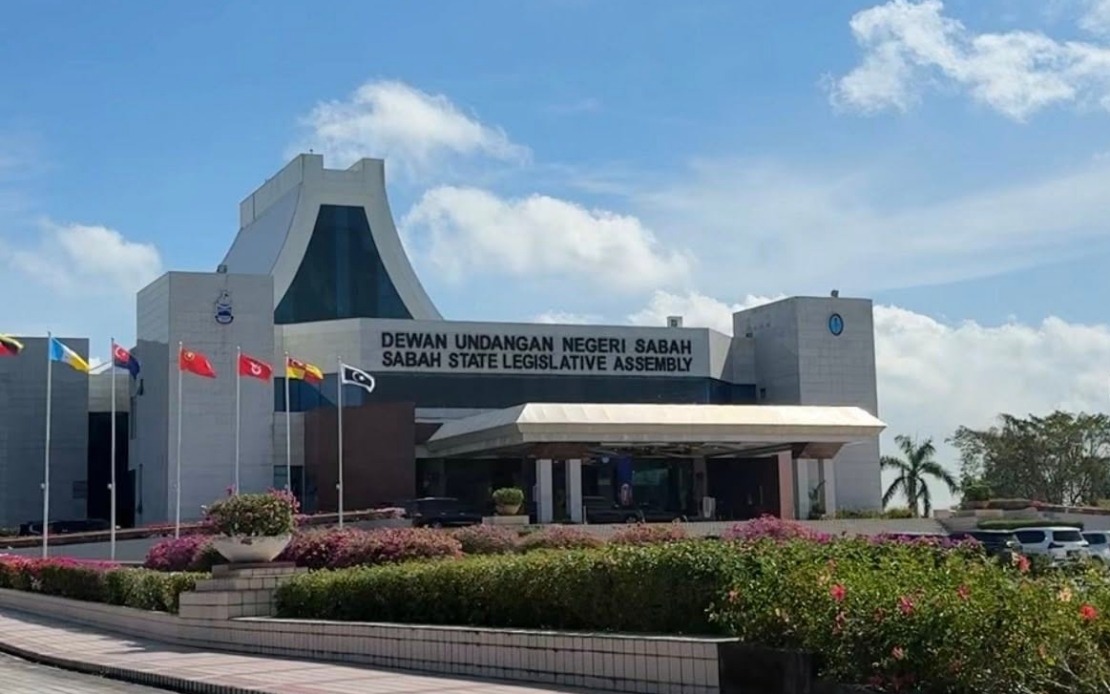
The Sabah State Legislative Assembly has given the go-ahead to a RM1.61 billion supplementary supply bill for 2026, marking a significant injection of additional resources into the state's fiscal framework. The measure passed on July 21 after deliberation involving 42 assemblymen, underscoring the broad parliamentary engagement required for such substantial budget amendments in Malaysia's largest state east of the Peninsular region.
Deputy Chief Minister II and State Finance Minister Datuk Seri Masidi Manjun had tabled the bill the previous day, positioning it as a critical response to unforeseen expenditure demands and priority areas emerging throughout the financial year. The voice vote approval, conducted under the supervision of Sabah State Legislative Assembly Deputy Speaker Datuk Al Hambra Tun Juhar, proceeded without recorded divisions, suggesting minimal legislative resistance to the allocation framework.
The RM1.61 billion package encompasses six distinct spending categories, each addressing different operational and developmental needs within Sabah's governmental structure. The largest component—RM856 million—goes toward statutory fund contributions, a category that typically covers mandatory obligations such as pensions, debt servicing, and other legally mandated expenditures that governments must fulfil regardless of budgetary constraints. This allocation reflects the government's commitment to honouring long-term financial commitments and maintaining fiscal stability despite evolving circumstances.
Operating expenditure claims the second-largest share at RM278 million, resources required to maintain the day-to-day functioning of state government agencies, from salaries and utilities to vehicle maintenance and office supplies. Such recurring costs form the backbone of any administration's ability to deliver public services across diverse portfolios including health, education, infrastructure, and security. For Sabah, a sprawling state with significant geographical distances between administrative centres, these operational costs carry particular weight.
Development expenditure receives RM210 million under the supplementary bill, funding directed toward capital projects and infrastructure improvements that promise long-term economic and social returns. This category includes construction of new facilities, upgrades to existing infrastructure, and investments in productive capacity—the building blocks of sustainable economic growth that become especially crucial in states seeking to diversify their economic bases beyond traditional sectors.
Administrative expenditure accounts for RM162 million of the supplementary allocation, encompassing costs directly related to government operations such as office administration, governance structures, and management systems. The state government has carved out this dedicated amount to ensure administrative machinery continues running efficiently despite budgetary pressures, a decision reflecting recognition that effective governance infrastructure requires consistent investment.
State grants totalling RM93 million represent transfers to various organisations and entities that depend on government support, potentially including local authorities, statutory bodies, and community organisations performing public functions. This portion of the supplementary budget demonstrates the state's commitment to supporting the broader ecosystem of institutions that contribute to Sabah's development trajectory. Special allocations of RM13 million complete the package, flexible funds likely reserved for unforeseen needs or priority interventions that may emerge during the remainder of the financial year.
The supplementary supply bill represents a flexibility mechanism within Malaysia's parliamentary budget system, allowing governments to respond to changed circumstances without waiting for the formal budget cycle. Given Sabah's status as a large state with diverse economic sectors, from agriculture and fisheries to manufacturing and services, such supplementary allocations help address sector-specific challenges and emerging opportunities. The scale of this particular supplement—representing a material addition to planned spending—suggests Sabah's government identified substantial priorities not fully anticipated during initial budget preparation.
For Malaysian observers and policymakers, Sabah's spending patterns carry broader significance. As one of two Malaysian states on Borneo island, Sabah's fiscal management influences regional development trajectories and sets benchmarks for how resource-rich states balance competing priorities. The emphasis on statutory contributions and operating expenditure, relative to development spending, reflects constraints faced by many Malaysian states in maintaining existing services while pursuing growth initiatives—a tension central to fiscal policy discussions nationwide.
The assembly's resumption of sittings the following day indicated an active legislative calendar, with additional matters likely awaiting parliamentary consideration. This continued engagement reflects Sabah's parliament remaining seized with multiple governance concerns beyond the supplementary budget, from policy review to oversight functions. The passage of this bill without apparent controversy, despite involving 42 participating assemblymen, suggests relative consensus within the state legislature on the government's fiscal priorities and spending allocations for the period ahead.

